I'm a participant in the Amazon Services LLC Associates Program, an affiliate advertising program designed to provide a means for me to earn fees by linking to Amazon.com and affiliated sites.
If you’ve seen microcurrent before-and-after videos, it is easy to wonder if these little facial devices are actually doing something or if they are just another expensive skincare gadget.
The honest answer is: yes, microcurrent devices can work, but the results are usually subtle, temporary, and maintenance-based.
A good at-home microcurrent device may help your face look a little more lifted, toned, depuffed, and sculpted. It may make your jawline look sharper before an event or your cheeks look slightly more awake. But it will not replace Botox, filler, lasers, radiofrequency treatments, surgery, or a good skincare routine.
The best way to think about microcurrent is this:
Microcurrent is not a facelift. It is more like a facial workout.
It can help if you use it consistently. It can give a temporary lifted look. It may support better-looking tone over time. But if you stop using it, the results usually fade.
Feature | |||
|---|---|---|---|
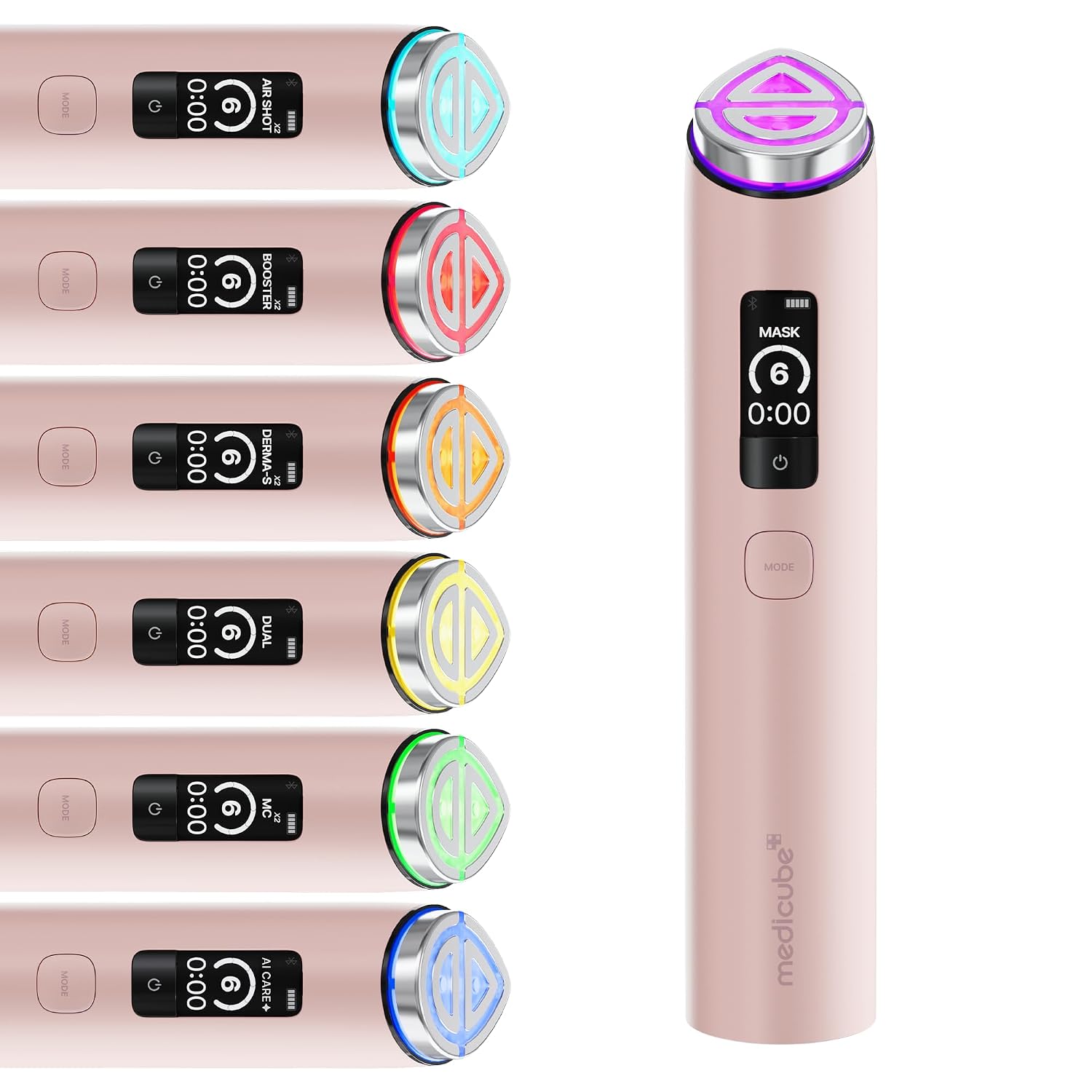 | 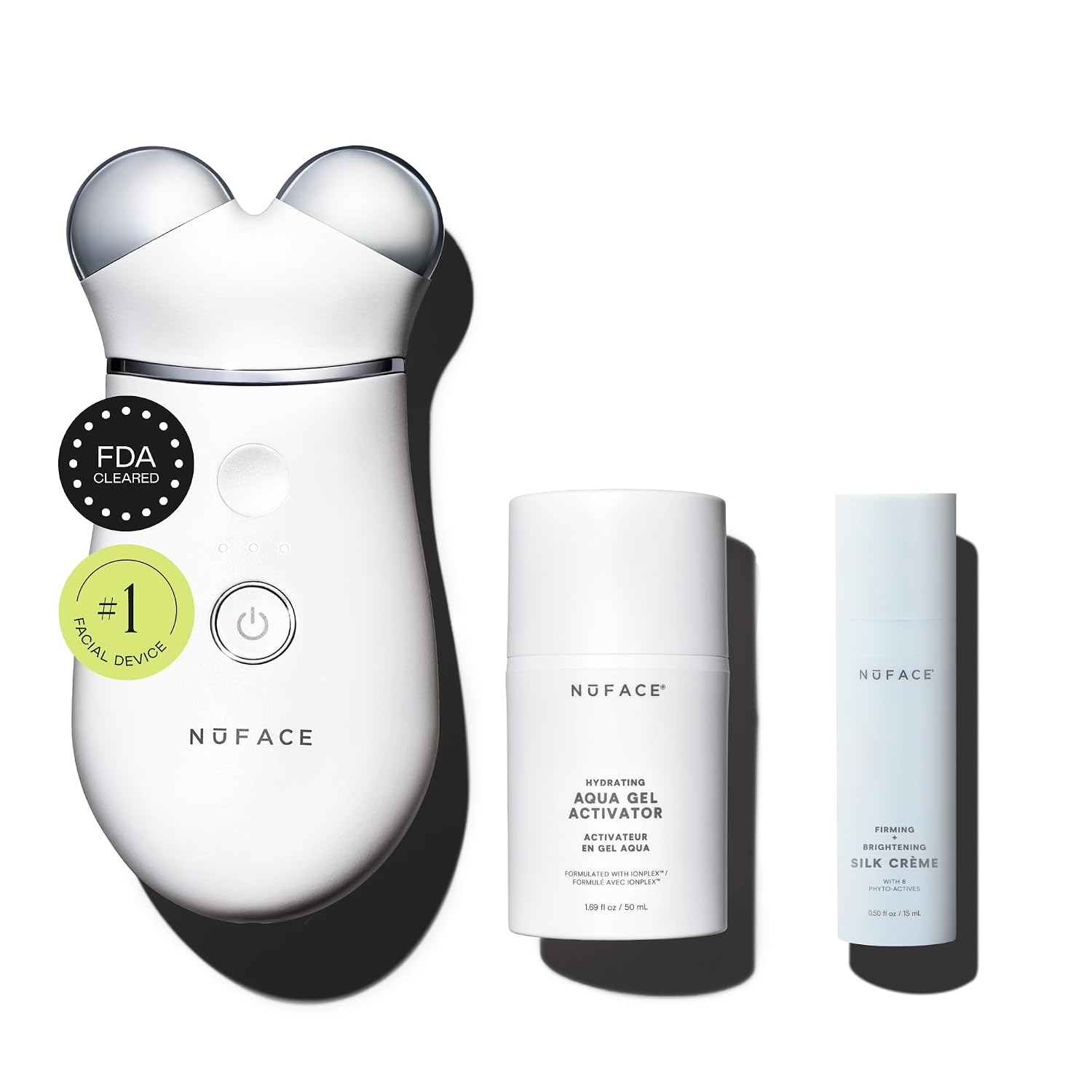 | 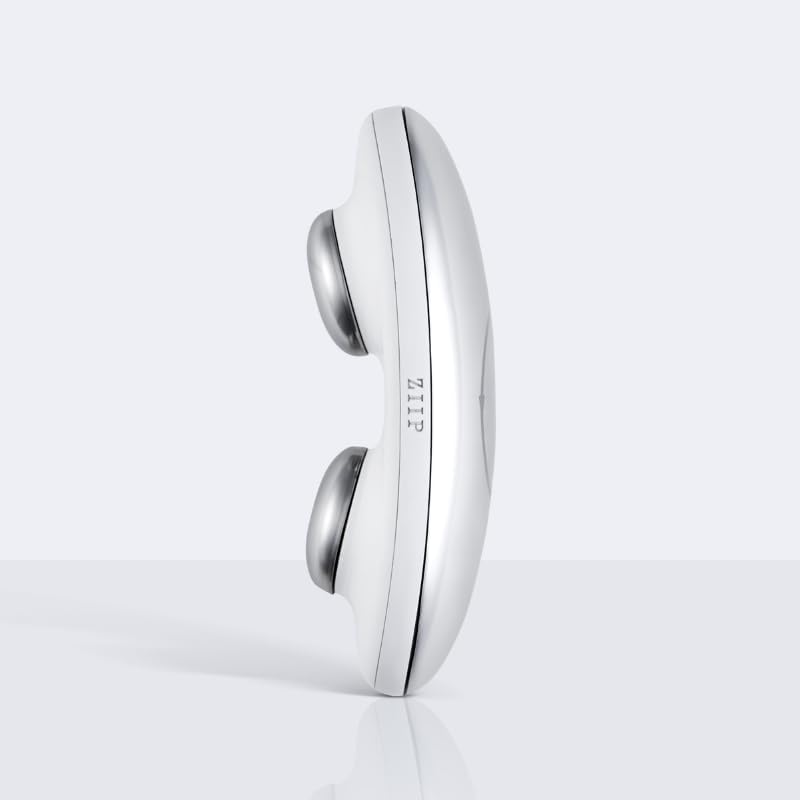 | |
Best for | Glow, absorption, pores, texture, multi-use routine | Lifting, toning, facial contour | App-guided treatments, microcurrent + nanocurrent |
Main technology | Booster mode, MC mode, Derma Shot, Air Shot, sonic vibration, LED | Microcurrent with customizable frequencies and intensities | Microcurrent and nanocurrent |
Conductive gel required? | No special gel required; used with skincare | Yes, use with NuFACE activator/conductive product | Yes, use with conductive ZIIP gel |
App support | AGE-R app | NuFACE app ecosystem | ZIIP app is central to the experience |
Best routine length | 5–10 minutes depending on mode | About 5 minutes for basic use | 4-minute facial or app-guided programs |
Biggest advantage | Most features for the money | Simplest “lift and sculpt” choice | Most customized guided experience |
Biggest drawback | More modes can feel confusing | Less versatile unless you buy attachments | Gel/app routine may feel like more commitment |
Price |  | | |
Quick Verdict: Do Microcurrent Devices Work?
Microcurrent devices are worth it if you want:
- A subtle lifted look
- Mild facial toning
- Less puffiness
- A more sculpted jawline or cheek area
- A fresher look before events
- A noninvasive at-home beauty tool
- A device you are willing to use several times per week
Microcurrent devices are not worth it if you want:
- Dramatic tightening
- A permanent lift
- Deep wrinkle correction
- Major jowl improvement
- Facelift-level results
- Results without consistency
- A device you can use once in a while and still see major changes
So, do microcurrent devices actually work?
Yes, but only within realistic limits. They are best for subtle lifting, facial tone, and temporary sculpting—not major anti-aging correction.
What Is Microcurrent?
Microcurrent is a low-level electrical current used in facial devices and professional treatments. At-home microcurrent tools send tiny electrical currents through the skin with the goal of stimulating the skin and facial muscles.
Medical News Today explains that microcurrent facials use small electrical signals to stimulate the muscles and skin of the face, with the goal of improving appearance. It also notes that some people report immediate results, including tighter-looking skin and a more sculpted appearance, while the scientific evidence for long-term cosmetic results is still limited.
That last part matters. Microcurrent is not complete nonsense, but it is also not magic. The most responsible way to look at it is somewhere in the middle.
It can make a visible difference for some people, especially with consistent use, but it should not be treated like a medical procedure in a handheld device.
What Results Can You Realistically Expect at Home?
The most realistic at-home microcurrent results are:
- A slightly lifted look
- Mild facial sculpting
- Less puffiness
- A more awake appearance
- Temporary jawline definition
- Subtle cheek and brow lift
- Skin that looks a little fresher after use
The key word is subtle.
You may see a difference, especially in photos or right after treatment, but most people should not expect a dramatic transformation. A dermatologist quoted in The Daily Beast described NuFACE as a classic at-home microcurrent device that can help tone facial muscles and give a subtle lift when used consistently. The same article also warns that microcurrent devices offer temporary improvement and are better thought of as a quick facial workout than a facelift.
That is probably the best expectation to have.
Microcurrent can make you look a little more lifted. It cannot restructure your face.
Feature | |||
|---|---|---|---|
| | | |
Best for | Glow, absorption, pores, texture, multi-use routine | Lifting, toning, facial contour | App-guided treatments, microcurrent + nanocurrent |
Main technology | Booster mode, MC mode, Derma Shot, Air Shot, sonic vibration, LED | Microcurrent with customizable frequencies and intensities | Microcurrent and nanocurrent |
Conductive gel required? | No special gel required; used with skincare | Yes, use with NuFACE activator/conductive product | Yes, use with conductive ZIIP gel |
App support | AGE-R app | NuFACE app ecosystem | ZIIP app is central to the experience |
Best routine length | 5–10 minutes depending on mode | About 5 minutes for basic use | 4-minute facial or app-guided programs |
Biggest advantage | Most features for the money | Simplest “lift and sculpt” choice | Most customized guided experience |
Biggest drawback | More modes can feel confusing | Less versatile unless you buy attachments | Gel/app routine may feel like more commitment |
Price | | | |
What Happens After One Use?
After one use, the most common visible result is a temporary lifted or depuffed look.
This is why microcurrent is popular before events. If your face looks tired, puffy, or a little soft around the jawline, a microcurrent session may make your face look slightly more awake and defined.
The result can be nice, but it is usually not permanent.
Think of it like doing your hair. You can style your hair and see a difference right away, but that does not mean the style lasts forever. Microcurrent can give a temporary “styled” look to the face, especially when used correctly.
What Happens After Several Weeks?
After several weeks of consistent use, you may notice that your face looks a little more toned overall.
This is where microcurrent can become more useful. One treatment may give a temporary boost, but repeated use is where people usually start to decide if the device is worth keeping.
NuFACE recommends using its microcurrent device for 5 minutes a day, 5 days a week for the first 60 days, then reducing to 2–3 times per week for maintenance.
That schedule tells you a lot. These devices are not meant to be used once a week whenever you remember. They are designed around consistency.
ZIIP gives similar consistency-focused guidance. The brand says ZIIP Halo should be used 3–5 times per week and never more than 6 times per week.
So if you are asking, “How long until I see real microcurrent results?” the honest answer is:
You may see a small immediate result after one use, but you need several weeks of consistent use to judge whether it is truly working for you.
What Microcurrent Does Best
Microcurrent is best for mild lifting and facial definition.
It makes the most sense for people who look in the mirror and think:
- “My face looks puffy.”
- “My jawline looks softer.”
- “My cheeks look less lifted.”
- “My brows look a little lower.”
- “My face looks tired.”
- “I want a more sculpted look before makeup.”
This is where microcurrent shines.
It is especially useful for people who like facial massage, gua sha, lymphatic drainage, or depuffing tools but want something with a more tech-driven lifting effect.
What Microcurrent Does Not Do
Microcurrent does not give the same results as a facelift, filler, Botox, laser resurfacing, radiofrequency microneedling, or professional tightening treatments.
It will not:
- Remove deep wrinkles
- Permanently lift sagging skin
- Fully correct jowls
- Replace professional procedures
- Tighten loose skin dramatically
- Change bone structure
- Give permanent contour
- Work if you never use it
This is where a lot of disappointment comes from. People buy a microcurrent device expecting a dramatic before-and-after, then feel let down when the result is more subtle.
The device may not be bad. The expectation may be wrong.
Does Microcurrent Help Jowls?
Microcurrent may help mild jowls look a little better temporarily, especially if the issue is early softness, puffiness, or loss of facial tone.
But if you have moderate to significant sagging, microcurrent will probably not be enough on its own.
For early jowls, a microcurrent device may make the lower face look slightly tighter and more defined. For deeper skin laxity, professional treatments are usually more realistic.
So the honest answer is:
Microcurrent can help mild jowls look better, but it is not a major jowl treatment.
Does Microcurrent Help Wrinkles?
Microcurrent may make fine lines look a little softer because the face can look more toned, lifted, and refreshed after treatment.
But microcurrent is not the first device I would choose if wrinkles are your main concern.
If your biggest issue is fine lines, texture, dullness, or crepey skin, you may be better off starting with red light therapy, retinoids, sunscreen, peptides, exfoliation, or a dermatologist-recommended routine.
Microcurrent is more of a tone-and-lift device than a wrinkle-erasing device.
Does Microcurrent Help With Face Slimming?
Microcurrent does not burn facial fat.
If someone says a microcurrent device “slimmed” their face, what they are probably seeing is less puffiness, better lymphatic movement, temporary tightening, or improved facial definition.
That can still be a nice result, but it is not true fat loss.
If your face looks puffy in the morning, microcurrent may help you look more sculpted. If your concern is actual facial fat, microcurrent is not the right tool.
Is Microcurrent Better Than Gua Sha?
Microcurrent and gua sha can both help with a more lifted or depuffed look, but they work differently.
Gua sha is manual. It uses massage, pressure, and movement.
Microcurrent uses low-level electrical current.
If you like a natural, low-cost, low-tech routine, gua sha may be enough. If you want something more targeted and are willing to spend more, microcurrent may give a stronger lifted look.
The biggest advantage of gua sha is cost. The biggest advantage of microcurrent is that it may create a more noticeable facial-toning effect when used consistently.
Is Microcurrent Better Than LED?
Microcurrent is better for lifting and sculpting.
LED is better for overall skin quality.
If you want a sharper jawline or more lifted cheeks, microcurrent makes more sense. If you want help with glow, redness, acne, fine lines, and skin tone, LED may be the better first device.
A lot of people eventually want both because they do different things. LED is more about the skin. Microcurrent is more about the shape and tone of the face.
Who Gets the Best Results From Microcurrent?
Microcurrent tends to make the most sense for people with mild to early signs of aging.
You may be a good candidate if:
- You are starting to notice mild facial softness
- Your jawline looks less defined than before
- You get facial puffiness
- Your cheeks look flatter
- You want a subtle brow lift
- You enjoy skincare routines
- You are willing to use the device consistently
- You understand the results will be subtle
Microcurrent is often less satisfying for people who want dramatic tightening, have deeper skin laxity, or do not want another step in their routine.
How Often Should You Use a Microcurrent Device?
Most at-home microcurrent devices require frequent use at first, then maintenance.
For example, NuFACE recommends 5 minutes a day, 5 days per week for the first 60 days, then 2–3 times per week to maintain results.
ZIIP recommends using ZIIP Halo 3–5 times per week and not more than 6 times per week.
That means microcurrent is not a casual beauty device. It is a routine device.
If you know you will not use it at least a few times per week, it may not be worth buying.
Why Conductive Gel Matters
Most microcurrent devices need conductive gel.
This is not just a random add-on. Conductive gel helps the electrical current move across the skin properly and more comfortably. Without enough slip or conductivity, the device may tug, feel uncomfortable, or work less effectively.
This is one of the biggest reasons people stop using microcurrent devices.
They like the result, but they hate the gel step.
Before buying a microcurrent device, ask yourself:
- Will I apply gel several times per week?
- Will I clean the device afterward?
- Will I rinse or massage in the gel depending on the instructions?
- Will I replace the gel when it runs out?
If that already sounds annoying, choose an LED mask first.
Are At-Home Microcurrent Devices as Strong as Professional Treatments?
No. At-home devices are usually less powerful than professional treatments.
That does not mean they are useless. It means they are better for maintenance and subtle improvement.
A professional microcurrent facial may feel more intense and may produce a more noticeable result because the provider is trained and the device may be stronger. At-home devices are designed to be safer and easier for regular consumers, which usually means the results are more gradual.
Medical News Today notes that professional microcurrent treatments are available through dermatology settings and that at-home devices exist, but it also emphasizes that there is limited research proving long-term effectiveness and safety.
So again, realistic expectations matter.
Common Mistakes That Make Microcurrent Results Worse
Mistake 1: Using it once in a while
Microcurrent is not a “use it whenever” device. If you only use it before a wedding or once every two weeks, you may see a quick temporary boost, but you probably will not get the best long-term result.
Mistake 2: Not using enough conductive gel
If the device drags across your skin, you probably need more gel. Tugging can irritate your skin and make the treatment less comfortable.
Mistake 3: Moving too fast
Microcurrent is usually used slowly and intentionally. Rushing through the routine may reduce the visible effect.
Mistake 4: Expecting surgery-level results
This is the biggest mistake. Microcurrent can be helpful, but it is not a facelift.
Mistake 5: Buying the most expensive device before knowing your habits
The best device is the one you will actually use. A $400 device sitting in a drawer is not better than a simpler tool you use consistently.
Are Microcurrent Devices Safe?
Microcurrent devices are generally marketed as noninvasive and low-risk for appropriate users, but they are not right for everyone.
Medical News Today lists possible reported side effects such as tingling, discomfort, irritation, dryness, drowsiness, dizziness, and facial twitching. It also notes that people considering microcurrent should discuss risks and benefits with a doctor, especially if they have concerns.
You should be especially cautious if you:
- Are pregnant
- Have a pacemaker
- Have an implanted electronic device
- Have a seizure disorder
- Have active cancer
- Have broken or irritated skin
- Recently had facial procedures
- Have a medical condition that could be affected by electrical stimulation
Different devices have different contraindications, so always read the instructions before using one.
Which Microcurrent Device Should You Start With?
The best microcurrent device depends on your routine style.
Choose NuFACE if you want a classic, straightforward microcurrent device focused on lifting and toning.
Choose ZIIP if you want app-guided treatments, more customization, and both microcurrent and nanocurrent.
Choose Medicube Booster Pro if you want a more versatile K-beauty device that also focuses on glow, product absorption, texture, pores, and facial definition.
Choose FOREO Bear if you want a compact microcurrent option with a more playful, app-connected feel.
For most beginners, NuFACE is the simplest “lift and tone” choice. ZIIP is better for people who like guided programs. Medicube is better if you want a multi-use skincare device rather than a pure microcurrent tool.
So, Are Microcurrent Devices Worth It?
Microcurrent devices are worth it if you are realistic.
They are not worth it if you are buying one because you think it will change your face overnight.
They are worth it if you want a subtle lift, a fresher look, and a more sculpted appearance with consistent use.
They are not worth it if you hate routines, hate gel, or want dramatic tightening.
The best buyer for microcurrent is someone who already has a decent skincare routine and wants to add a toning device for maintenance and event prep.
Final Verdict: Do Microcurrent Devices Actually Work?
Yes, microcurrent devices can work, but the results are usually subtle, temporary, and dependent on consistency.
At home, microcurrent is best for:
- Mild lift
- Depuffing
- Facial toning
- Jawline definition
- Cheek sculpting
- A fresher look before events
- Maintenance for early facial softness
It is not best for:
- Deep wrinkles
- Major sagging
- Permanent lifting
- Loose skin
- Dramatic jowl correction
- Replacing professional treatments
If you want a simple answer, here it is:
Microcurrent works best as a maintenance tool, not a miracle tool.
Use it consistently, keep expectations realistic, and it may become one of your favorite beauty devices. Expect facelift-level results, and you will probably be disappointed.
Other Interesting Articles
- Who Should Avoid LED Face Masks? Considerations Most Guides Skip
- LED Face Masks vs In-Office Light Therapy for Wrinkles
- What Makes an LED Face Mask High Quality for Anti-Aging?
- Are Expensive LED Face Masks Better for Wrinkles or Just More Complicated?
- LED Face Masks vs Retinoids: Do You Need Both for Wrinkles?
- How to Tell If an LED Face Mask Is Actually Doing Anything
- Can You Overuse an LED Face Mask? Signs You’re Doing Too Much
- Best LED Mask for Wrinkles: A Smarter, Evidence-Based Explanation
- Best Light Therapy Mask: What Best Really Means
FAQ
Do microcurrent devices actually work at home?
Yes, at-home microcurrent devices can work, but results are usually subtle. They are best for temporary lifting, toning, depuffing, and mild facial sculpting.
How long does it take to see results from microcurrent?
Some people notice a temporary lifted or depuffed look after one use. Better judgment usually comes after several weeks of consistent use.
Are microcurrent results permanent?
No. Microcurrent results are not permanent. Most devices require ongoing maintenance several times per week.
Does microcurrent tighten skin?
Microcurrent may make skin look temporarily tighter and more toned, but it does not dramatically tighten loose skin the way professional procedures can.
Does microcurrent help jowls?
Microcurrent may help mild jowls look slightly better, especially if the issue is early softness or puffiness. It is not a major treatment for significant sagging.
Can microcurrent replace Botox?
No. Microcurrent cannot replace Botox. Botox works by relaxing targeted muscles. Microcurrent is used for toning and temporary lifting.
Can microcurrent replace filler?
No. Microcurrent does not add volume. It may make the face look more lifted or sculpted, but it will not replace lost volume like filler can.
Can I use microcurrent every day?
Follow your specific device’s instructions. NuFACE recommends 5 days per week for the first 60 days, then 2–3 days per week for maintenance. ZIIP recommends 3–5 times per week and not more than 6 times weekly.
Does microcurrent hurt?
Microcurrent should not be painful when used correctly with enough conductive gel. Some people may feel tingling or mild sensation.
Is microcurrent better in the morning or at night?
Morning is best if you want a lifted look before makeup or photos. Night is fine if that is when you are more likely to stay consistent.
Should I buy microcurrent or LED first?
Buy microcurrent first if your main goal is lift and facial definition. Buy LED first if your main goal is glow, redness, acne, fine lines, or overall skin quality.
Who should not use microcurrent?
People who are pregnant, have pacemakers, implanted electronic devices, seizure disorders, active cancer, or certain medical concerns should avoid microcurrent unless cleared by a healthcare professional. Always check the contraindications for your specific device.