I'm a participant in the Amazon Services LLC Associates Program, an affiliate advertising program designed to provide a means for me to earn fees by linking to Amazon.com and affiliated sites.
If you’ve seen PDRN serum everywhere lately, you’re not imagining it. PDRN has become one of the biggest K-beauty skincare trends, especially in serums, ampoules, toner pads, masks, and barrier-repair products.
But the real question is not just “What is PDRN?”
The real question is:
Is a PDRN serum actually worth buying, or is this just another trendy ingredient with better marketing than results?
The quick answer: a good PDRN serum can be worth it if you want glow, hydration, smoother-looking texture, and calmer-looking skin. But topical PDRN is not the same as injectable polynucleotide treatments, and it should not be treated like a replacement for retinoids, sunscreen, vitamin C, peptides, or professional skin treatments.
In other words, PDRN serum is interesting. It may be useful. But it is not magic salmon DNA in a bottle.
The best PDRN serum for most people is one that combines PDRN with ingredients that already have strong skincare value, like niacinamide, hyaluronic acid, peptides, panthenol, allantoin, centella, ceramides, or adenosine.
That is where the trend becomes more practical. Even if topical PDRN itself is still under-researched, a well-formulated PDRN serum can still make your skin look better because the supporting ingredients are doing real work.
Quick Verdict: Is PDRN Serum Worth It?
PDRN serum is worth considering if you want:
- More glow
- Better hydration
- Smoother-looking texture
- A calmer-looking skin barrier
- A “glass skin” effect
- Mild support for early aging concerns
- A gentle serum to pair with other skincare
- A trendy K-beauty active that still feels wearable
PDRN serum is not worth expecting miracles from if you want:
- Deep wrinkle correction
- Facelift-level firmness
- Dramatic scar repair
- Injectable-style skin remodeling
- Fast pigmentation correction
- A replacement for sunscreen or retinoids
- A proven anti-aging ingredient on the level of retinoids
So the honest answer is:
Buy PDRN serum for glow, hydration, and skin recovery support. Do not buy it expecting injectable-level anti-aging results.
Best PDRN Serums to Consider
Best for | Product | PDRN serum | Why it stands out | Price |
|---|---|---|---|---|
Best overall splurge | 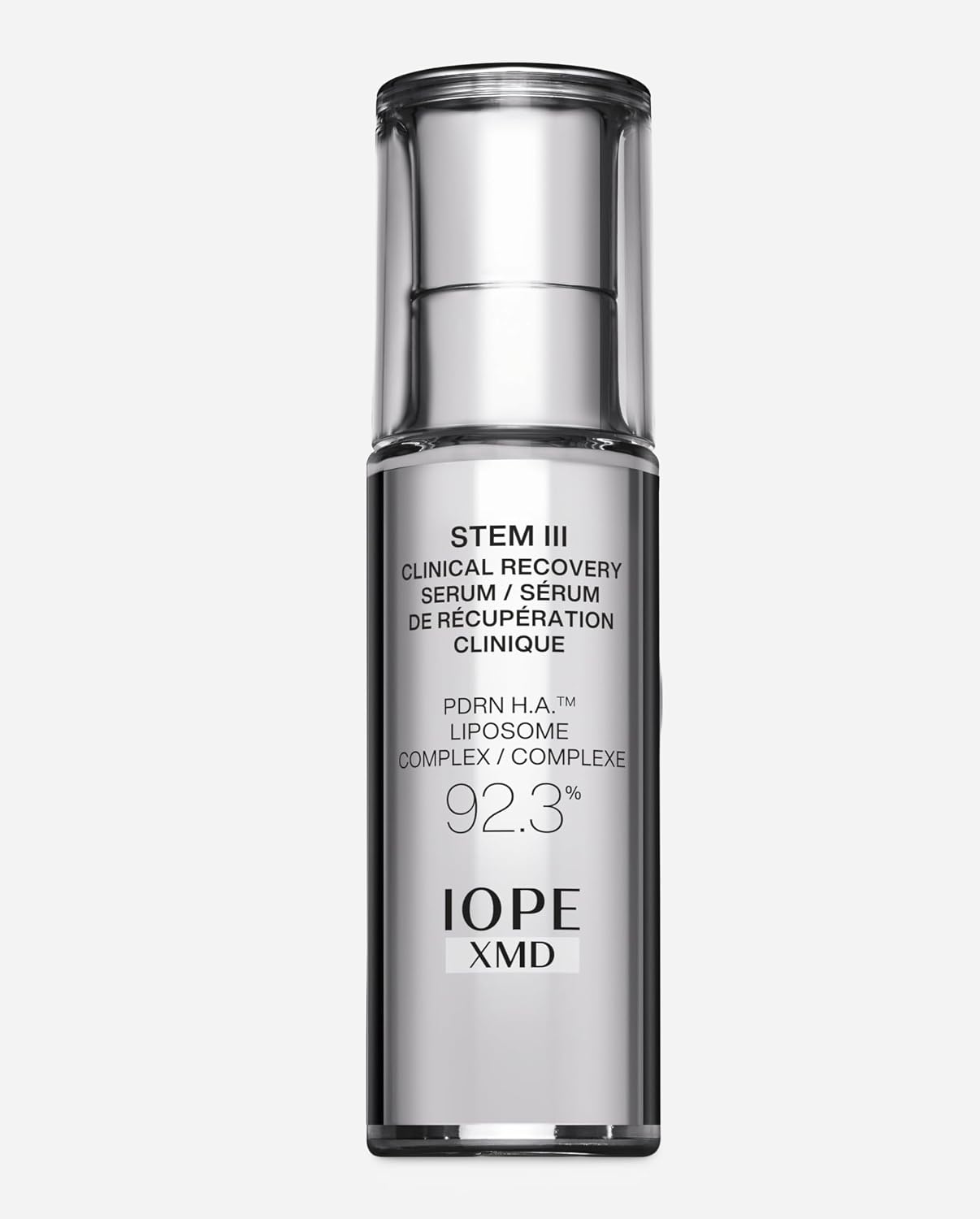 | Strong beauty-editor buzz, PDRN H.A. Liposome Complex, barrier and hydration positioning |  | |
Best glass-skin glow | 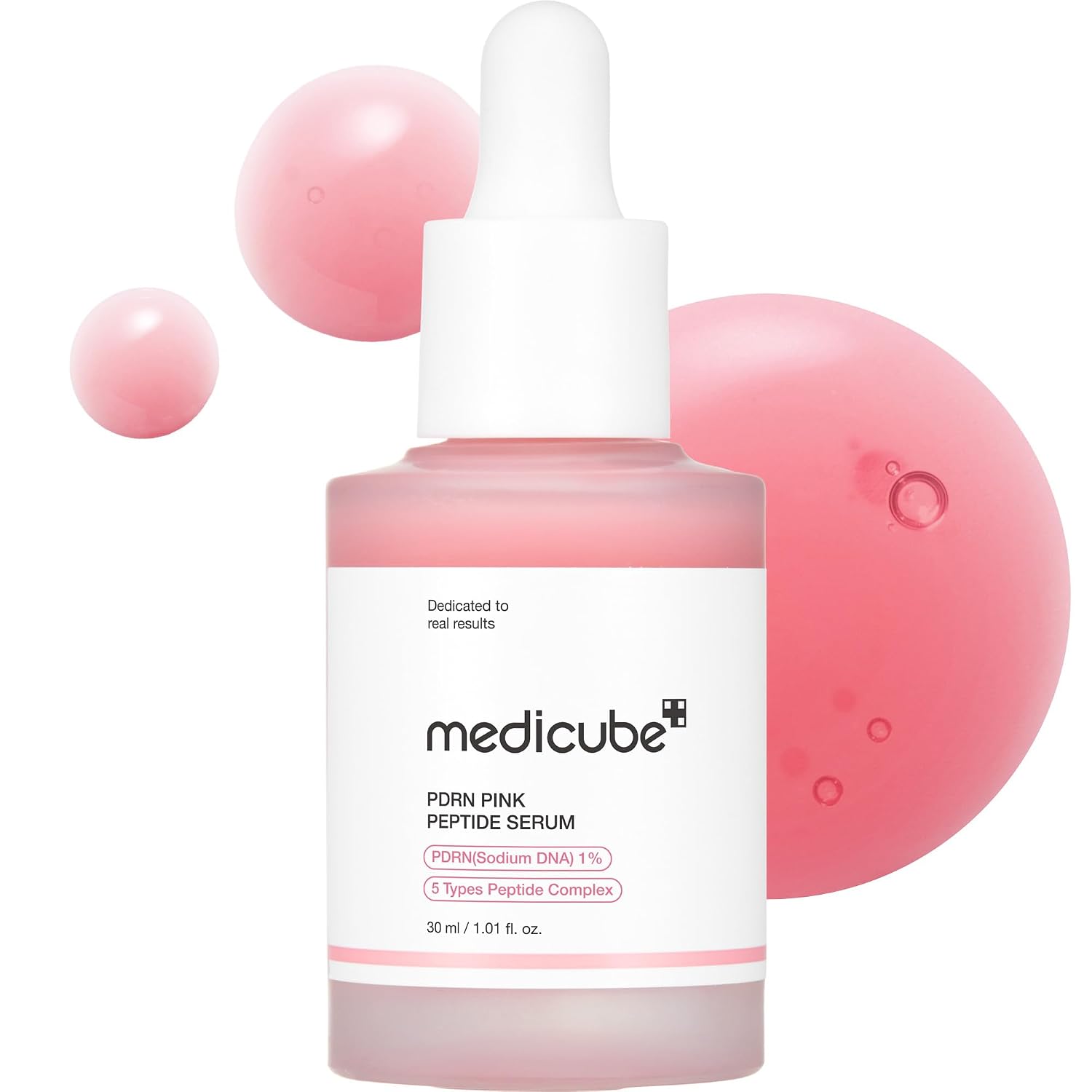 | PDRN, peptides, niacinamide; good fit for dullness and uneven skin | | |
Best hydration | 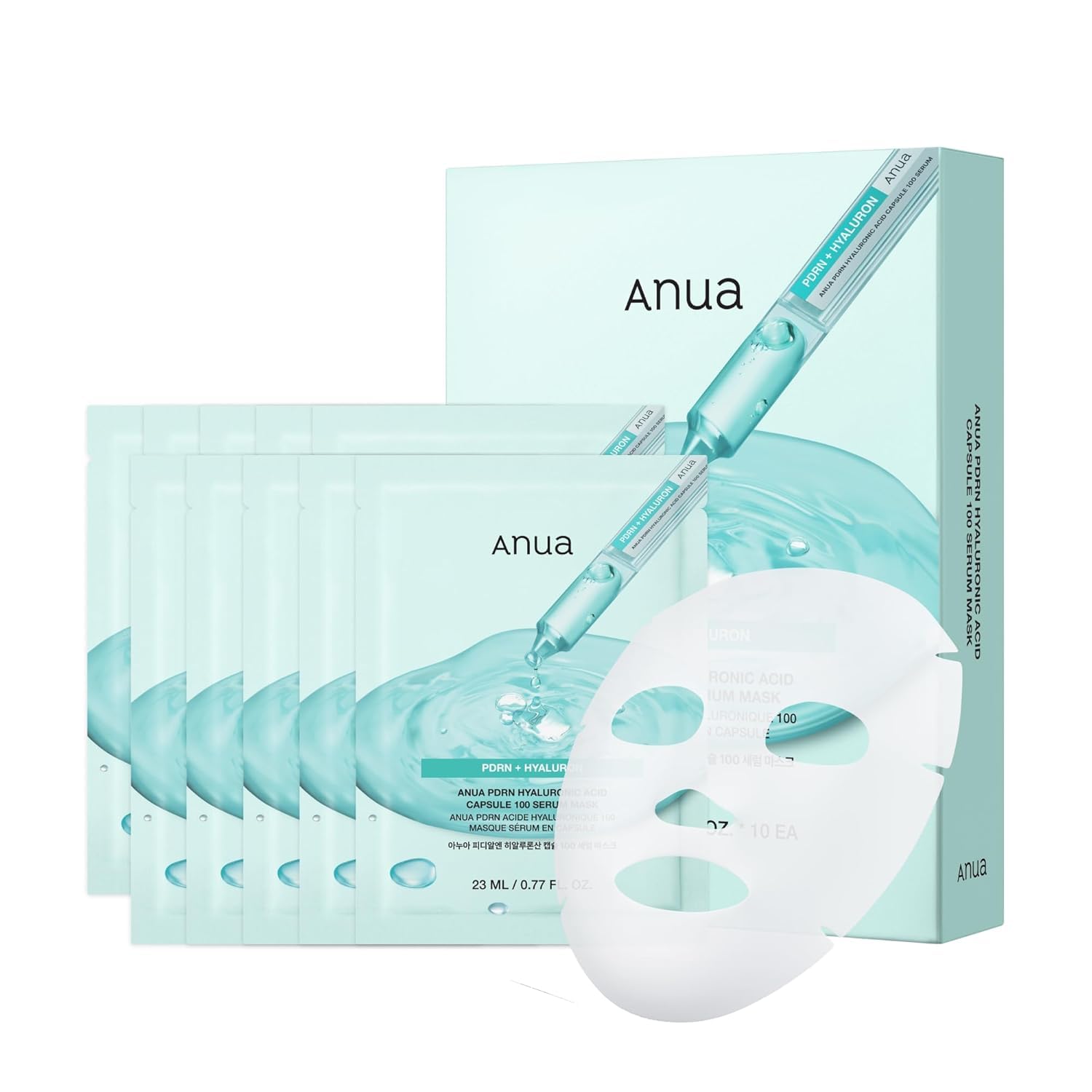 | PDRN plus multiple hyaluronic acid forms, glycerin, niacinamide, glutathione | | |
Best classic K-beauty ampoule | 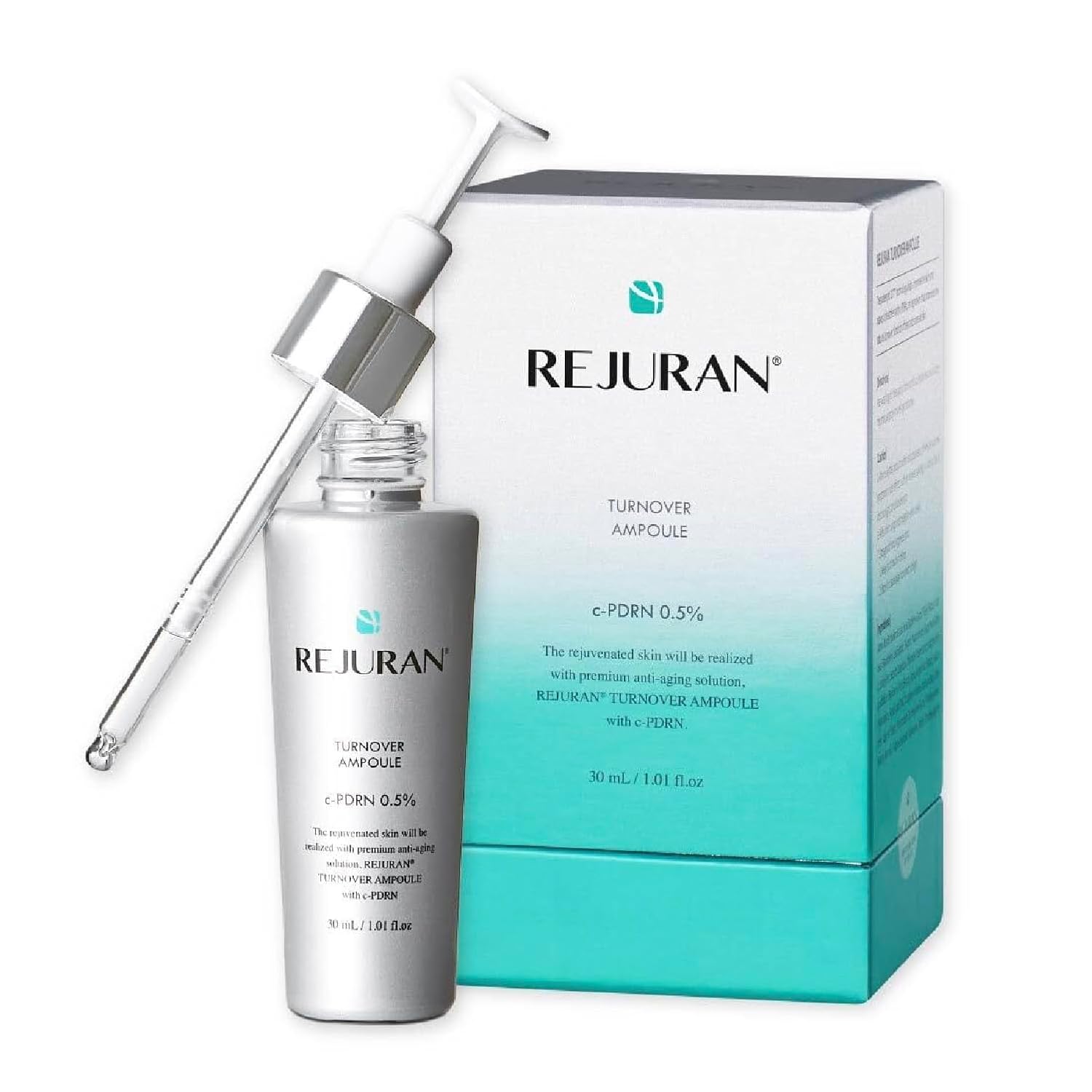 | c-PDRN positioning, smooth texture/glass skin appeal | | |
Best vegan-style PDRN option | 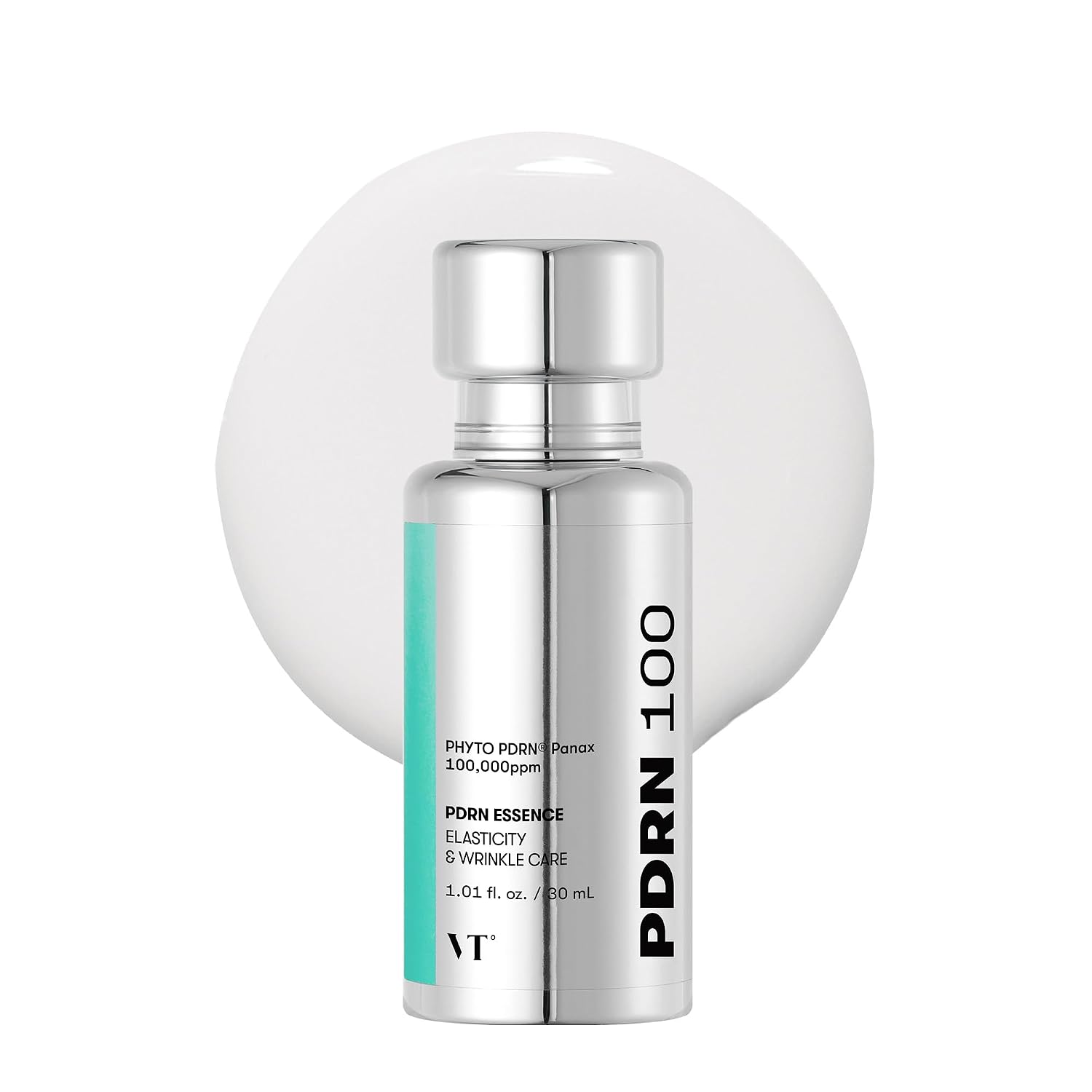 | Plant-derived/ginseng-style PDRN angle with ceramides, panthenol, squalane, niacinamide | | |
Best luxury new-tech option | 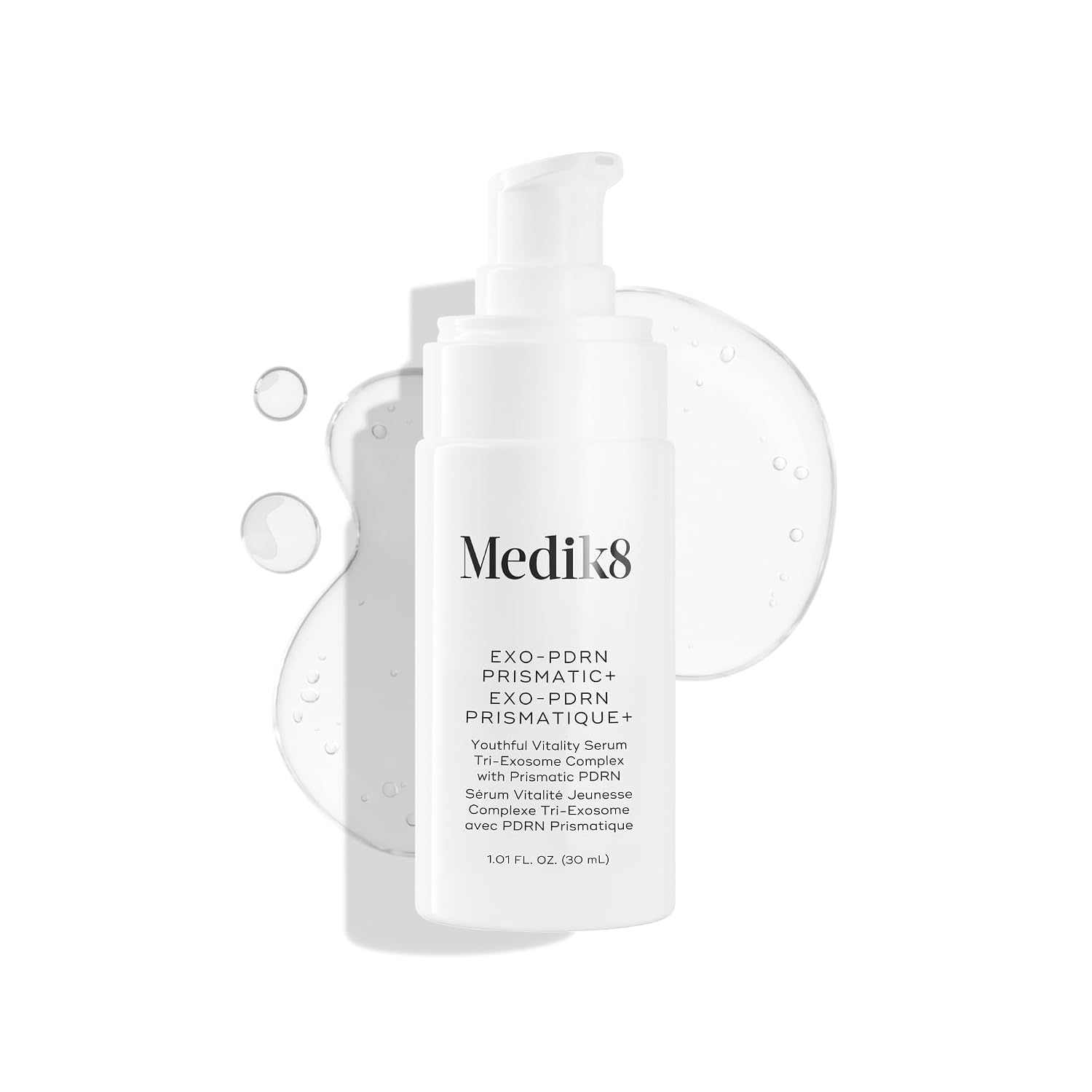 | Vegan PDRN, exosome complex, growth-factor-style positioning, high price | |
Allure’s 2026 PDRN serum roundup named IOPE XMD Stem III Clinical Recovery Serum as best overall, Medik8 Exo-PDRN Prismatic+ for uneven texture, Anua PDRN mist for sensitive skin, and Rejuran Dual Effect Ampoule for early signs of aging. Vogue’s PDRN list highlighted Rejuran, Innisfree, VT Cosmetics, Medicube, and other PDRN skincare products, which tells us this is not just a tiny TikTok trend anymore. It is now being treated like a full skincare category by major beauty publishers.
What Is PDRN?
PDRN stands for polydeoxyribonucleotide. In skincare, it usually refers to purified DNA fragments, traditionally derived from salmon or trout DNA.
That is why people keep calling it “salmon sperm skincare,” even though the more accurate explanation is purified DNA fragments taken from salmon sperm sources and then processed for use in ingredients. Allure explains that PDRN is traditionally derived from salmon DNA and has become popular in K-beauty moisturizers, masks, and serums as part of the regenerative skincare wave.
PDRN originally became interesting because of its connection to wound healing, tissue repair, anti-inflammatory activity, and regenerative medicine. A scientific review in Journal of Pharmaceutical Analysis described PDRN as having properties related to inflammation control, tissue repair, soft tissue regeneration, collagen synthesis, and skin revitalization pathways.
That is the reason the ingredient sounds so exciting.
But there is a catch.
A lot of the strongest PDRN excitement comes from medical or injectable use, not simple over-the-counter serums. A topical serum sitting on your skin is not the same thing as a professional polynucleotide injection placed deeper into the skin.
That difference matters.
What Does PDRN Serum Actually Do?
A realistic PDRN serum may help your skin look:
- More hydrated
- More luminous
- Less tired
- Smoother in texture
- Calmer
- More even
- Plumper
- Healthier-looking
The most believable benefits are glow, hydration, barrier support, and smoother-looking texture.
The least believable claims are the ones that make PDRN sound like a topical facelift, scar treatment, or injectable skin booster.
Marie Claire’s expert coverage makes this distinction clearly: injectable polynucleotides are placed into deeper skin layers, while topical PDRN serums sit on the epidermis and have far lower penetration. Dermatologist Anjali Mahto, MD, also warns that topical PDRN still lacks robust clinical data, especially compared with proven ingredients like retinoids, niacinamide, ceramides, and sunscreen.
That is exactly how LuxuryShimmer readers should think about PDRN:
Promising, yes. Proven like retinol, no.
Why PDRN Serums Are So Popular Right Now
PDRN is trending for three big reasons.
First, K-beauty has shifted toward “skin recovery” language. Instead of only focusing on strong exfoliation or harsh actives, many newer products talk about barrier repair, post-treatment care, redness, hydration, and glow.
Second, people are interested in regenerative skincare. Ingredients like PDRN, exosomes, peptides, growth factors, and stem-cell-inspired formulas all fit that more futuristic beauty category.
Third, the idea of “salmon DNA skincare” is unusual enough to go viral. It sounds clinical, strange, expensive, and dramatic all at once.
That does not mean every PDRN product is worth buying. It just means the category has momentum.
Allure notes that PDRN has taken over skincare recently as a buzzy K-beauty ingredient, but its own PDRN serum guide also includes skepticism from experts who say much of the current research is not the same as proving topical serums work on human skin.
That balanced view is the right one.
Best Overall PDRN Serum: IOPE XMD Stem III Clinical Recovery Serum
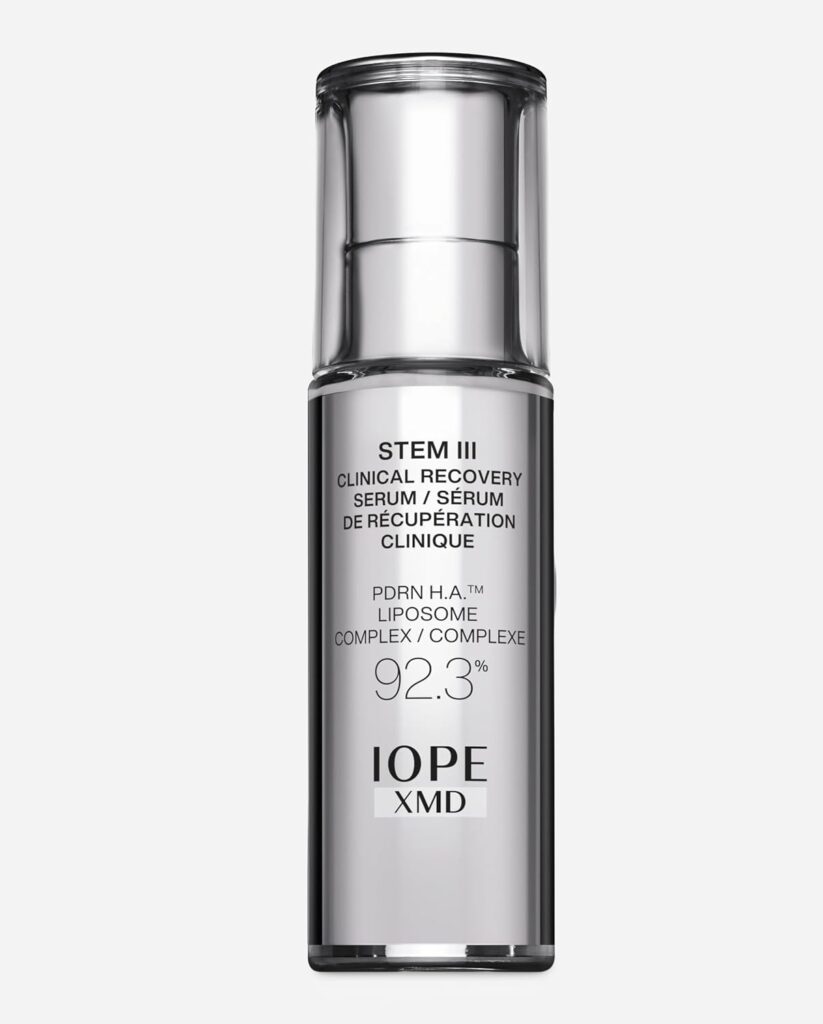
If you want the most “top beauty editor” pick, IOPE XMD Stem III Clinical Recovery Serum is the one to watch.
Allure named IOPE XMD Stem III Clinical Recovery Serum its best overall PDRN serum, describing it as a formula inspired by professional PDRN treatments and built around the brand’s PDRN H.A. Liposome Complex with salmon-derived PDRN, micro-molecular hyaluronic acid, soothing allantoin, antioxidant-rich support, and peptides.
IOPE’s own product page says the serum is powered by 92.3% PDRN H.A. Liposome Complex and is designed for aging, loss of firmness, pores, compromised barrier, and dryness.
This is the kind of formula that makes the most sense for someone who wants PDRN as a serious skincare step, not just a cheap trend product.
Why it makes sense
IOPE is appealing because it is not relying only on the word PDRN. It also leans into hydration, barrier support, soothing ingredients, and texture refinement.
That is exactly what I want in a PDRN serum.
Since topical PDRN evidence is still developing, the rest of the formula matters. IOPE seems strongest for someone who wants a more polished, barrier-focused serum and does not mind paying more than basic K-beauty prices.
Who should buy it
Buy this if your skin looks tired, dry, rough, or barrier-stressed and you want a premium PDRN serum with serious beauty-editor attention.
Who should skip it
Skip it if you want the cheapest PDRN serum possible or if you are mainly buying based on viral TikTok value.
Best PDRN Serum for Glass Skin: Medicube PDRN Pink Peptide Serum
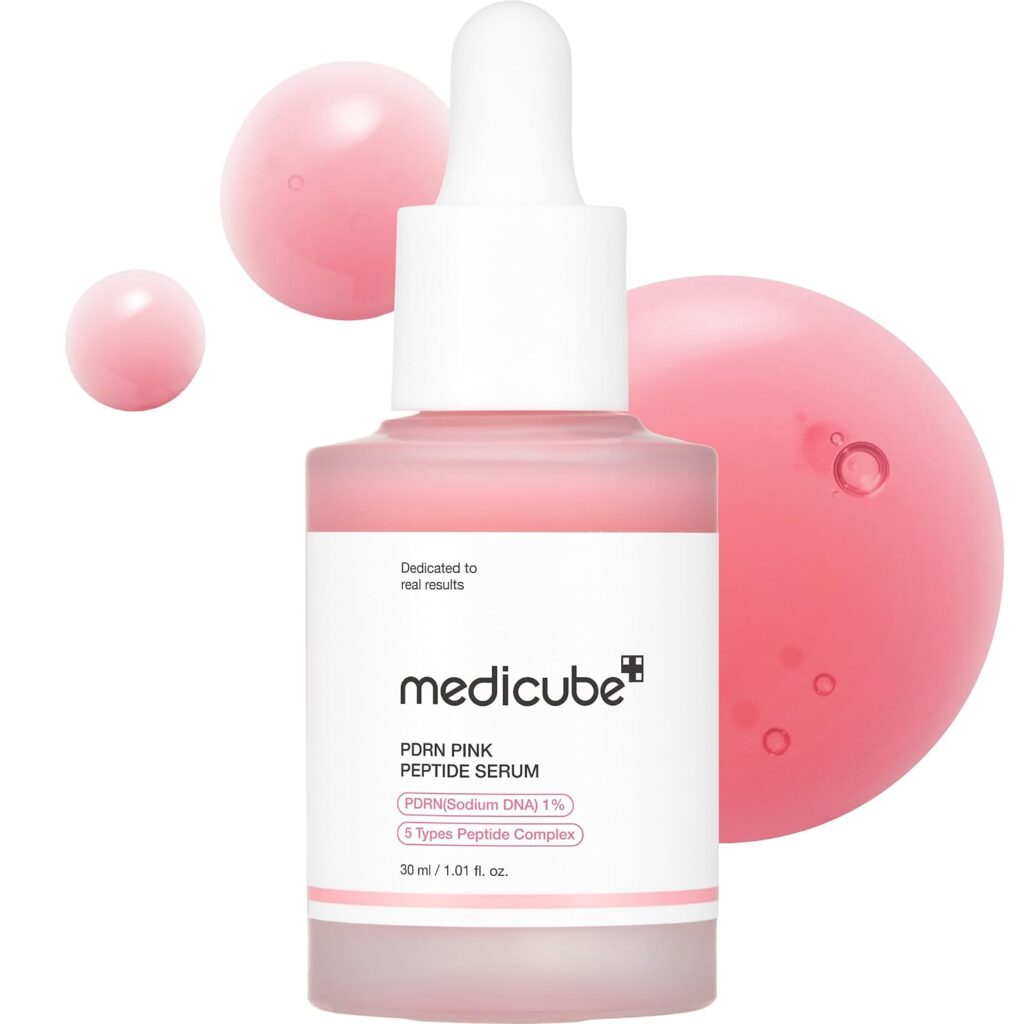
Medicube PDRN Pink Peptide Serum is probably the most search-friendly and viral-friendly option in this category.
This is the one I would choose for readers who want a glowy, bouncy, K-beauty serum without spending too much.
Medicube lists the serum for dry, combination, and sensitive skin, with target concerns including loss of firmness, dryness, dullness, and uneven skin. The brand lists salmon DNA PDRN, peptide, and niacinamide as key ingredients.
Ulta’s ingredient list also shows glycerin, niacinamide, sodium hyaluronate, sodium DNA, adenosine, rose extract, and several peptides, including acetyl hexapeptide-8, copper tripeptide-1, palmitoyl tripeptide-1, palmitoyl tetrapeptide-7, and palmitoyl pentapeptide-4.
That is why Medicube makes sense for glow. Even if PDRN itself is not doing everything, the supporting cast is strong for a cosmetic glow serum.
Why it makes sense
Medicube is one of the easiest PDRN serums to understand.
It is not trying to be a quiet, clinical serum. It is a glow product. The pink color, peptide story, niacinamide, and K-beauty positioning all make it feel like a product for dull, uneven, tired-looking skin.
It is also likely the easiest affiliate pick because it has strong name recognition and buyer intent.
Who should buy it
Buy this if you want glass skin, glow, moisture, and a serum that fits easily into a morning or nighttime routine.
Who should skip it
Skip it if fragrance bothers your skin. Ulta’s ingredient list includes fragrance, so very reactive or fragrance-sensitive users should be careful.
Best PDRN Serum for Hydration: Anua PDRN Hyaluronic Acid Capsule 100 Serum
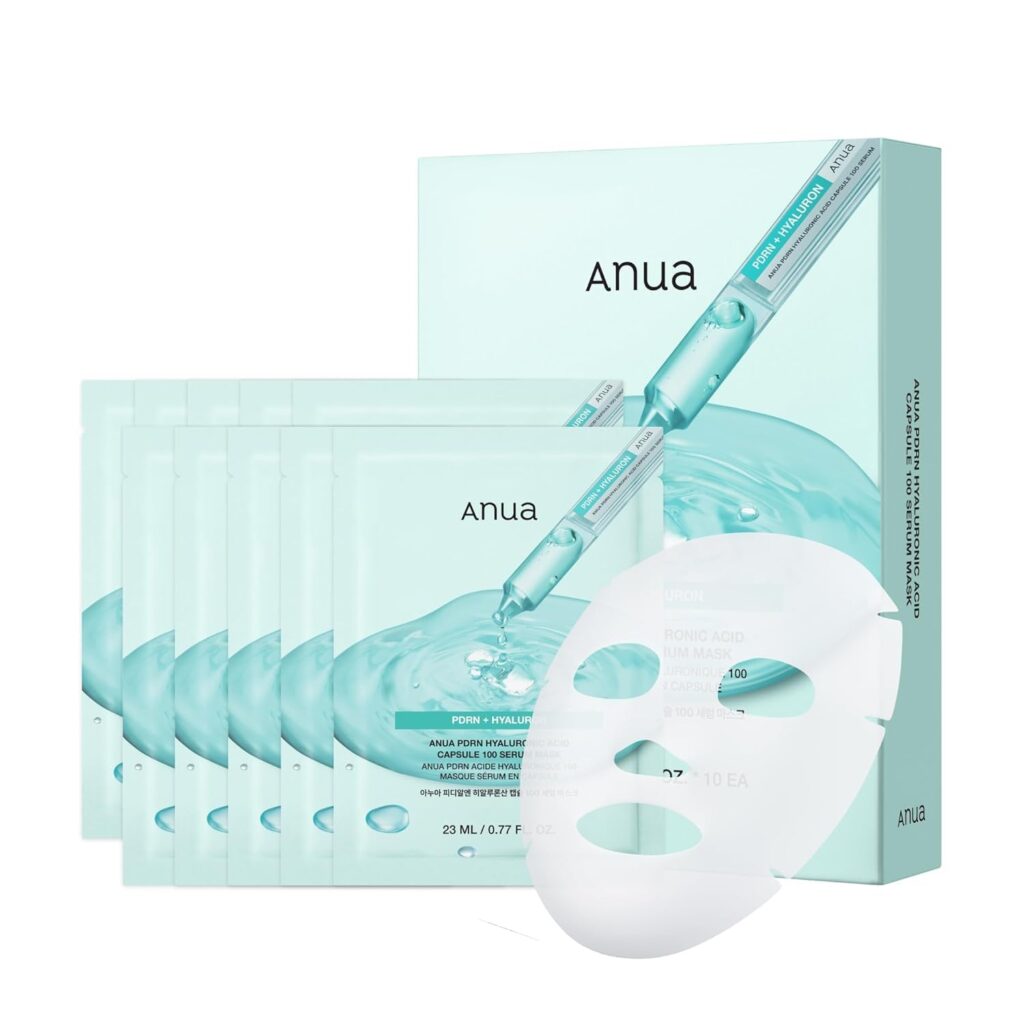
Anua PDRN Hyaluronic Acid Capsule 100 Serum is the best fit if your main concern is hydration, bounce, and a fresh-looking skin barrier.
Anua’s official ingredient list includes glycerin, hydrolyzed hyaluronic acid, niacinamide, glutathione, hydrolyzed collagen, sodium hyaluronate, sodium DNA, multiple forms of hyaluronic acid, adenosine, and botanical extracts.
That is a very hydration-focused ingredient profile.
This serum is especially appealing if your skin looks flat, tight, dehydrated, or dull. It is less about “dramatic anti-aging” and more about moisture, plumpness, and radiance.
Why it makes sense
Anua is strong because it combines PDRN with ingredients people already understand: hyaluronic acid, glycerin, niacinamide, glutathione, and collagen.
That makes the product easier to recommend than a formula that only says “PDRN” and expects the trend to sell itself.
Who should buy it
Buy this if your skin is dehydrated, dull, or makeup is not sitting smoothly. It is also a good choice if you want a PDRN serum that feels more like a hydration serum than a heavy anti-aging treatment.
Who should skip it
Skip it if your skin hates hyaluronic acid-heavy formulas or if you prefer very minimal ingredient lists.
Best Classic K-Beauty Ampoule: Rejuran Turnover Ampoule c-PDRN 0.5%
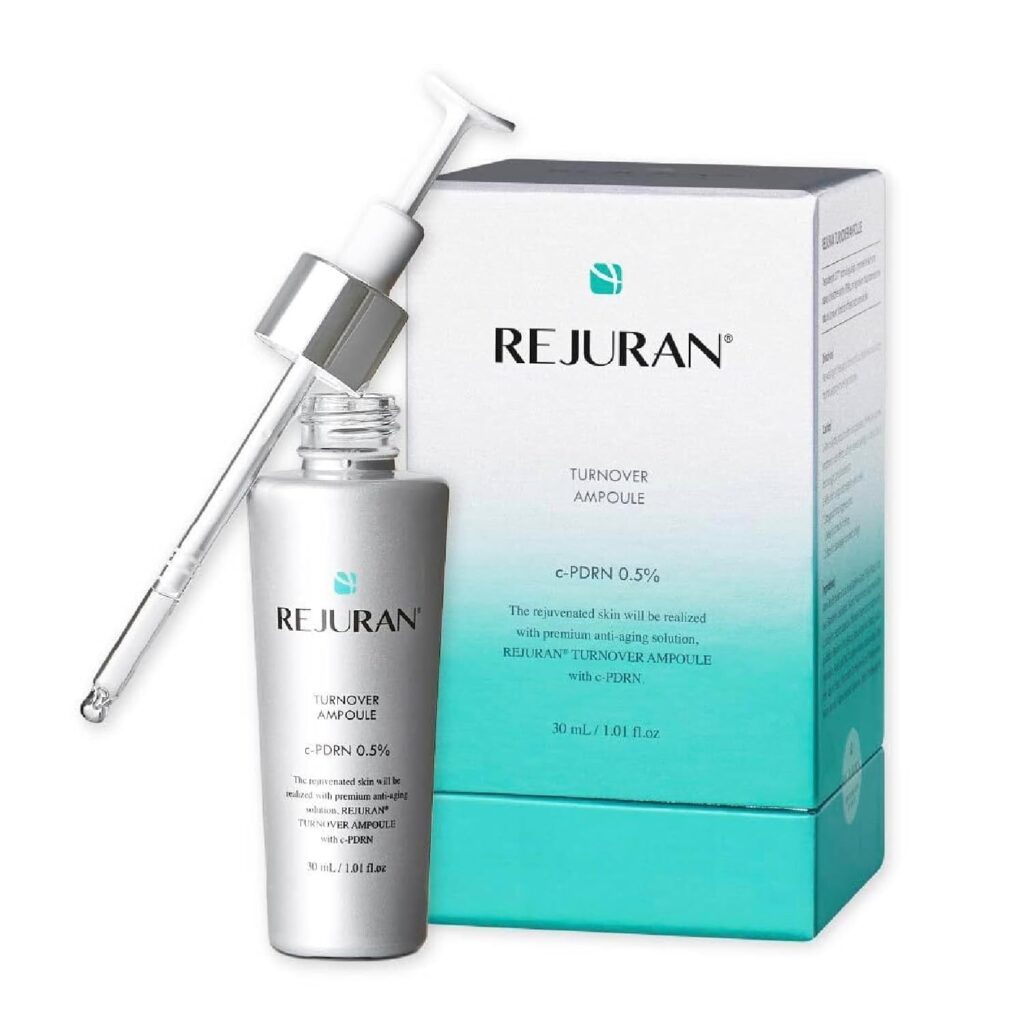
Rejuran is one of the most recognizable names in the PDRN category because the brand is closely associated with c-PDRN skincare.
Sephora lists Rejuran Turnover Ampoule c-PDRN 0.5% as a renewing serum for smooth texture and glass skin. The product page also shows a 30 mL size at an affordable price at the time checked.
Vogue named Rejuran Turnover Ampoule its best overall PDRN skincare pick, while Glamour’s PDRN serum coverage also highlighted Rejuran as a key PDRN option.
Why it makes sense
Rejuran makes sense if you want something that feels closer to the original professional PDRN story. It has a more clinical reputation than some of the trendier pink or glass-skin serums.
It is also a good choice if you want a product that sits neatly between affordable K-beauty and expensive luxury skincare.
Who should buy it
Buy this if you want a PDRN ampoule with a more classic skin-recovery feel and you care about smooth texture, glow, and early aging support.
Who should skip it
Skip it if you want the most affordable option or if you prefer vegan/plant-derived PDRN alternatives.
Best Vegan-Style PDRN Option: VT Cosmetics PDRN 100 Essence
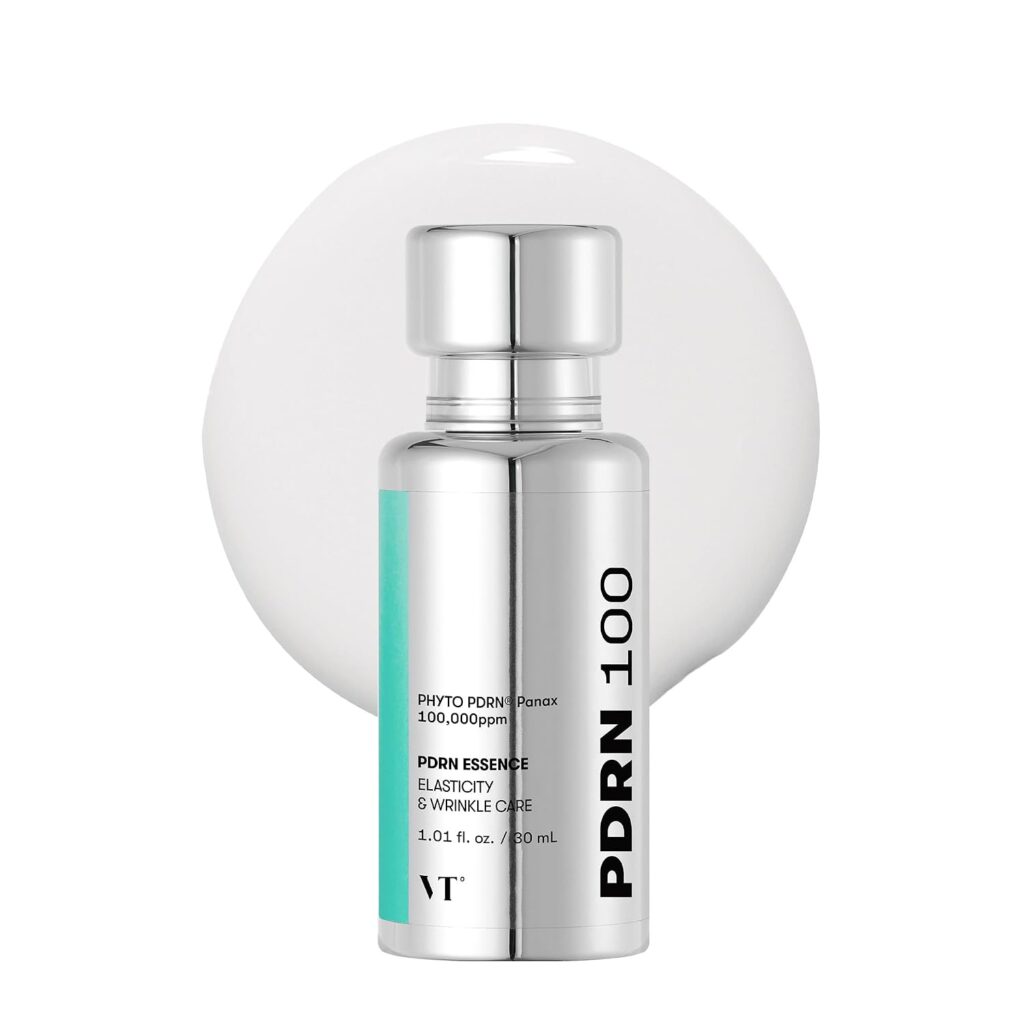
If you like the idea of PDRN but do not want fish-derived PDRN, VT Cosmetics PDRN 100 Essence is one of the better-known plant-derived options.
Vogue named VT Cosmetics PDRN 100 Essence as a best vegan PDRN option.
The ingredient profile also makes it more than a one-note trend product. INCIdecoder lists VT PDRN Essence 100 with Panax ginseng root extract, glycerin, propanediol, niacinamide, adenosine, ceramides, allantoin, squalane, panthenol, and sodium DNA.
That means it has barrier-friendly and moisturizing ingredients that make sense even apart from the PDRN trend.
Why it makes sense
VT is the best pick for someone who wants the PDRN concept but prefers a plant-derived, vegan-positioned product.
It also makes sense for barrier support because of the ceramides, panthenol, squalane, and allantoin.
Who should buy it
Buy this if you want a vegan-style PDRN serum or essence and your skin likes nourishing, barrier-supporting formulas.
Who should skip it
Skip it if you are very acne-prone and sensitive to richer emollients. INCIdecoder lists isopropyl myristate high in the ingredient list, and that ingredient can be a problem for some clog-prone skin types.
Best Luxury New-Tech PDRN Serum: Medik8 Exo-PDRN Prismatic+
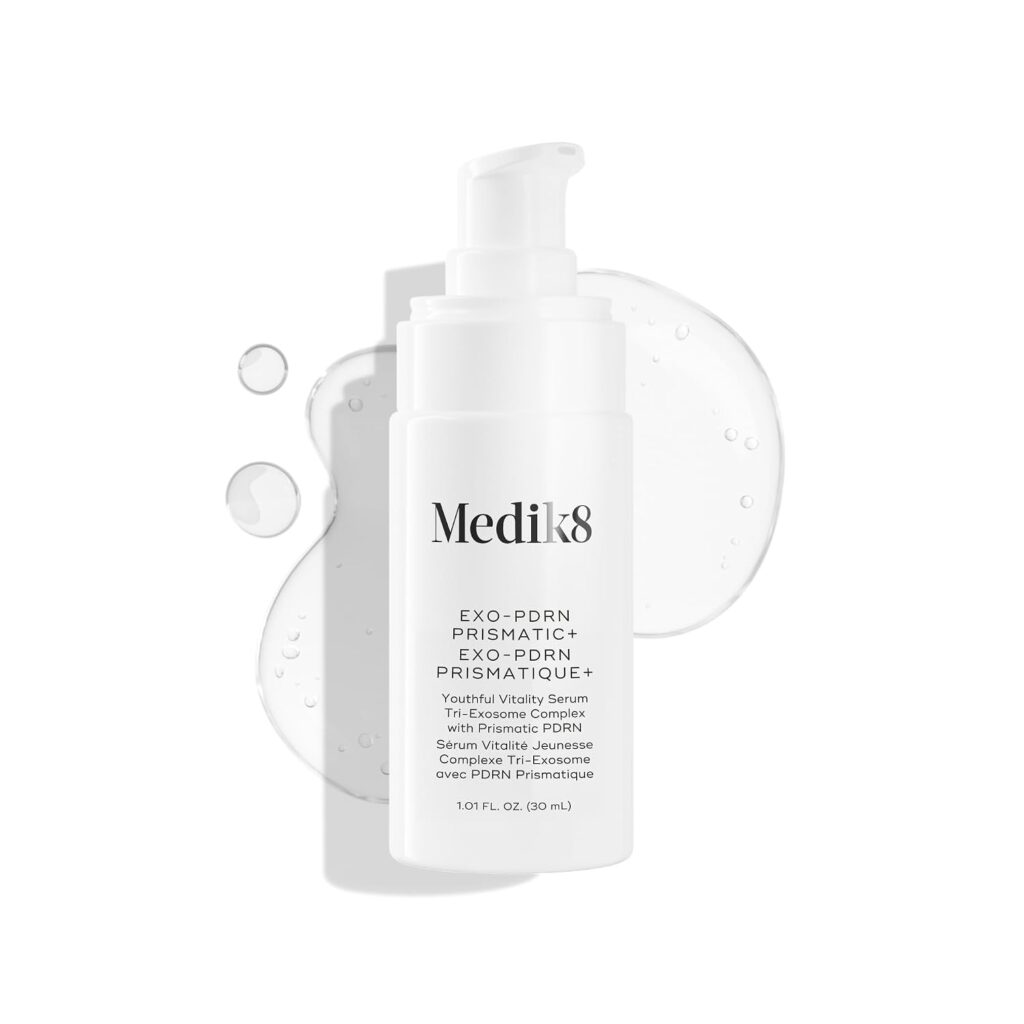
Medik8 Exo-PDRN Prismatic+ is the high-tech luxury option in this category.
Medik8 says Exo-PDRN Prismatic+ is powered by Vegan Prismatic PDRN, a Triple Exosome Complex, and other skin-health-supporting technology. The brand positions it as a serum for luminosity, resilience, tone, texture, and visible skin health.
Allure also reviewed the Medik8 serum and noted that while PDRN and exosome ingredients still need stronger backing, the formula includes tested supporting ingredients like glycerin, allantoin, and niacinamide.
Why it makes sense
This is not the budget pick. This is for someone who likes sophisticated formulas, luxury texture, and the idea of pairing PDRN with other regenerative-style ingredients.
It is also one of the more interesting options if you are building an article cluster around PDRN vs exosomes vs growth factors.
Who should buy it
Buy this if you want a premium serum, like Medik8 as a brand, and care about glow, resilience, and texture.
Who should skip it
Skip it if you are looking for the cheapest way to try PDRN. There are many less expensive products in this category.
What Should You Look for in a PDRN Serum?
The best PDRN serum should not rely on PDRN alone.
Look for a formula that includes at least some of these ingredients:
- Niacinamide for tone, barrier support, and brightness
- Hyaluronic acid for hydration and plumpness
- Glycerin for reliable moisture
- Peptides for firming and smoothing support
- Panthenol for barrier comfort
- Allantoin for soothing
- Centella for calming
- Ceramides for barrier support
- Adenosine for anti-aging support in Korean formulas
- Squalane for moisture and comfort
This is where PDRN serums become more convincing. A serum with PDRN plus niacinamide, peptides, and hyaluronic acid can still be a strong glow product even if PDRN itself is not fully proven in topical form.
What I would avoid is a serum that makes huge regenerative claims without a strong supporting formula.
What Does PDRN Do for Glow?
PDRN serums can help with glow mostly through hydration, barrier support, and smoother-looking texture.
When skin is dehydrated or irritated, it looks dull. A PDRN serum with humectants like glycerin and hyaluronic acid can make the skin look fresher quickly. Niacinamide and peptides can add to the smoother, more even look over time.
This is why many people describe PDRN serums as “glass skin” products. The glow may not be because PDRN is magically rebuilding the skin overnight. It may be because the formula is hydrating, soothing, and smoothing.
That is still useful. It is just more realistic.
What Does PDRN Do for Texture?
Texture is one of the more believable reasons to try a PDRN serum.
A good PDRN serum may help skin look smoother by supporting hydration, calming irritation, and improving the look of a rough or stressed skin barrier.
But if your texture is caused by acne scars, deep lines, enlarged pores, or significant sun damage, do not expect a topical PDRN serum to do the work of resurfacing treatments.
For serious texture, you may need retinoids, exfoliating acids, professional peels, microneedling, lasers, or dermatologist-guided care.
PDRN serum is better for softening the look of uneven texture, not correcting deep texture.
What Does PDRN Do for Aging Skin?
PDRN is interesting for aging skin because research around PDRN connects it to inflammation, tissue repair, collagen synthesis, and skin revitalization pathways.
But again, this does not mean every topical PDRN serum will visibly rebuild aging skin.
For aging skin, PDRN serum is best understood as a supporting serum. It may help skin look more hydrated, plump, smooth, and comfortable. It may be especially useful if your skin is too sensitive for strong actives every night.
But it should not replace the true anti-aging basics:
- Daily sunscreen
- Retinoid or retinol if tolerated
- Vitamin C or antioxidant support
- Peptides if you like them
- Moisturizer
- Consistency
Marie Claire’s expert coverage makes the same practical point: retinoids, niacinamide, ceramides, and sunscreen still have stronger data for lines, barrier repair, and pigmentation than topical PDRN.
Is PDRN Better Than Retinol?
No. PDRN is not better than retinol for anti-aging.
Retinol and prescription retinoids have far stronger evidence for fine lines, texture, collagen support, and acne-related concerns.
PDRN may be gentler and more barrier-friendly, but it is not the same kind of active.
The best way to use them is not “PDRN vs retinol.” It is more like:
Retinol does the heavy lifting. PDRN helps with comfort, glow, and recovery.
If your skin tolerates retinoids, keep using them. Add PDRN on recovery nights or in the morning if the formula layers well.
Is PDRN Better Than Hyaluronic Acid?
Not exactly.
Hyaluronic acid is mainly a hydration ingredient. PDRN is marketed more around repair, regeneration, and skin recovery.
But in real skincare use, many PDRN serums also contain hyaluronic acid because hydration is one of the fastest ways to make skin look better.
If your only goal is hydration, a simple hyaluronic acid or glycerin serum may be enough.
If you want hydration plus a trendier recovery-focused formula, a PDRN serum may be more appealing.
Is PDRN Better Than Peptides?
PDRN and peptides are different.
Peptides are usually used for firming, smoothing, barrier support, and skin-signaling benefits depending on the type. PDRN is used more for recovery, repair, and regenerative skincare marketing.
The best PDRN serums often include peptides, which is why products like Medicube are interesting. Medicube lists peptide and niacinamide alongside salmon DNA PDRN, making it more of a glow-and-firmness serum than a single-ingredient product.
For most people, a PDRN-plus-peptide formula is more appealing than PDRN alone.
Can PDRN Help Sensitive Skin?
Possibly, but choose carefully.
PDRN serums are often marketed for recovery and barrier support, which makes them sound ideal for sensitive skin. But the full formula matters more than the hero ingredient.
If you have sensitive skin, look for fragrance-free formulas with soothing ingredients like panthenol, allantoin, centella, ceramides, and glycerin.
Be careful with:
- Fragrance
- Essential oils
- Strong acids
- Too many actives
- Heavy emollients if you clog easily
- “Glass skin” formulas that may be too shiny or rich
Also patch test first. PDRN is trendy, but sensitive skin does not care what is trending.
Can PDRN Help Acne-Prone Skin?
PDRN is not an acne treatment.
Some PDRN serums may be fine for acne-prone skin if they are lightweight, soothing, and non-irritating. Others may be too rich or may contain ingredients that bother your skin.
If you are acne-prone, look for formulas with niacinamide, panthenol, centella, glycerin, and lightweight hydration. Avoid formulas that feel greasy, heavily fragranced, or clog-prone.
For acne itself, ingredients like benzoyl peroxide, salicylic acid, adapalene, prescription retinoids, azelaic acid, and dermatologist-guided treatment are more direct.
PDRN may support skin comfort. It should not be your main acne plan.
Can PDRN Help Hyperpigmentation?
Maybe indirectly, but I would not choose PDRN as the main treatment for dark spots.
Some research discusses PDRN’s potential anti-melanogenic and skin-revitalizing activity, and beauty brands often market it for tone and unevenness.
But if your main concern is hyperpigmentation, proven brightening ingredients still make more sense:
- Sunscreen
- Vitamin C
- Niacinamide
- Tranexamic acid
- Azelaic acid
- Retinoids
- Alpha arbutin
- Chemical exfoliants if tolerated
A PDRN serum with niacinamide or glutathione may help the skin look brighter, but PDRN itself should not be treated as your main dark-spot ingredient.
How Long Does PDRN Serum Take to Work?
For glow and hydration, you may notice a difference quickly, sometimes after the first few uses.
For texture, tone, and early aging support, give it at least 4 to 8 weeks.
That timeline is realistic for most cosmetic serums. Skin may look more hydrated quickly, but smoother texture and better barrier comfort take longer.
If a product promises dramatic anti-aging results in a few days, be skeptical. A healthier glow can happen fast. Deep skin remodeling cannot.
How to Use PDRN Serum
A simple PDRN routine could look like this:
Morning:
- Cleanser or rinse
- PDRN serum
- Moisturizer
- Sunscreen
Night:
- Cleanser
- PDRN serum
- Moisturizer
If you use retinol or exfoliating acids, you can use PDRN on alternate nights or layer it after a gentle toner and before moisturizer.
For sensitive skin, start 2–3 times per week, then increase if your skin likes it.
Can You Use PDRN With Retinol?
Yes, many people can use PDRN and retinol in the same routine, but it depends on the formula and your skin.
If the PDRN serum is gentle and hydrating, it may pair well with retinol because it can help support comfort and moisture.
However, if your PDRN product contains acids, fragrance, strong actives, or anything your skin finds irritating, use it separately.
A safer beginner routine:
- Retinol at night 2–4 times per week
- PDRN serum on non-retinol nights
- PDRN serum in the morning if it layers well
- Sunscreen every day
Can You Use PDRN After Microneedling, Laser, or Peels?
This is where people get excited about PDRN, but be careful.
Professional PDRN and polynucleotide treatments are often discussed in post-procedure or skin-recovery contexts. Some products are also marketed for use alongside professional treatments.
But after microneedling, lasers, peels, or other procedures, your skin barrier may be compromised. You should only use what your provider tells you to use.
Do not apply a random PDRN serum to freshly treated skin just because it says “recovery” on the bottle.
Who Should Try PDRN Serum?
PDRN serum makes the most sense if your skin is:
- Dull
- Dehydrated
- Tired-looking
- Slightly rough
- Barrier-stressed
- Mildly uneven
- Starting to show early aging
- Sensitive to stronger actives
- In need of glow and comfort
It is a nice category for people who want their skin to look healthy, bouncy, and luminous.
Who Should Skip PDRN Serum?
Skip PDRN serum if you are expecting:
- Deep wrinkle repair
- Dramatic lifting
- Scar remodeling
- A replacement for retinoids
- Injectable-level results
- A miracle for acne
- A cure for dark spots
Also skip or choose carefully if you have fish allergies, are vegan, or prefer to avoid animal-derived ingredients. Traditional PDRN is often salmon-derived, though some brands now offer plant-derived or vegan-positioned alternatives.
Final Verdict: What Is the Best PDRN Serum?
If you want the most polished beauty-editor pick, choose IOPE XMD Stem III Clinical Recovery Serum.
If you want the best glass-skin glow serum, choose Medicube PDRN Pink Peptide Serum.
If you want hydration and bounce, choose Anua PDRN Hyaluronic Acid Capsule 100 Serum.
If you want the classic PDRN ampoule feel, choose Rejuran Turnover Ampoule c-PDRN 0.5%.
If you want a vegan-style alternative, choose VT Cosmetics PDRN 100 Essence.
If you want the luxury new-tech version, choose Medik8 Exo-PDRN Prismatic+.
But the most important takeaway is this:
The best PDRN serum is not the one with the loudest salmon DNA marketing. It is the one with the best full formula.
Look for PDRN plus proven supporting ingredients. Keep your expectations realistic. Use sunscreen. Do not replace retinoids if they already work for you.
PDRN serum is best for glow, hydration, smoother-looking texture, and skin recovery support.
It is not a miracle. But in the right formula, it can absolutely be a beautiful addition to a glow-focused skincare routine.
Other Interesting Articles
- Who Should Avoid LED Face Masks? Considerations Most Guides Skip
- LED Face Masks vs In-Office Light Therapy for Wrinkles
- What Makes an LED Face Mask High Quality for Anti-Aging?
- Are Expensive LED Face Masks Better for Wrinkles or Just More Complicated?
- LED Face Masks vs Retinoids: Do You Need Both for Wrinkles?
- How to Tell If an LED Face Mask Is Actually Doing Anything
- Can You Overuse an LED Face Mask? Signs You’re Doing Too Much
- Best LED Mask for Wrinkles: A Smarter, Evidence-Based Explanation
- Best Light Therapy Mask: What Best Really Means
FAQ
What is PDRN in skincare?
PDRN stands for polydeoxyribonucleotide. In skincare, it usually refers to purified DNA fragments traditionally derived from salmon or trout sources. It is popular in K-beauty serums, ampoules, masks, and moisturizers.
Is PDRN really salmon sperm?
The viral phrase “salmon sperm skincare” comes from the fact that PDRN is traditionally derived from DNA fragments sourced from salmon sperm. The ingredient used in skincare is purified and processed, not raw salmon sperm.
Does PDRN serum actually work?
PDRN serum may help with glow, hydration, smoother-looking texture, and barrier support, especially when combined with ingredients like niacinamide, hyaluronic acid, peptides, panthenol, and ceramides. However, topical PDRN does not have the same level of evidence or penetration as injectable polynucleotide treatments.
Is PDRN better than retinol?
No. Retinol has stronger evidence for anti-aging, fine lines, texture, and acne-related concerns. PDRN is better understood as a supportive glow and recovery ingredient, not a replacement for retinol.
Is PDRN good for aging skin?
PDRN may be useful for aging skin if your goals are hydration, plumpness, glow, and smoother-looking texture. For deeper wrinkles, sagging, and pigmentation, proven ingredients like sunscreen, retinoids, vitamin C, and niacinamide are still more important.
Is PDRN good for sensitive skin?
It can be, but the formula matters. Choose gentle, fragrance-free PDRN serums with soothing ingredients like panthenol, allantoin, centella, ceramides, and glycerin. Patch test first.
Is PDRN good for acne?
PDRN is not an acne treatment. It may support skin comfort and barrier recovery, but acne-prone skin usually needs more direct ingredients like salicylic acid, benzoyl peroxide, adapalene, azelaic acid, or dermatologist-guided care.
Can PDRN help with dark spots?
PDRN may support overall skin quality and radiance, but it should not be your main dark-spot treatment. For hyperpigmentation, sunscreen, vitamin C, niacinamide, retinoids, azelaic acid, tranexamic acid, and other brightening ingredients are more direct.
Can you use PDRN every day?
Most gentle PDRN serums can be used daily if your skin tolerates them. Start slowly if you have sensitive skin or if the formula contains additional active ingredients.
Can you use PDRN with vitamin C?
Yes, many people can use PDRN with vitamin C. Use vitamin C in the morning, follow with moisturizer and sunscreen, and use PDRN either after vitamin C if it layers well or at night.
Can you use PDRN with retinol?
Yes, but start carefully. Use PDRN on non-retinol nights at first, then decide whether your skin can tolerate layering. If your PDRN serum is soothing and hydrating, it may pair well with retinol.
What is the best PDRN serum for beginners?
Medicube PDRN Pink Peptide Serum and Anua PDRN Hyaluronic Acid Capsule 100 Serum are beginner-friendly options because they focus on glow, hydration, and skin comfort. Choose Medicube for glass skin and Anua for hydration.
What is the best PDRN serum overall?
For a premium editor-loved pick, IOPE XMD Stem III Clinical Recovery Serum is one of the strongest options. For a more accessible glow serum, Medicube PDRN Pink Peptide Serum is probably the easiest recommendation for most readers.
Are vegan PDRN serums real?
Some brands use plant-derived or vegan-positioned PDRN alternatives. VT Cosmetics PDRN 100 Essence is one of the more visible vegan-style options, and Vogue listed it as a best vegan PDRN pick.
Is PDRN serum worth the hype?
PDRN serum is worth trying if you want glow, hydration, smoother-looking texture, and barrier support. It is overhyped if you expect injectable-level skin regeneration or dramatic anti-aging results from a topical serum.