I'm a participant in the Amazon Services LLC Associates Program, an affiliate advertising program designed to provide a means for me to earn fees by linking to Amazon.com and affiliated sites.
If you’re searching best LED face mask, you’re really asking two questions:
- Will it actually work for my skin?
- Will I actually use it long enough to see results?
Here’s the verdict-first truth that most “best” pages bury:
The best LED face mask is the one with the right wavelengths, a meaningful dose, and a routine design you’ll stick to. Not the one with the loudest marketing or the biggest LED count.
Best LED Face Mask Comparison Table
Feature | |||||
|---|---|---|---|---|---|
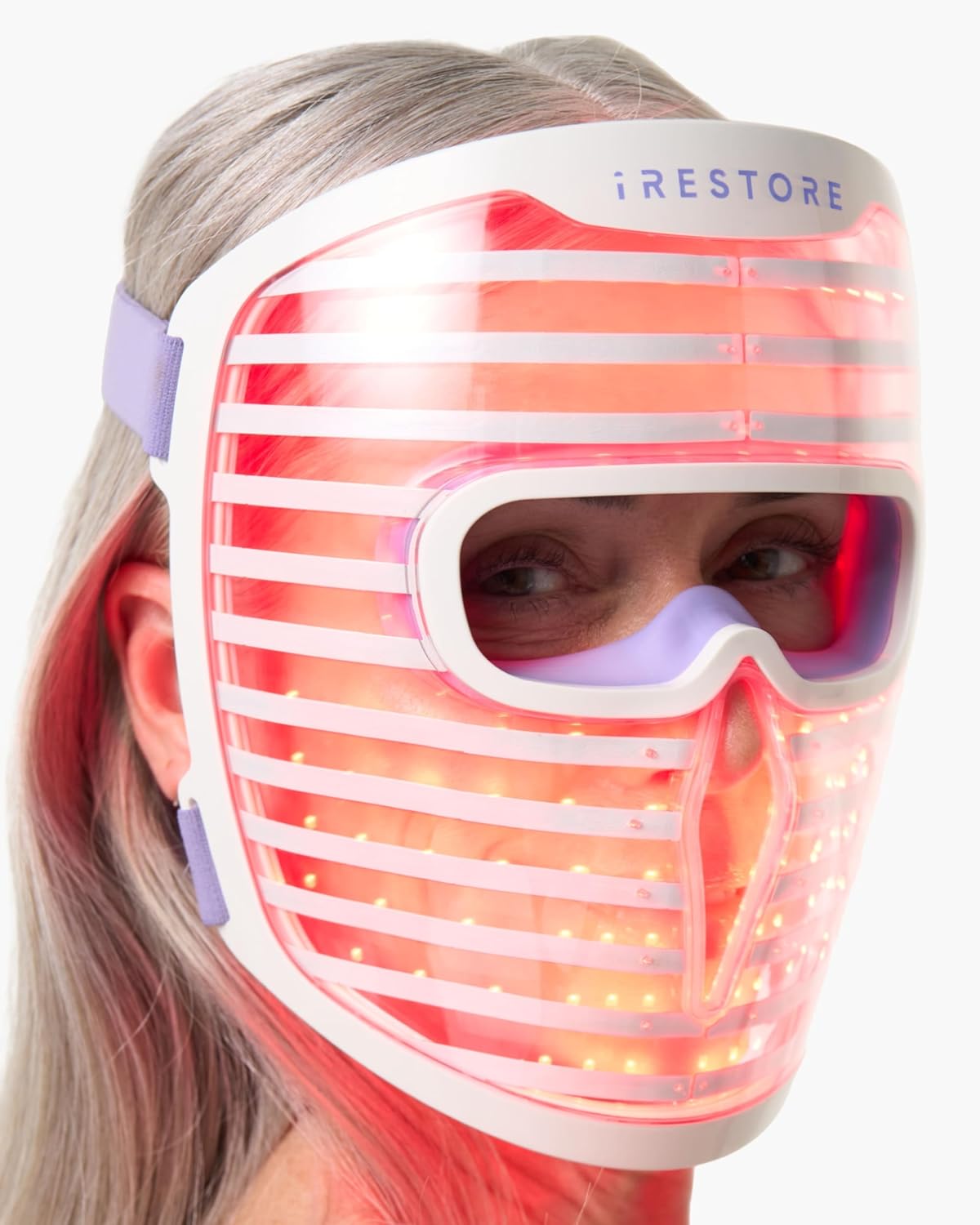 | 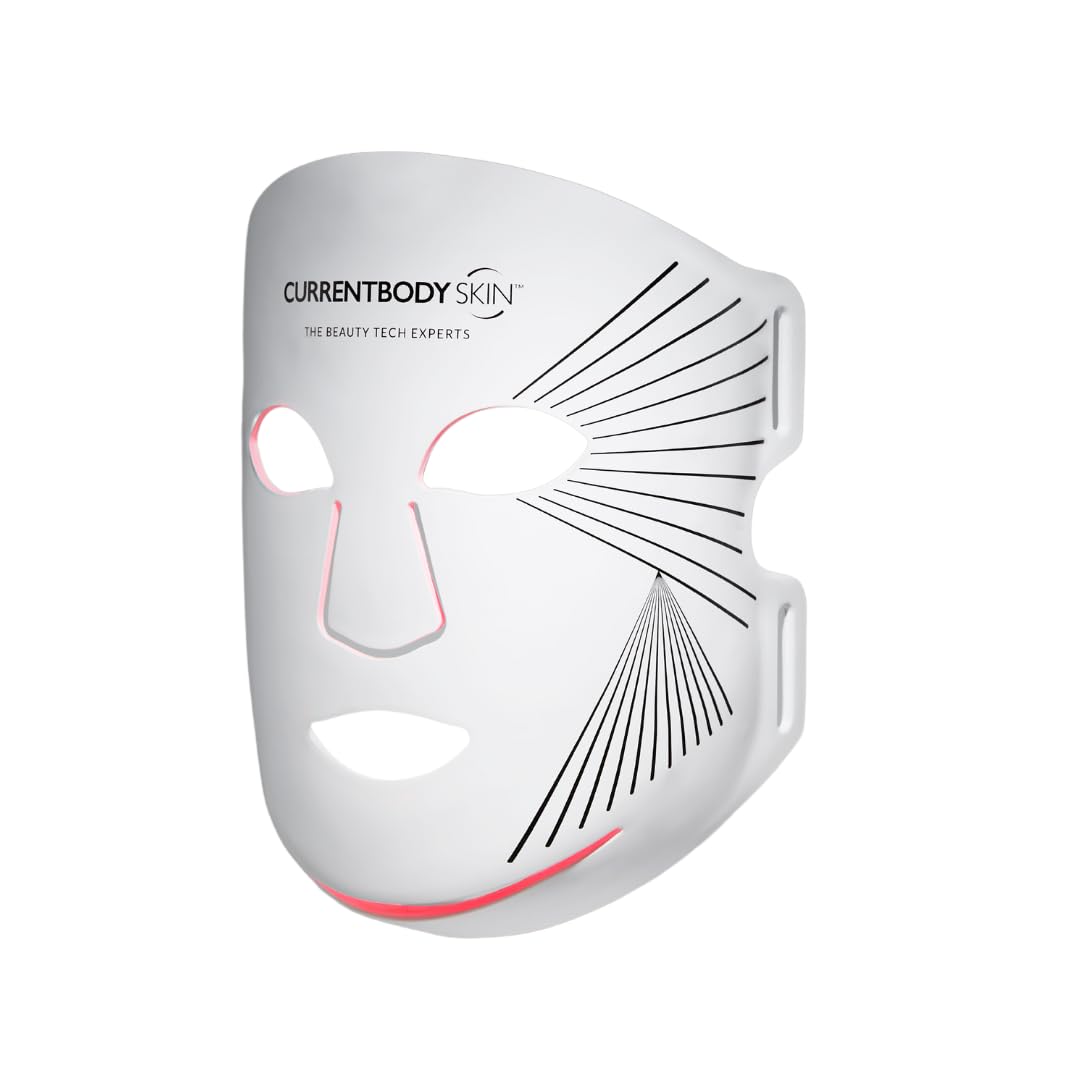 | 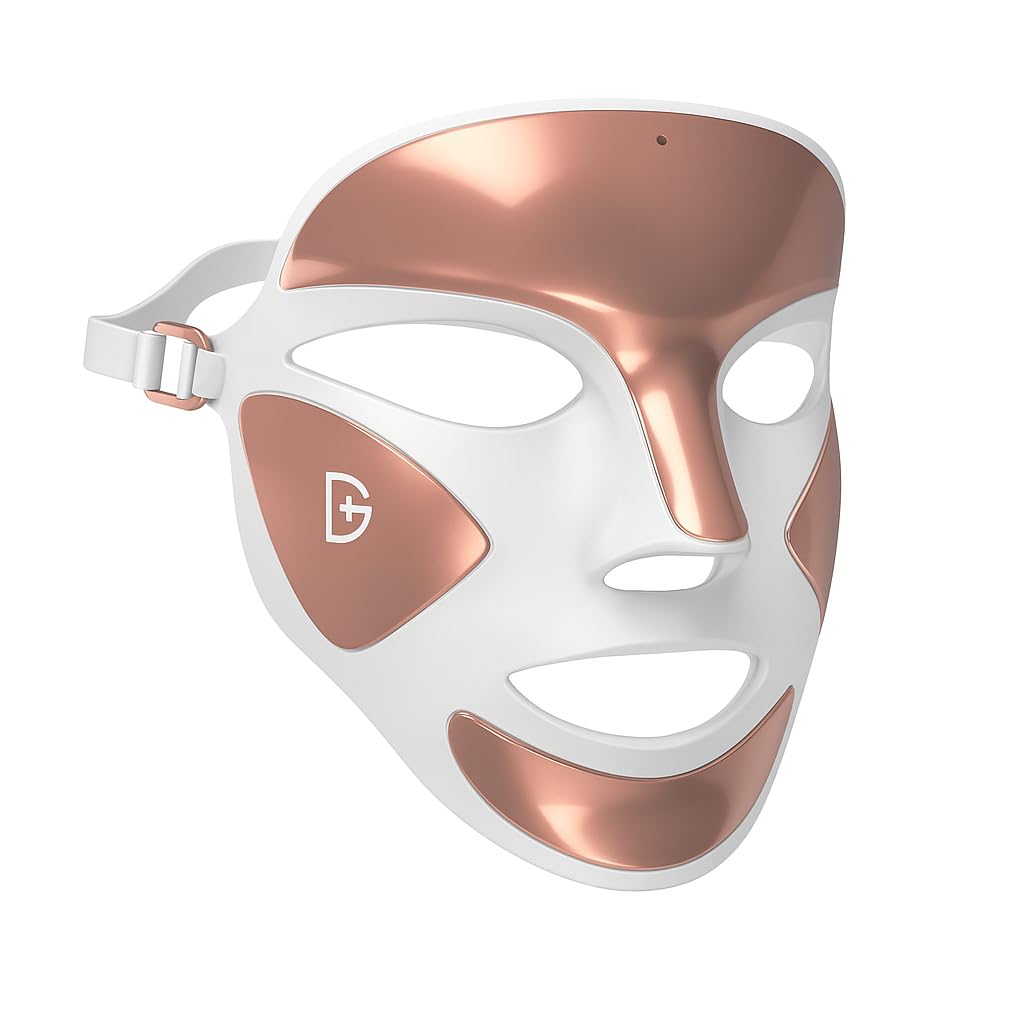 | 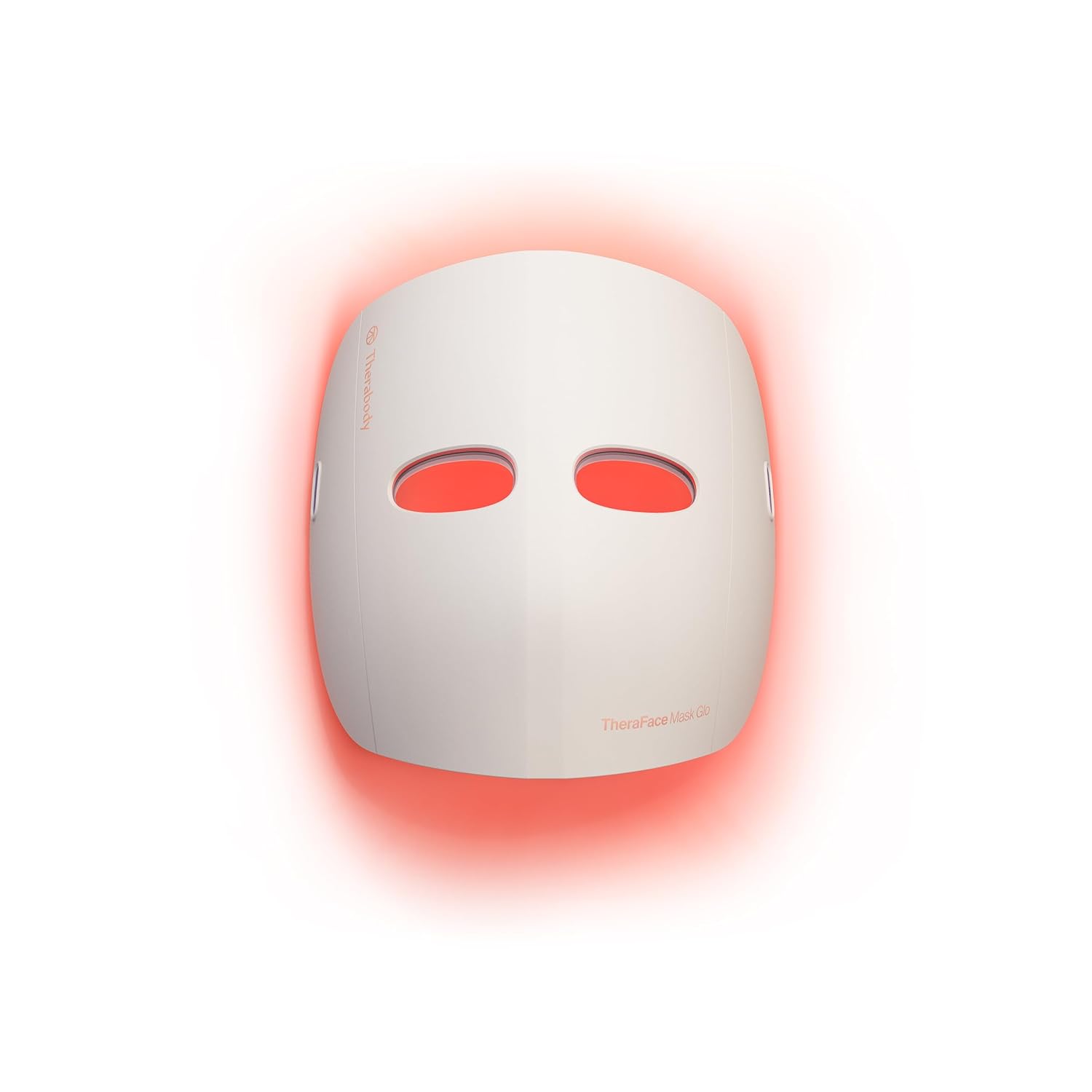 | 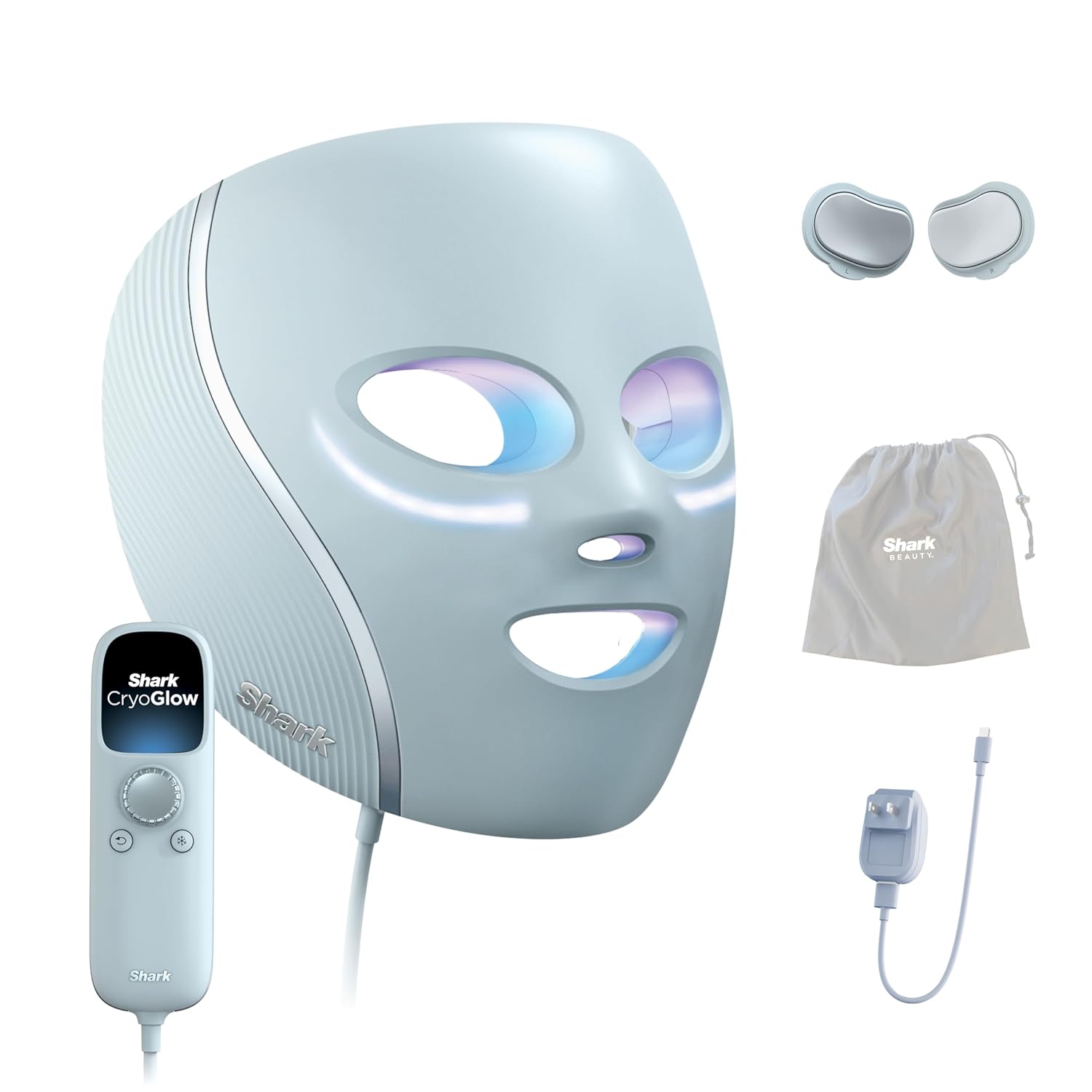 | |
Best for | Overall anti-aging simplicity | Tech-forward multi-wavelength options | Ultra-busy routines | LED + relaxation vibes | Puffy under-eyes + multi-goal |
Red/NIR focus | Red 633nm + NIR | Red 633nm + NIR 830nm (some add 1072nm) | Red mode (plus other modes) | Red 633nm + IR 830nm options (plus blue) | Red ~630nm + IR ~830nm in aging mode (plus other options) |
Typical session time | 10 min | Often presented as 10 min in coverage; varies by model | 3 min | Guided routine commonly ~9 min (version-dependent) | LED modes ~4–8 min; cooling can run longer |
Standout feature | Straightforward “gold standard” pairing | Deep NIR options (some models) | Fastest habit-builder | Gentle vibration + LED | Under-eye cooling |
Who should skip | If you want bells/whistles | If you want the simplest setup | If you want “spa experience” | If you hate vibration/weight | If you hate bulky gadgets/noise |
Price |  | | | | |
How We Crush Other Boring Lists
Most top-ranking “best LED face mask” articles fall into the same traps:
- They define “best” as “most popular,” then list products. No real criteria, no clarity.
- They skip dosing (irradiance/fluence) because it’s harder to explain—yet dose often determines results.
- They barely address pigmentation + melasma nuance, even though derms are increasingly talking about heat-triggered worsening for some people.
- They ignore habit engineering: comfort, session length, straps, heat, and “will I quit?” factors.
So this guide does what competitors don’t: it gives you a decision system you can use on any mask.
What Best LED Face Mask Actually Means
Think of “best” as four stacked layers:
- Wavelengths match your goal
- Dose is meaningful (power × time)
- Design is wearable (so you stay consistent)
- Safety fits your skin and meds
If one layer fails, the whole thing underperforms.
- Best “buy once, use forever” anti-aging pick: Omnilux Contour Face (simple, clinically standard red + near-infrared combo).
- Best for spec-lovers (more wavelengths, more tech): CurrentBody Skin LED Mask (adds deep near-infrared options depending on model).
- Best “I only have 3 minutes” mask: Dr. Dennis Gross SpectraLite FaceWare Pro.
- Best if you want LED + relaxation: Therabody TheraFace Mask (LED + gentle vibration).
- Best for tired, puffy under-eyes (instant payoff): Shark CryoGlow (LED + under-eye cooling).
1) Pick the right light color for your goal
Most masks mix colors. That’s not automatically better—it just means you need to match the tool to the job.
Red light (commonly ~630–660 nm)
Used for “rejuvenation” goals: fine lines, texture, overall glow. Studies using ~630 nm in home-use mask contexts report improvements with good tolerability.
Near-infrared / infrared (commonly ~830–850 nm)
Often paired with red for deeper support (collagen pathways, recovery-style benefits). Home-use studies commonly pair ~630 nm with ~850 nm.
Blue light (often ~415 nm)
Used for acne because it targets acne-related bacteria pathways, but it’s the color you should be most thoughtful about if you’re prone to hyperpigmentation/melasma (more on that below).
LuxuryShimmer rule: If your main goal is anti-aging/glow, you usually want red + near-infrared as the core. Extra colors are optional, not required.
Feature | |||||
|---|---|---|---|---|---|
| | | | | |
Best for | Overall anti-aging simplicity | Tech-forward multi-wavelength options | Ultra-busy routines | LED + relaxation vibes | Puffy under-eyes + multi-goal |
Red/NIR focus | Red 633nm + NIR | Red 633nm + NIR 830nm (some add 1072nm) | Red mode (plus other modes) | Red 633nm + IR 830nm options (plus blue) | Red ~630nm + IR ~830nm in aging mode (plus other options) |
Typical session time | 10 min | Often presented as 10 min in coverage; varies by model | 3 min | Guided routine commonly ~9 min (version-dependent) | LED modes ~4–8 min; cooling can run longer |
Standout feature | Straightforward “gold standard” pairing | Deep NIR options (some models) | Fastest habit-builder | Gentle vibration + LED | Under-eye cooling |
Who should skip | If you want bells/whistles | If you want the simplest setup | If you want “spa experience” | If you hate vibration/weight | If you hate bulky gadgets/noise |
Price | | | | | |
2) Dose: the part that separates “cute gadget” from “results”
Here’s the missing piece in most competitor articles: wavelengths alone don’t guarantee performance.
You want either (or both):
- Irradiance (mW/cm²): how strong the light is at your skin
- Fluence (J/cm²): total energy delivered over time (your “dose”)
A simplified way to think about it:
Dose ≈ power × time.
So a mask can be effective with shorter sessions if the dose is designed for it, or require longer sessions if it isn’t.
What to look for (green flags):
- Wavelengths listed in nm
- Session time + frequency protocol
- Irradiance or fluence published (even if it’s in a PDF/spec sheet)
Red flag: “Clinically proven” with no wavelengths and no dosing info.
3) Comfort and routine design: the real reason people don’t get results
This is where “best” becomes personal.
Ask yourself:
- Can I wear this for the full session without constantly adjusting it?
- Does it have a timer so I don’t guess?
- Does it feel too hot, too heavy, or claustrophobic?
- Will it fit into my real life (after cleansing, before bed, while scrolling)?
Recent editorial coverage of 2026 masks emphasizes improved wearability and flexible designs because brands finally realized: comfort = compliance.
4) Safety and contraindications you shouldn’t ignore
LED therapy is widely described as relatively low-risk, but reputable health guidance still emphasizes:
- choose devices that are FDA-cleared (where applicable)
- follow instructions
- use eye protection when recommended
Also, be cautious or consult a clinician if you:
- have a known light-sensitivity condition
- take photosensitizing medications
- have certain eye/retinal conditions (varies by guidance)
The melasma / hyperpigmentation nuance (read this if you’re pigment-prone)
This is the conversation most “best LED mask” lists avoid.
Dermatologists have reported cases where at-home LED masks worsened melasma, with heat suspected as a trigger, and some discussion around infrared/blue wavelengths in susceptible individuals.
There’s also research showing blue light exposure at sufficient doses can affect pigmentation, including in melasma contexts.
If you’re melasma-prone, your safest approach is “cautious and observant”:
- avoid overheating (don’t stack mask use with other heat triggers)
- start with shorter frequency
- stop if you notice dark patches worsening and talk to a derm
The “best LED face mask” checklist (use this to evaluate any option)
Copy/paste this into your notes when you shop:
- ✅ Wavelengths listed (nm)
- ✅ Matches your goal (red/NIR for aging; blue only if acne is a priority)
- ✅ Dose info exists (irradiance mW/cm² and/or fluence J/cm²)
- ✅ Session time fits your life (timer included)
- ✅ Comfortable enough to finish sessions consistently
- ✅ Clear safety guidance + eye precautions
- ✅ If pigment-prone: cautious heat management; monitor for melasma changes
FAQ: Top LED Face Mask
Do LED face masks actually work?
They can. Home-use clinical research supports that specific wavelength pairings (e.g., red around ~630 nm with near-infrared around ~850 nm) can be effective and well-tolerated for rejuvenation when used consistently.
How long does it take to see results?
Typically weeks, not days. Most protocols are designed around regular use over multiple weeks before judging changes.
What matters more: LED count or power?
Power/dose tends to matter more than raw LED count. Look for irradiance/fluence and a realistic session protocol.
What wavelengths are best in an LED face mask?
For anti-aging/glow, red (often ~630–660 nm) plus near-infrared (often ~830–850 nm) is a common evidence-aligned pairing.
Can LED masks make melasma worse?
They can for some people, especially if heat triggers their pigmentation. If you’re melasma-prone, use caution and monitor closely.
Are LED masks safe for at-home use?
Generally described as relatively low-risk when used correctly, but follow safety instructions, consider eye protection, and watch contraindications (light sensitivity, photosensitizing meds, certain eye conditions).
Bottom line
The best LED face mask isn’t a specific brand—it’s a spec-and-habit match:
- Right wavelengths for your goal
- Meaningful dose (not just “lots of LEDs”)
- Wearable design you’ll actually keep using
- Safety fit for your skin (especially if pigment-prone)
What’s your skin goal? Be sure to tell me in the comments.
Other Interesting Articles
- Best Red Light Therapy Mask (2026): Top 5 Worth the Money
- Shark CryoGlow vs Solawave Mask: Which LED Mask Is the Smarter Buy?
- Shark CryoGlow vs TheraFace Mask: Which LED Face Mask Is Actually Worth It?
- Shark CryoGlow vs Omnilux: Which Red Light Mask is Best?
About LuxuryShimmer
LuxuryShimmer breaks down beauty tech the way you’d explain it to a friend: what matters, what doesn’t, and what you’ll realistically keep using.