I'm a participant in the Amazon Services LLC Associates Program, an affiliate advertising program designed to provide a means for me to earn fees by linking to Amazon.com and affiliated sites.
Looking for the best light therapy mask? We’re here to help guide you through these numerous products to ensure you land on the right one, not just one that has fancy specs or clever wording. You want to choose the right one for your skin type and needs. Our experts will ensure you find exactly what you need.
You’re asking:
- Does this stuff really work?
- Which type is right for my skin concerns?
- How do I avoid buying an expensive gadget I’ll stop using?
Here’s the verdict upfront—because most competitors bury it:
The best light therapy mask is the one that matches your skin goal, delivers a meaningful light dose, and fits into your life well enough that you’ll use it consistently.
Everything else—brand hype, influencer buzz, LED counts—is secondary.
This is a pure information guide. Just a decision framework you can actually use.
Best Light Therapy Mask Comparison Table
Feature | |||||
|---|---|---|---|---|---|
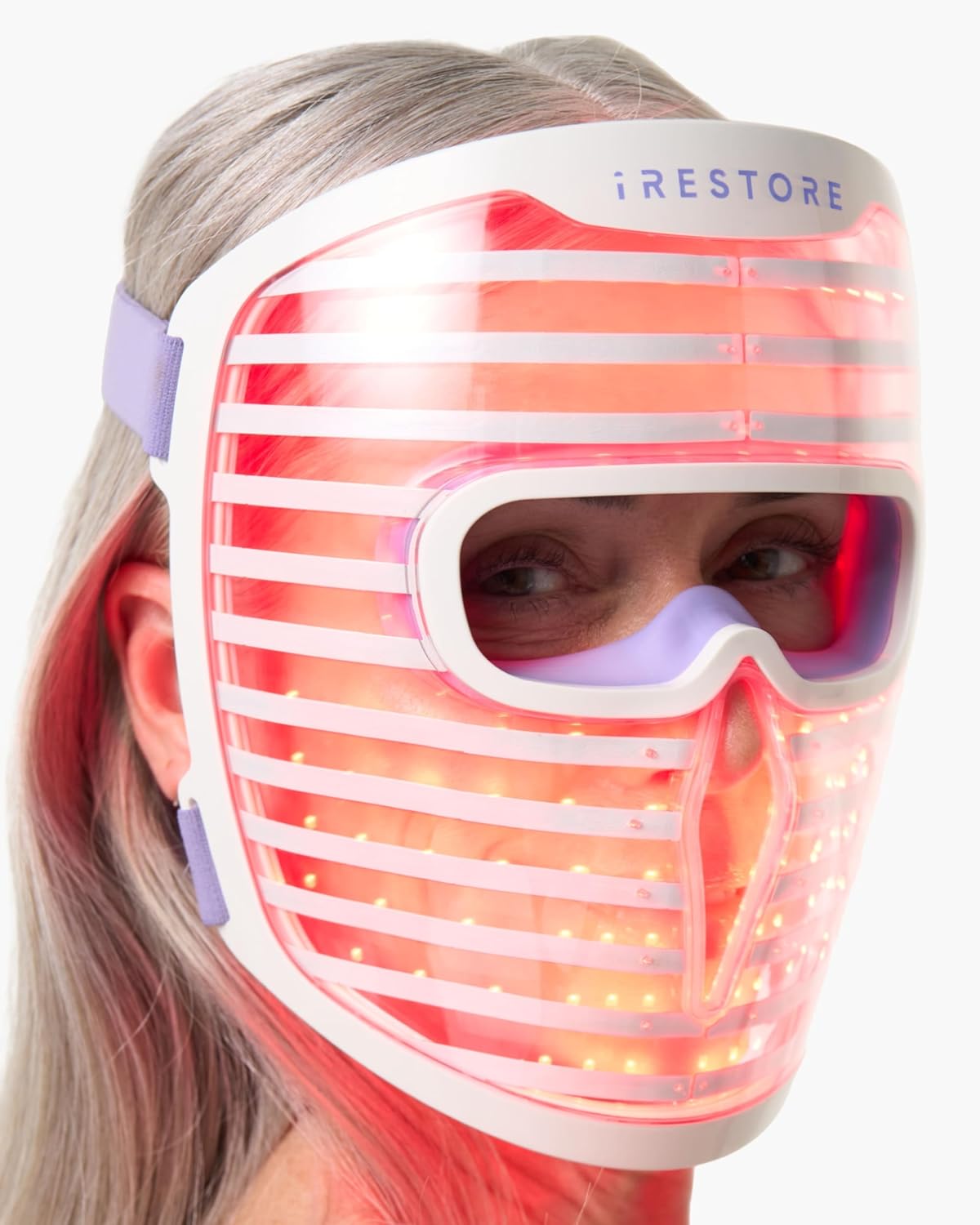 | 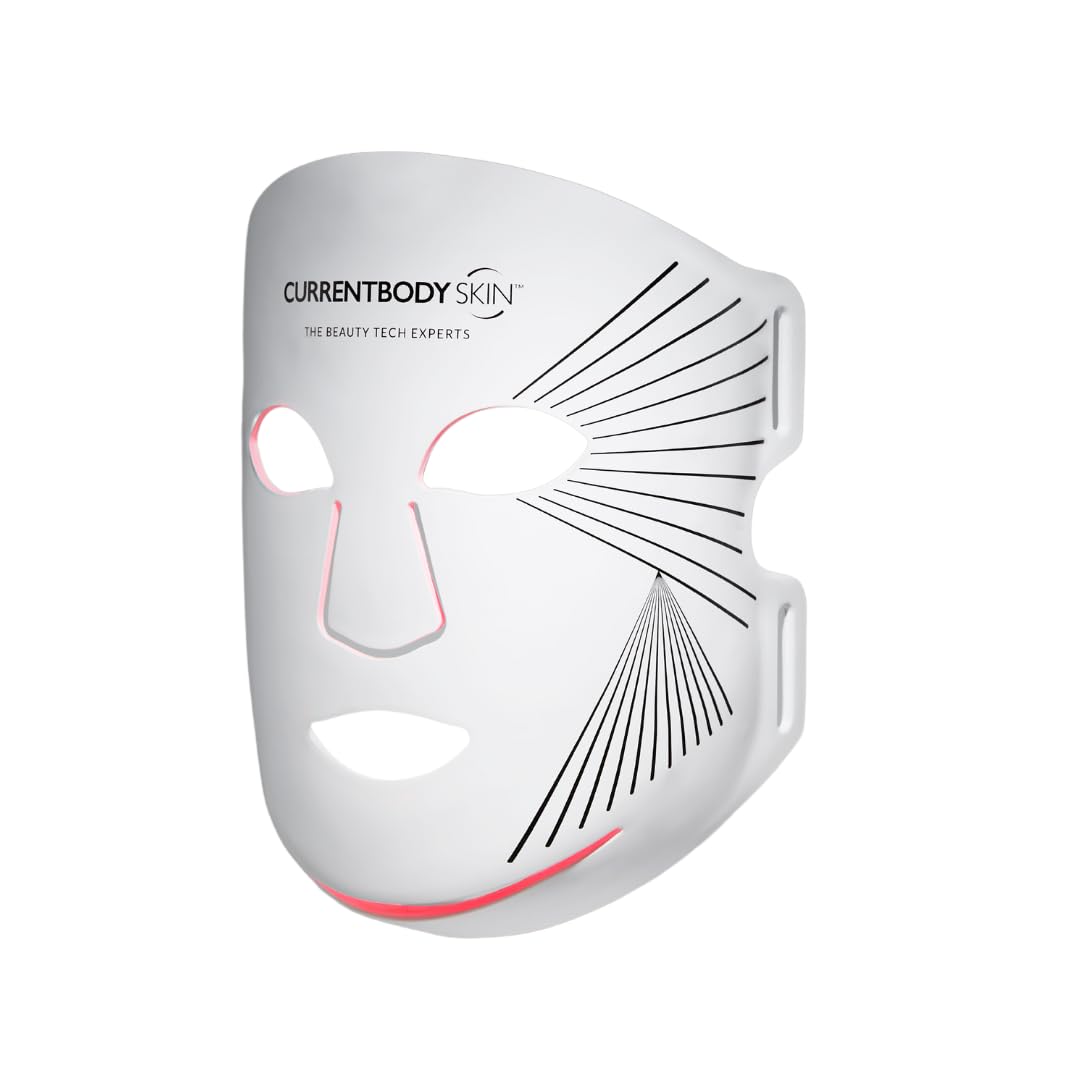 | 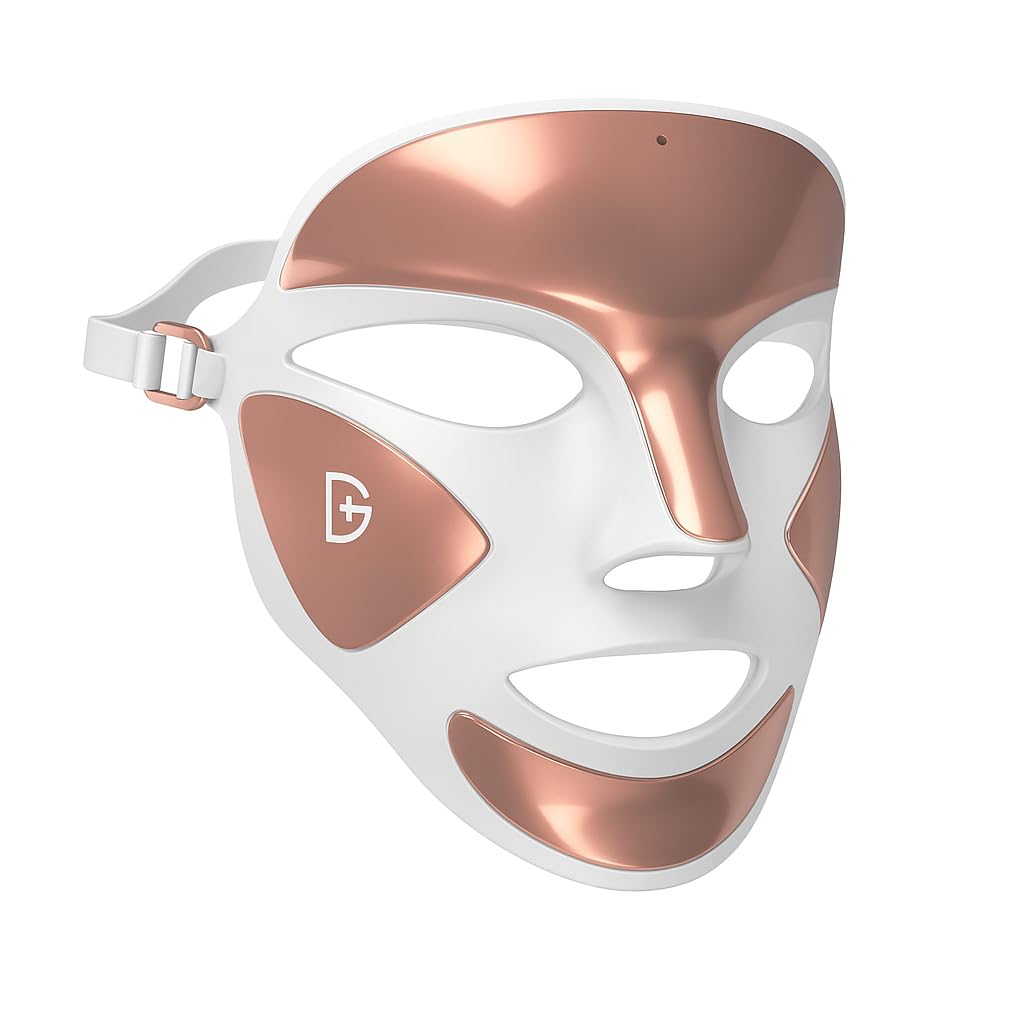 |  |  | |
Best for | Overall anti-aging simplicity | Tech-forward multi-wavelength options | Ultra-busy routines | LED + relaxation vibes | Puffy under-eyes + multi-goal |
Red/NIR focus | Red 633nm + NIR | Red 633nm + NIR 830nm (some add 1072nm) | Red mode (plus other modes) | Red 633nm + IR 830nm options (plus blue) | Red ~630nm + IR ~830nm in aging mode (plus other options) |
Typical session time | 10 min | Often presented as 10 min in coverage; varies by model | 3 min | Guided routine commonly ~9 min (version-dependent) | LED modes ~4–8 min; cooling can run longer |
Standout feature | Straightforward “gold standard” pairing | Deep NIR options (some models) | Fastest habit-builder | Gentle vibration + LED | Under-eye cooling |
Who should skip | If you want bells/whistles | If you want the simplest setup | If you want “spa experience” | If you hate vibration/weight | If you hate bulky gadgets/noise |
Price |  | | | | |
What Our Competitors Ignore
After analyzing current SERP patterns, most “best light therapy mask” articles fail in the same ways:
- They never define “best.”
Best for acne ≠ best for aging ≠ best for sensitive or pigment-prone skin. - They oversimplify light types.
“More colors” is not automatically better—and sometimes worse. - They ignore dose and routine design.
Results depend on how much light you get and how often, not just what color it is. - They skip real safety nuance.
Especially around pigmentation, heat sensitivity, and overuse. - They don’t optimize for habit formation.
Comfort and session length matter more than specs once the device is in your house.
This article ranks better by answering the questions people actually have—and Google increasingly rewards that.
What is a light therapy mask?
A light therapy mask is a wearable device that places LEDs close to the skin to deliver specific wavelengths of light. These wavelengths interact with skin cells in different ways depending on color, intensity, and exposure time.
Most consumer masks focus on visible light (like red or blue) and near-infrared light, not UV.
- Best “buy once, use forever” anti-aging pick: Omnilux Contour Face (simple, clinically standard red + near-infrared combo).
- Best for spec-lovers (more wavelengths, more tech): CurrentBody Skin LED Mask (adds deep near-infrared options depending on model).
- Best “I only have 3 minutes” mask: Dr. Dennis Gross SpectraLite FaceWare Pro.
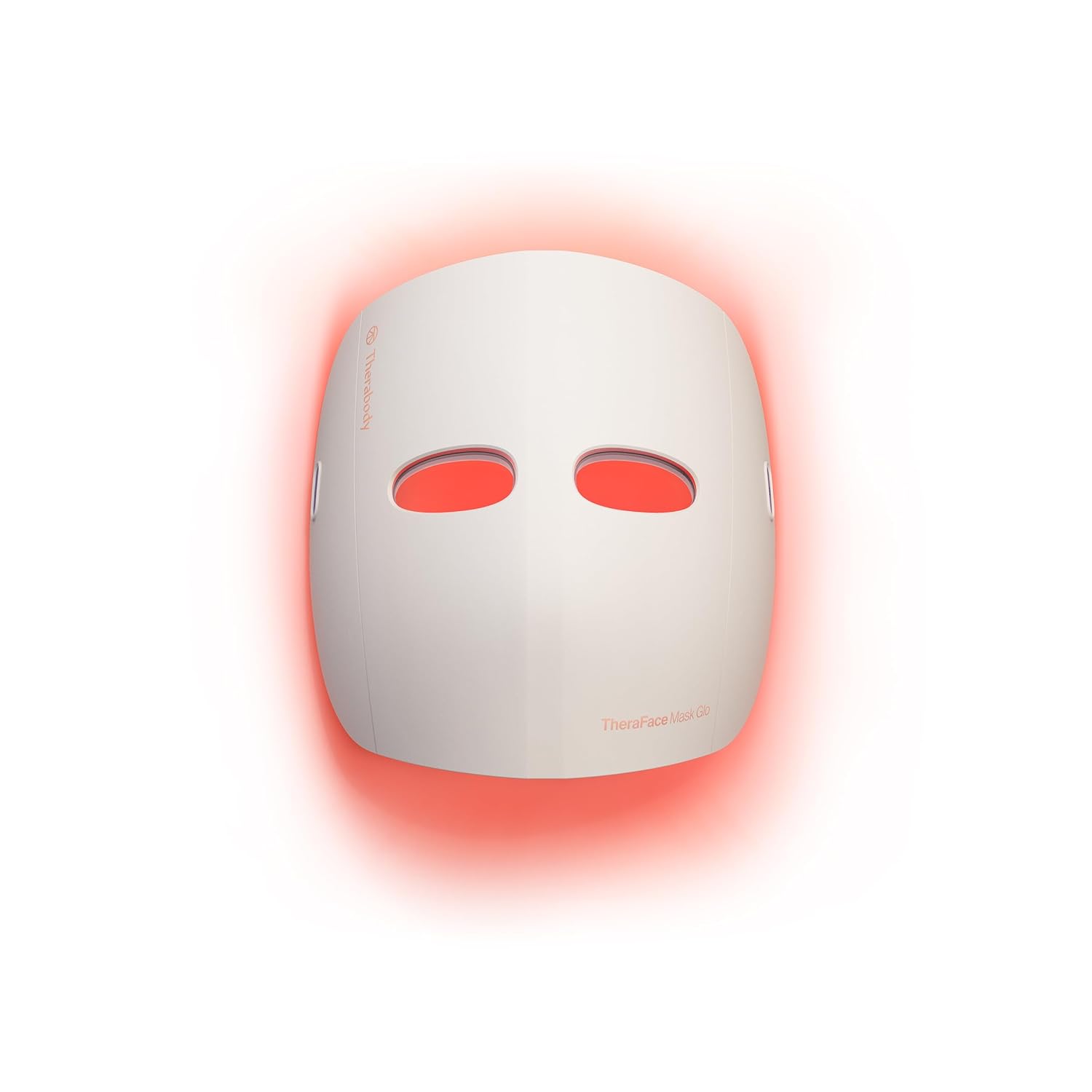
- Best if you want LED + relaxation: Therabody TheraFace Mask (LED + gentle vibration).
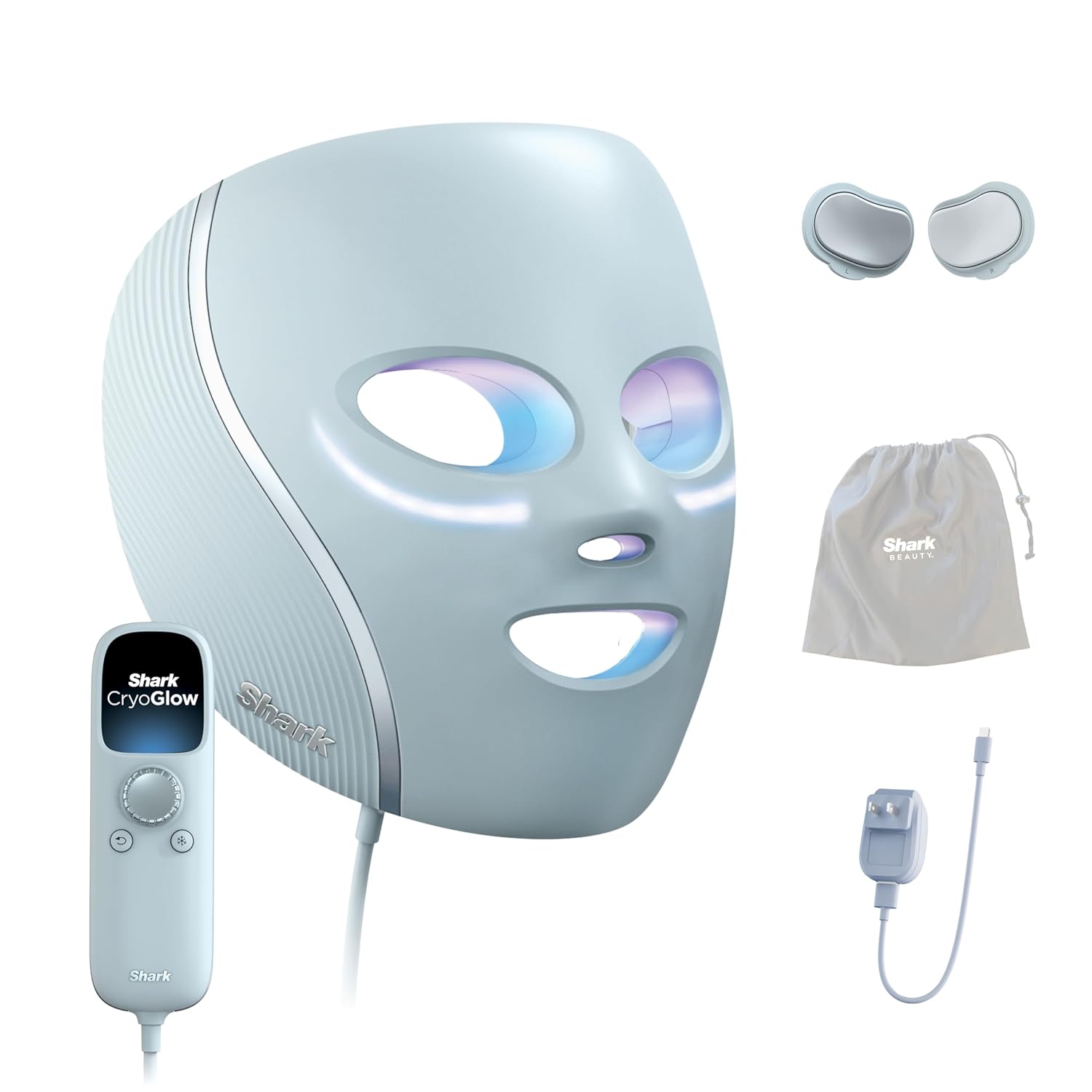
- Best for tired, puffy under-eyes (instant payoff): Shark CryoGlow (LED + under-eye cooling).
Step 1: Match the light color to your goal
“Best” starts with choosing the right type of light, not the most features.
Red light (commonly ~630–660 nm)
Often used for:
- Fine lines and wrinkles
- Overall skin texture
- Dullness and redness
Red light is typically associated with collagen-related pathways and inflammation reduction when used consistently.
Near-infrared light (commonly ~830–850 nm)
Often paired with red light for:
- Deeper tissue support
- Healing and recovery-style benefits
Near-infrared penetrates deeper than visible red, which is why the two are often combined.
Blue light (commonly ~415 nm)
Most commonly used for:
- Acne-prone skin
Blue light targets acne-related bacteria, but it requires more nuance (see pigmentation section below).
Key takeaway:
If your goal is anti-aging or glow, red + near-infrared is usually the core.
Blue light is goal-specific, not mandatory.
Feature | |||||
|---|---|---|---|---|---|
| | | | | |
Best for | Overall anti-aging simplicity | Tech-forward multi-wavelength options | Ultra-busy routines | LED + relaxation vibes | Puffy under-eyes + multi-goal |
Red/NIR focus | Red 633nm + NIR | Red 633nm + NIR 830nm (some add 1072nm) | Red mode (plus other modes) | Red 633nm + IR 830nm options (plus blue) | Red ~630nm + IR ~830nm in aging mode (plus other options) |
Typical session time | 10 min | Often presented as 10 min in coverage; varies by model | 3 min | Guided routine commonly ~9 min (version-dependent) | LED modes ~4–8 min; cooling can run longer |
Standout feature | Straightforward “gold standard” pairing | Deep NIR options (some models) | Fastest habit-builder | Gentle vibration + LED | Under-eye cooling |
Who should skip | If you want bells/whistles | If you want the simplest setup | If you want “spa experience” | If you hate vibration/weight | If you hate bulky gadgets/noise |
Price | | | | | |
Step 2: Understand dose (this is where “best” is decided)
Most competitor articles barely mention this—but dose is critical.
Two concepts matter:
- Irradiance (mW/cm²): how strong the light is at the skin
- Fluence (J/cm²): total energy delivered over time
In simple terms:
Dose ≈ light strength × time
That means:
- A short session can be effective if the dose is designed that way
- A long session can still be weak if the intensity is low
A mask can have the “right” wavelengths and still underperform if the dose is inadequate—or if the session is so long you don’t stick with it.
What strong educational pages include (and many competitors don’t):
- Wavelengths listed in nanometers (nm)
- Session length and frequency guidance
- Some reference to power or total dose
If none of that exists, you’re evaluating marketing—not performance.
Step 3: Routine design (the hidden ranking factor)
In real life, results come from consistency, not perfection.
Ask yourself:
- Can I wear this for the full session without adjusting it?
- Does it have a timer so I don’t guess?
- Does it feel too hot, heavy, or claustrophobic?
- Will I realistically do this multiple times per week?
Editorial testing across beauty tech consistently shows the same thing:
Comfort and ease determine whether people keep using a mask past week two.
A technically “better” mask that you stop using loses to a “good enough” one you actually wear.
Step 4: Safety and who should be cautious
Light therapy masks are generally designed without UV light, but they still require responsible use.
You should be cautious or consult a professional if you:
- Have light sensitivity disorders
- Take photosensitizing medications
- Have certain eye conditions
- Have a history of skin cancer
Eye protection guidance should always be clear. If instructions are vague, that’s a quality red flag.
Step 5: Pigmentation and melasma nuance (often ignored)
This is one of the biggest gaps in competitor content.
Some dermatologists report seeing worsening melasma or hyperpigmentation in certain users of light therapy masks. Heat is often suspected as a contributing factor, and blue light may play a role in susceptible individuals.
If you are pigment-prone:
- Avoid stacking heat triggers (hot showers, saunas, intense workouts + mask use)
- Start conservatively
- Monitor your skin closely
- Stop if discoloration worsens and consult a dermatologist
“Best” is not universal—it’s contextual.
The Best Light Therapy Mask Checklist
You don’t need brand names if you have the right filter.
A high-quality light therapy mask should:
- Clearly list wavelengths (nm)
- Match your primary skin goal
- Provide realistic session timing
- Include a timer or guided cycle
- Fit comfortably without slipping
- Include clear safety and eye guidance
- Make sense for your lifestyle (frequency you can maintain)
If a mask fails two or more of these, it’s not “best”—no matter how viral it is.
FAQ: Best Light Therapy Mask
Do light therapy masks actually work?
They can, especially for gradual improvements in texture, tone, and breakouts—but only with consistent use over weeks.
How long does it take to see results?
Most people should expect weeks, not days. Light therapy is cumulative.
Is red light better than other colors?
For aging and glow, red (often paired with near-infrared) is the most commonly used foundation. Other colors are goal-specific.
Can light therapy make pigmentation worse?
In some people, yes—especially those prone to melasma or heat-triggered discoloration. Monitoring and moderation matter.
Is it safe to use a light therapy mask at home?
Generally considered low-risk when used correctly, but safety depends on following instructions and respecting contraindications.
Bottom line
The best light therapy mask isn’t defined by brand, price, or LED count.
It’s defined by:
- The right light for your goal
- A meaningful dose
- A design you’ll actually use
- Safety that fits your skin type
Why do you want a light therapy mask? What are you hoping to gain? Let me know in the comments and let’s discuss it as a community.
Other Interesting Articles
- Best Red Light Therapy Mask (2026): Top 5 Worth the Money
- Shark CryoGlow vs Solawave Mask: Which LED Mask Is the Smarter Buy?
- Shark CryoGlow vs TheraFace Mask: Which LED Face Mask Is Actually Worth It?
- Shark CryoGlow vs Omnilux: Which Red Light Mask is Best?
About LuxuryShimmer
LuxuryShimmer breaks down beauty tech the way you’d explain it to a friend: what matters, what doesn’t, and what you’ll realistically keep using.