I'm a participant in the Amazon Services LLC Associates Program, an affiliate advertising program designed to provide a means for me to earn fees by linking to Amazon.com and affiliated sites.
If you’re asking “Do LED face masks actually work for wrinkles?”, you’re not looking for hype, you’re looking for proof. You want to know whether these masks do anything meaningful for fine lines, or whether they’re just expensive glow gadgets.
Here’s the clear, evidence-based answer up front:
LED face masks can improve the appearance of wrinkles over time, but only when the right wavelengths are used, the dose is sufficient, and the routine is consistent.
They don’t replace injectables or procedures. They do support gradual skin improvement when used correctly.
This article fills the gaps most competitors leave out: how LED works biologically, what the evidence actually shows, why results vary wildly, and how to tell whether a mask is doing anything at all.
Recommended LED Face Masks
Feature | |||||
|---|---|---|---|---|---|
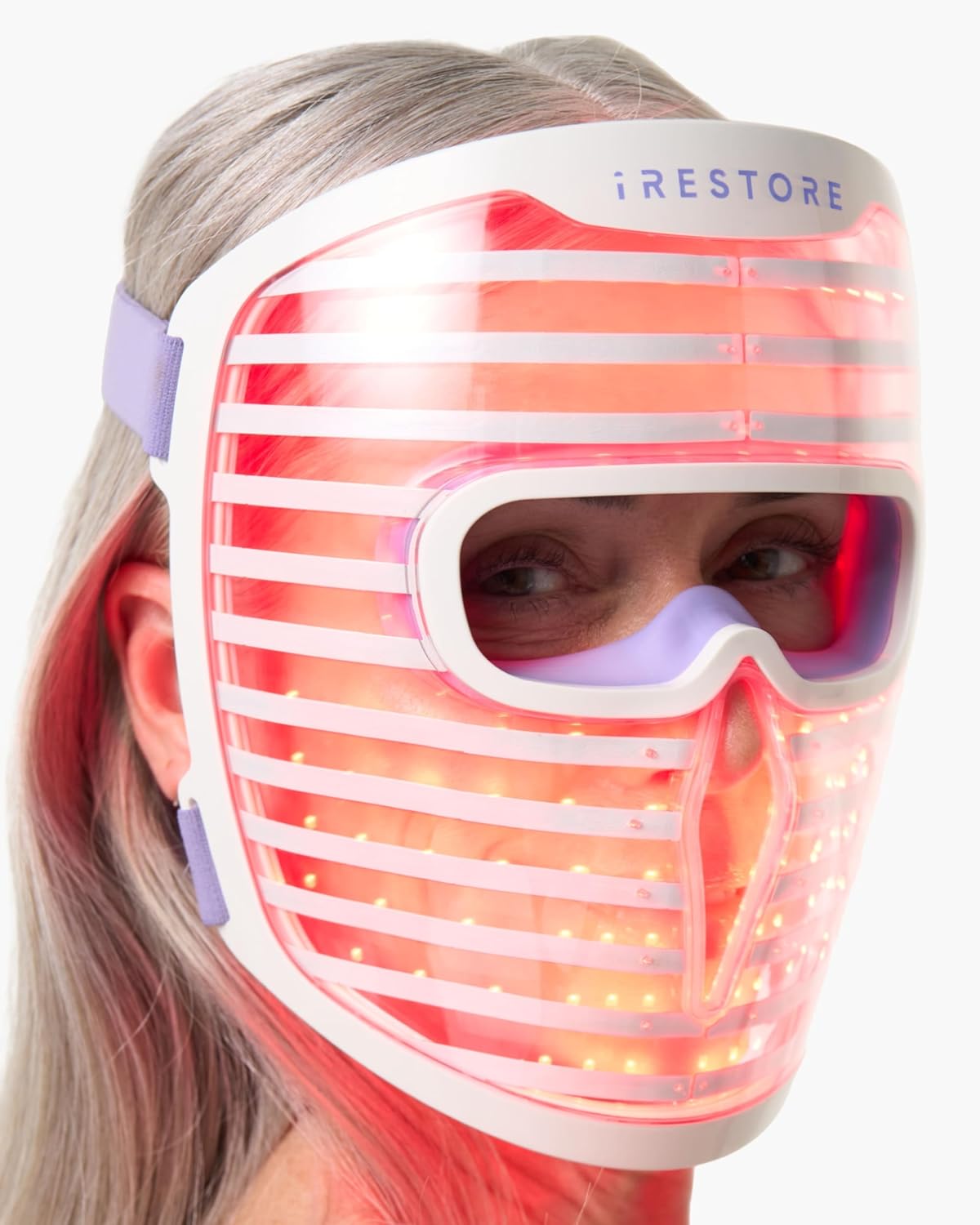 | 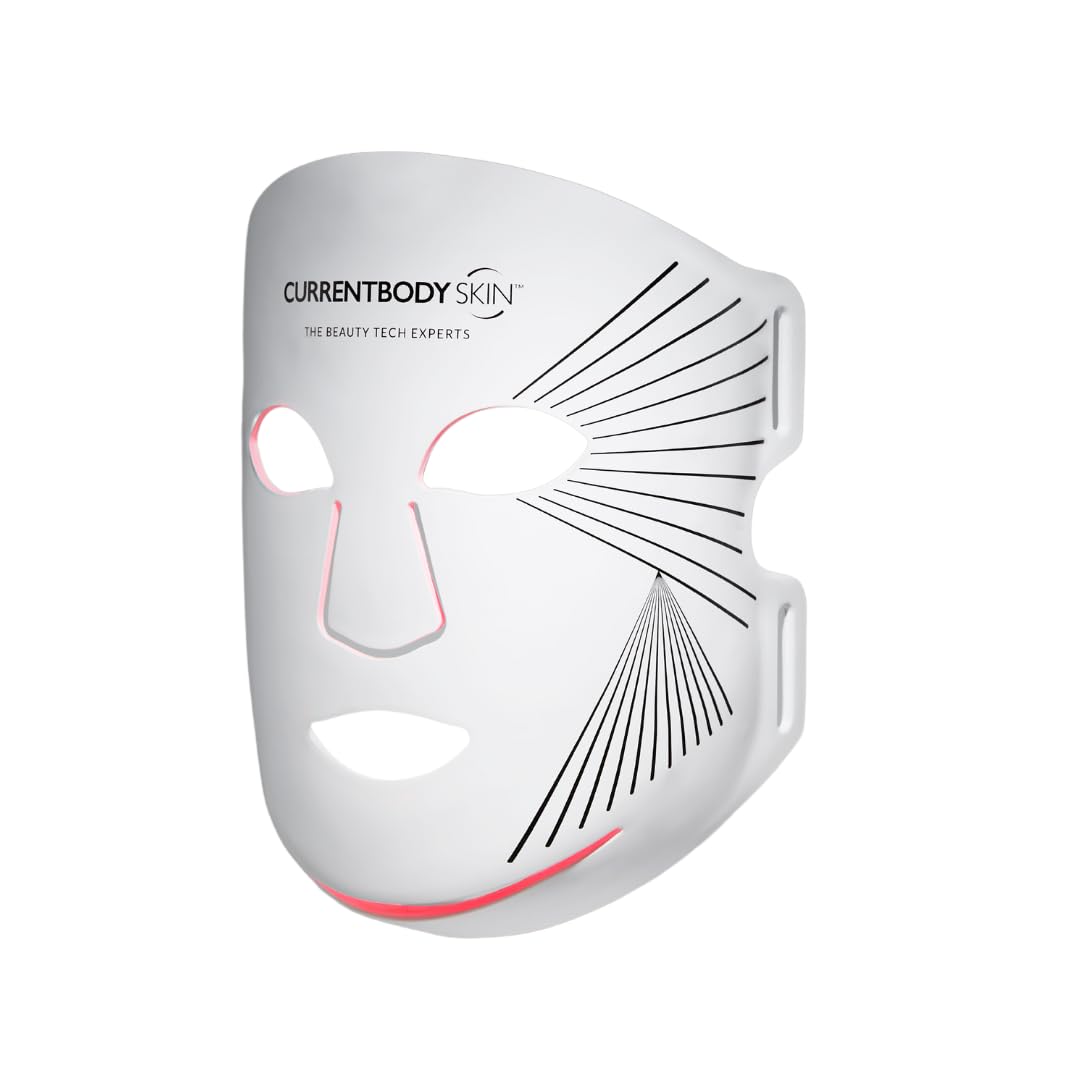 | 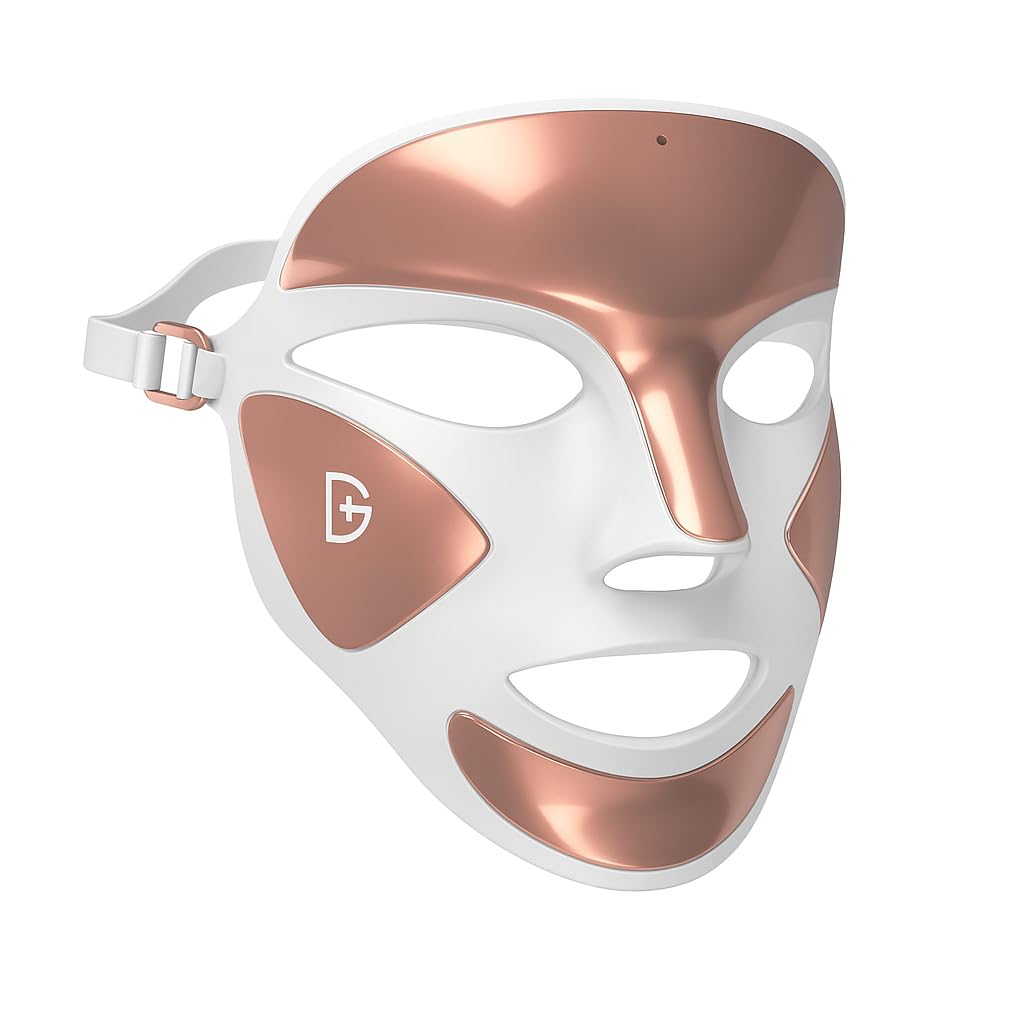 | 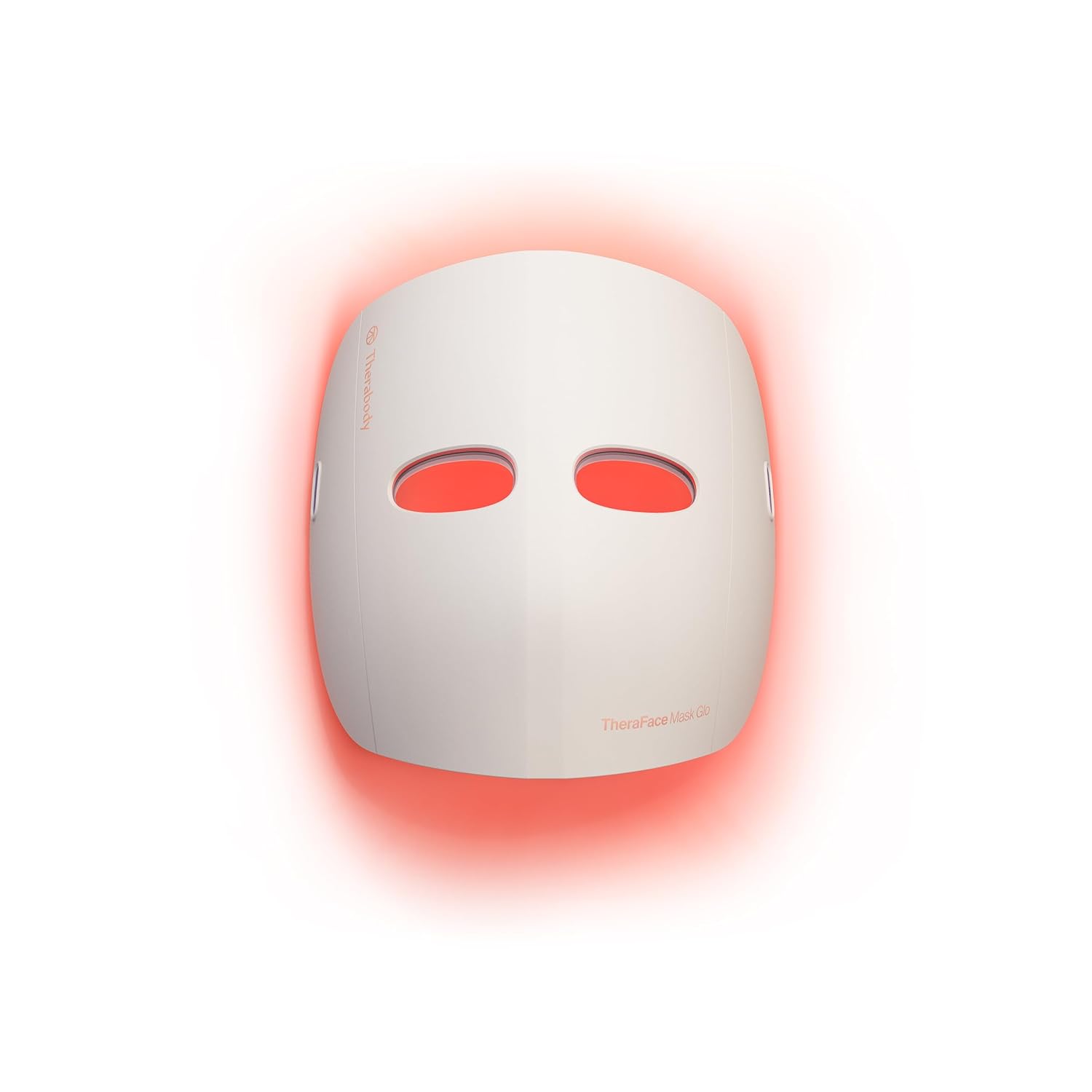 | 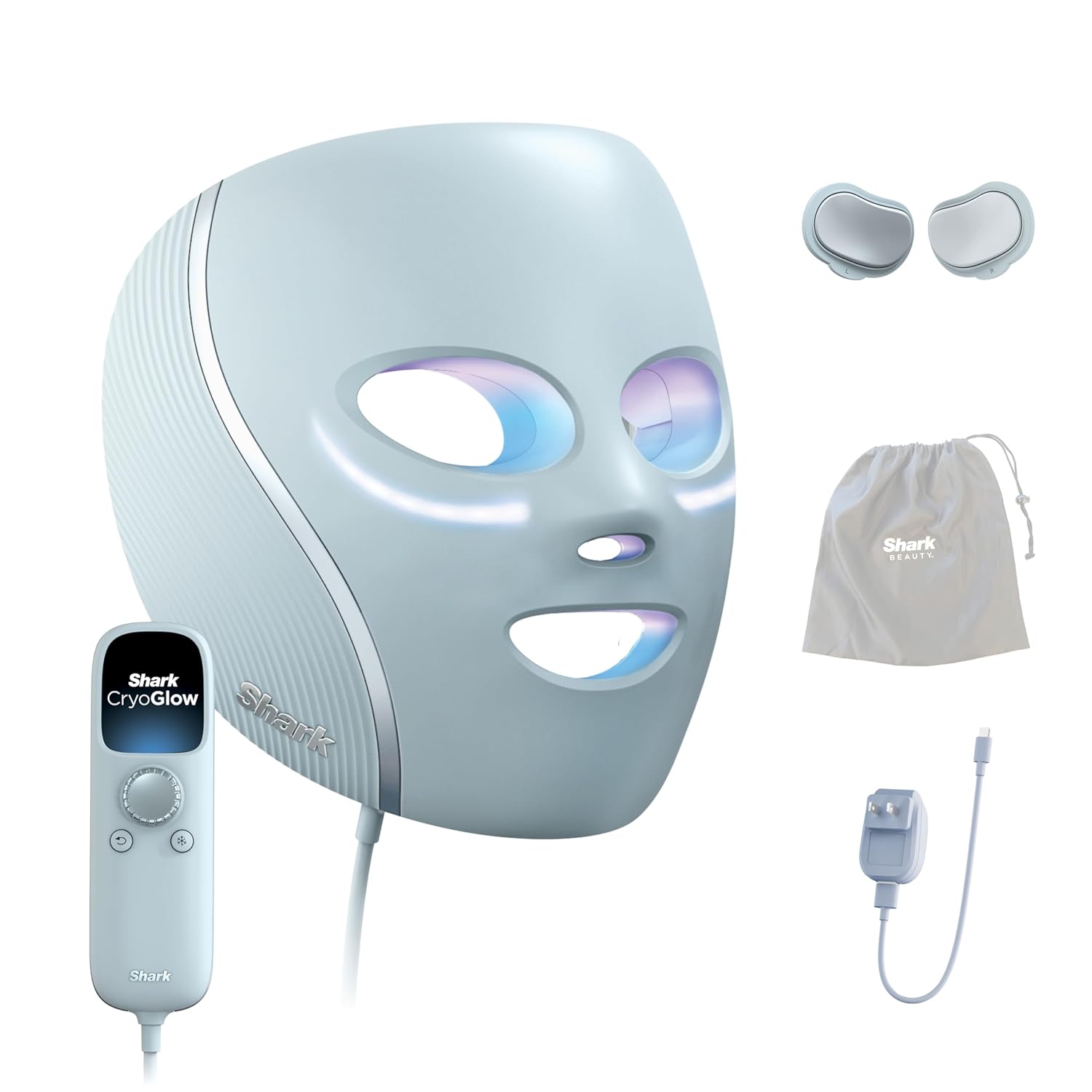 | |
Best for | Overall anti-aging simplicity | Tech-forward multi-wavelength options | Ultra-busy routines | LED + relaxation vibes | Puffy under-eyes + multi-goal |
Red/NIR focus | Red 633nm + NIR | Red 633nm + NIR 830nm (some add 1072nm) | Red mode (plus other modes) | Red 633nm + IR 830nm options (plus blue) | Red ~630nm + IR ~830nm in aging mode (plus other options) |
Typical session time | 10 min | Often presented as 10 min in coverage; varies by model | 3 min | Guided routine commonly ~9 min (version-dependent) | LED modes ~4–8 min; cooling can run longer |
Standout feature | Straightforward “gold standard” pairing | Deep NIR options (some models) | Fastest habit-builder | Gentle vibration + LED | Under-eye cooling |
Who should skip | If you want bells/whistles | If you want the simplest setup | If you want “spa experience” | If you hate vibration/weight | If you hate bulky gadgets/noise |
Price |  | | | | |
What Our Competitors Won’t Tell You
After reviewing top-ranking pages for this topic, the same issues appear repeatedly:
- They say “yes, it works” without defining how much or for whom.
- They confuse glow with wrinkle improvement.
- They skip dose entirely, focusing only on color names like “red light.”
- They don’t explain why some people see results and others don’t.
- They ignore heat, pigmentation risk, and overuse concerns.
This article ranks better by answering the real question:
Under what conditions does LED meaningfully help wrinkles — and when does it not?
What wrinkles actually are (and why this matters)
Wrinkles form due to a combination of:
- collagen loss
- elastin degradation
- repeated facial movement
- UV exposure and oxidative stress
- slowed cellular turnover with age
No topical or device reverses all of that. So when we ask whether LED “works,” the real question is:
Can LED light meaningfully influence collagen pathways and skin structure enough to soften the appearance of wrinkles?
That’s where the evidence matters.
- Best “buy once, use forever” anti-aging pick: Omnilux Contour Face (simple, clinically standard red + near-infrared combo).
- Best for spec-lovers (more wavelengths, more tech): CurrentBody Skin LED Mask (adds deep near-infrared options depending on model).
- Best “I only have 3 minutes” mask: Dr. Dennis Gross SpectraLite FaceWare Pro.
- Best if you want LED + relaxation: Therabody TheraFace Mask (LED + gentle vibration).
- Best for tired, puffy under-eyes (instant payoff): Shark CryoGlow (LED + under-eye cooling).
How LED light interacts with wrinkle-prone skin
Red light (commonly ~630–660 nm)
Red light is the most studied wavelength range for skin rejuvenation. Research suggests it can:
- stimulate fibroblast activity
- support collagen production
- reduce low-grade inflammation that worsens skin aging
This doesn’t “fill” wrinkles overnight — it supports gradual structural improvement.
Near-infrared light (commonly ~830–850 nm)
Near-infrared (NIR) penetrates deeper than visible red light. It’s often paired with red because it:
- reaches deeper dermal layers
- supports cellular energy production (ATP)
- complements red light’s surface-level effects
Many clinical LED rejuvenation studies use red + NIR together, not red alone.
Key takeaway:
If an LED mask isn’t delivering red and/or near-infrared light in these ranges, it’s not optimized for wrinkles.
Feature | |||||
|---|---|---|---|---|---|
| | | | | |
Best for | Overall anti-aging simplicity | Tech-forward multi-wavelength options | Ultra-busy routines | LED + relaxation vibes | Puffy under-eyes + multi-goal |
Red/NIR focus | Red 633nm + NIR | Red 633nm + NIR 830nm (some add 1072nm) | Red mode (plus other modes) | Red 633nm + IR 830nm options (plus blue) | Red ~630nm + IR ~830nm in aging mode (plus other options) |
Typical session time | 10 min | Often presented as 10 min in coverage; varies by model | 3 min | Guided routine commonly ~9 min (version-dependent) | LED modes ~4–8 min; cooling can run longer |
Standout feature | Straightforward “gold standard” pairing | Deep NIR options (some models) | Fastest habit-builder | Gentle vibration + LED | Under-eye cooling |
Who should skip | If you want bells/whistles | If you want the simplest setup | If you want “spa experience” | If you hate vibration/weight | If you hate bulky gadgets/noise |
Price | | | | | |
The missing piece most articles skip: dose
This is where many consumers get misled.
Wrinkle improvement depends on how much light energy your skin actually receives, not just the color of the LEDs.
Two terms matter:
- Irradiance (mW/cm²): light strength at the skin
- Fluence (J/cm²): total energy delivered during a session
In simple terms:
Wrinkle benefit = appropriate wavelength × sufficient dose × consistent use
A mask can have the “right” light color and still do very little if:
- the light is weak
- sessions are too short for the dose delivered
- use is inconsistent
This explains why reviews are so mixed — people aren’t using the same protocols.
What the evidence actually supports (and what it doesn’t)
What LED can do for wrinkles
Evidence suggests LED light therapy can:
- soften fine lines
- improve skin texture
- enhance overall firmness and tone over time
These changes are typically:
- gradual
- subtle to moderate
- cumulative over weeks
What LED cannot do
LED masks do not:
- erase deep static wrinkles
- replace injectables, lasers, or surgery
- deliver instant or dramatic lifting
Any article claiming otherwise is overstating the science.
Why some people see results and others don’t
This is one of the biggest unanswered questions in competitor content.
People who tend to see improvement usually:
- use the mask consistently (several times per week)
- stick with it for weeks, not days
- pair LED with supportive skincare (moisturizers, sun protection)
- use appropriate wavelengths and dose
People who don’t see results often:
- stop too early
- use it sporadically
- expect instant smoothing
- use aggressive actives that counteract healing
- quit because the device is uncomfortable or inconvenient
Consistency matters more than perfection.
Heat, overuse, and pigmentation: the nuance most guides avoid
Some dermatologists report seeing worsened melasma or pigmentation in certain people using LED masks. Heat is often suspected as a contributing factor, especially when:
- sessions are long
- devices run warm
- users stack other heat triggers (hot showers, saunas, intense workouts)
Blue light — while useful for acne — has also been studied in pigmentation contexts and isn’t typically relevant for wrinkle treatment.
If you’re melasma-prone or pigment-sensitive:
- start conservatively
- avoid overuse
- stop if dark patches worsen
- consult a dermatologist if unsure
Wrinkle care should never come at the expense of pigmentation stability.
How long it realistically takes to see wrinkle improvement
Most evidence-based expectations fall into this range:
- Early changes: subtle texture or glow within a few weeks
- Wrinkle softening: typically requires consistent use over multiple weeks
- Maintenance: ongoing use is needed to sustain results
LED therapy is not a one-and-done intervention — it’s a maintenance tool.
How to tell if LED is actually helping your wrinkles
Ask these questions after several weeks of consistent use:
- Does my skin texture look smoother in consistent lighting?
- Do fine lines appear less etched, even if not gone?
- Does my skin recover faster from irritation?
If nothing changes after adequate time and consistent use, LED may simply not be the right tool for your wrinkle type — and that’s okay.
FAQ: Do LED Face Masks Actually Work for Wrinkles?
Do LED face masks really work for wrinkles?
They can improve the appearance of fine lines and skin texture over time when used consistently with appropriate wavelengths and dose.
What kind of wrinkles respond best to LED therapy?
Fine lines and early texture changes respond better than deep, static wrinkles.
How long does it take to see results?
Most people need weeks of regular use before judging results.
Is red light or near-infrared better for wrinkles?
They’re often used together because they target different skin depths.
Can LED make wrinkles worse?
Not typically — but overuse, heat, or skin irritation can temporarily worsen skin appearance.
Is LED better than retinoids for wrinkles?
They work differently. LED supports skin structure and recovery; retinoids affect cell turnover. Many people use them together carefully.
Bottom line
So — do LED face masks actually work for wrinkles?
Yes, they can — but only within realistic limits.
LED masks:
- support gradual wrinkle softening
- require consistent, long-term use
- work best for early to moderate signs of aging
- are not instant fixes or replacements for procedures
If you approach LED therapy as a supportive tool, not a miracle cure, the evidence is far more convincing — and far less disappointing.
How have they worked for you? If you haven’t tried one yet, then be sure to get one and let us know how the results have been for you. Many people swear by these masks and love them, but there are a small minority that find that red light masks do not work for them. Again, we want to hear from you and how your experience is with them.
Other Interesting Articles
- Best Red Light Therapy Mask (2026): Top 5 Worth the Money
- Shark CryoGlow vs Solawave Mask: Which LED Mask Is the Smarter Buy?
- Shark CryoGlow vs TheraFace Mask: Which LED Face Mask Is Actually Worth It?
- Shark CryoGlow vs Omnilux: Which Red Light Mask is Best?
About LuxuryShimmer
LuxuryShimmer breaks down beauty tech the way you’d explain it to a friend: what matters, what doesn’t, and what you’ll realistically keep using.