I'm a participant in the Amazon Services LLC Associates Program, an affiliate advertising program designed to provide a means for me to earn fees by linking to Amazon.com and affiliated sites.
If you’re using an LED face mask and staring into the mirror like, “Hello? Anything?” — you’re not alone.
Here’s the honest, evidence-aligned answer:
Most people notice early changes in 2–4 weeks, more meaningful improvements around 4–8 weeks, and the “oh, wow” results (fine lines/firmness) closer to 8–12+ weeks — assuming consistent use and a decent device protocol.
This is an information-only guide. It’s built to rank by answering what competitor articles usually dodge: what changes show up when, why timelines vary, and how to tell if you’re on track.
Recommended Products for Red Light LED Masks
Feature | |||||
|---|---|---|---|---|---|
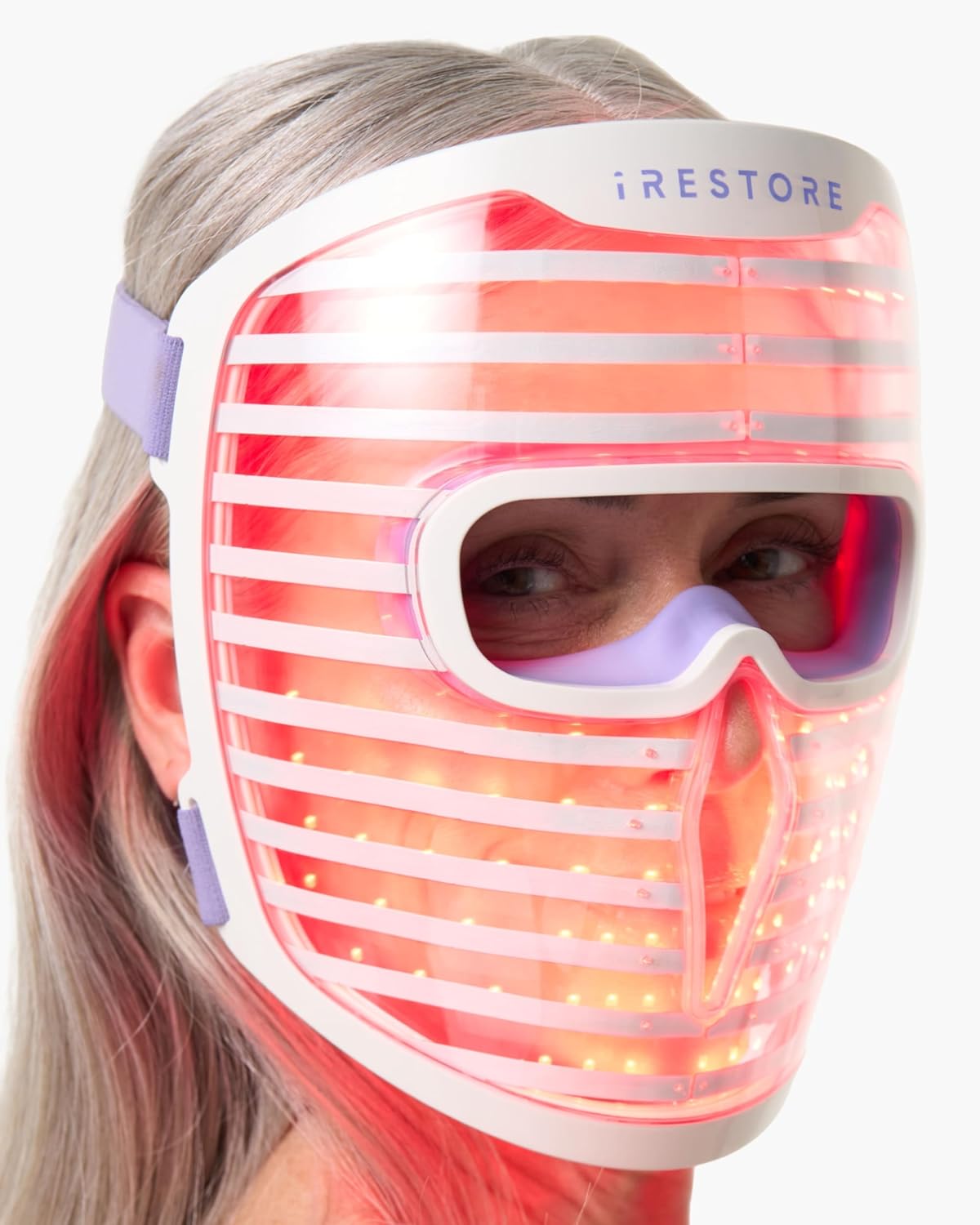 | 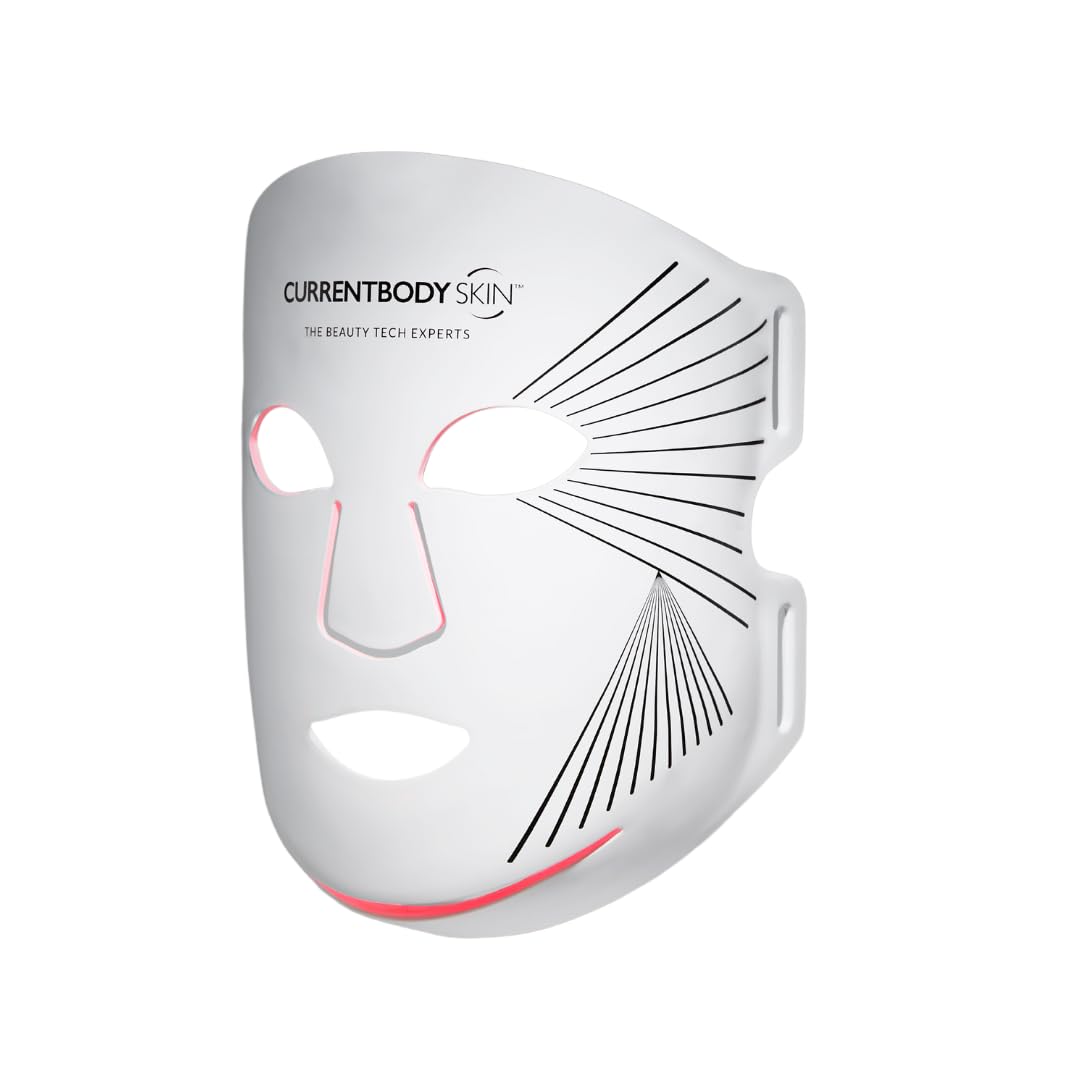 | 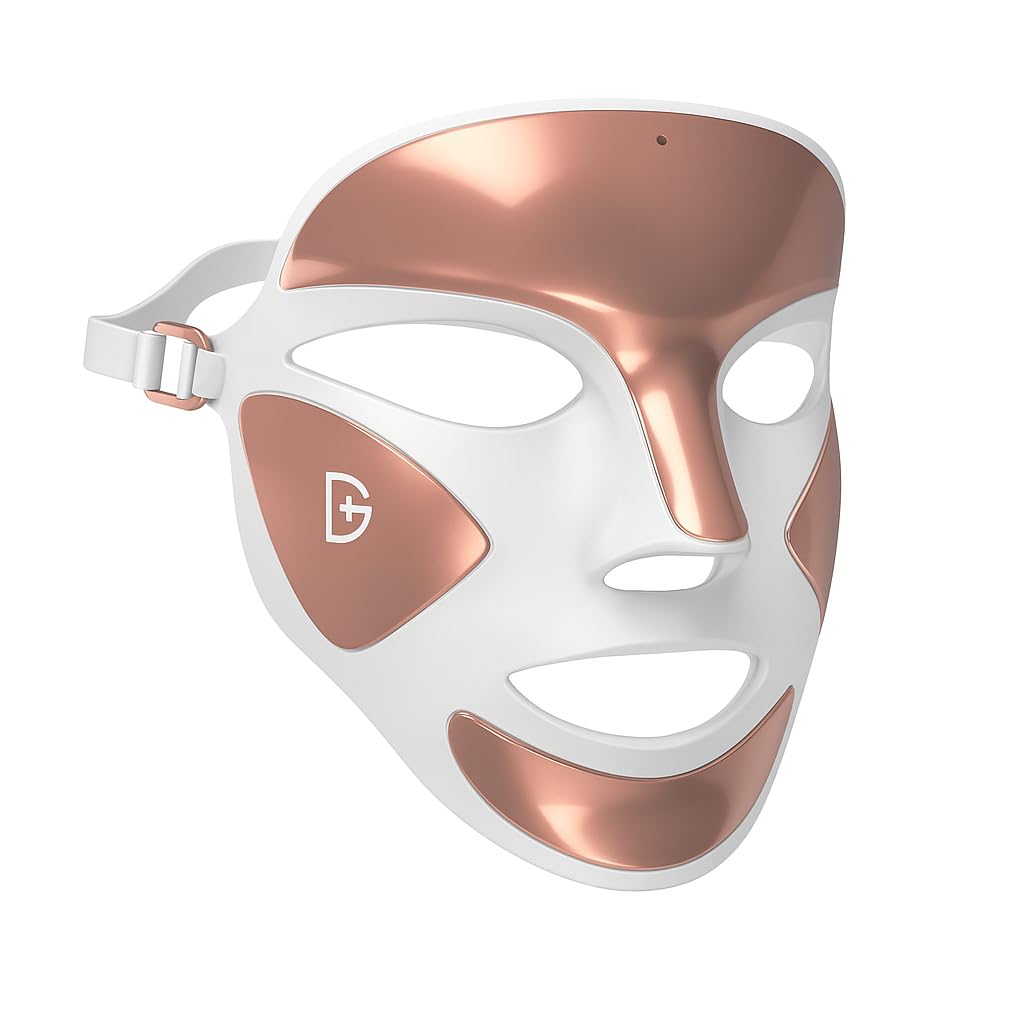 |  |  | |
Best for | Overall anti-aging simplicity | Tech-forward multi-wavelength options | Ultra-busy routines | LED + relaxation vibes | Puffy under-eyes + multi-goal |
Red/NIR focus | Red 633nm + NIR | Red 633nm + NIR 830nm (some add 1072nm) | Red mode (plus other modes) | Red 633nm + IR 830nm options (plus blue) | Red ~630nm + IR ~830nm in aging mode (plus other options) |
Typical session time | 10 min | Often presented as 10 min in coverage; varies by model | 3 min | Guided routine commonly ~9 min (version-dependent) | LED modes ~4–8 min; cooling can run longer |
Standout feature | Straightforward “gold standard” pairing | Deep NIR options (some models) | Fastest habit-builder | Gentle vibration + LED | Under-eye cooling |
Who should skip | If you want bells/whistles | If you want the simplest setup | If you want “spa experience” | If you hate vibration/weight | If you hate bulky gadgets/noise |
Price |  | | | | |
What Our Competitors Won’t Tell You
Most “LED mask results timeline” articles fall into the same traps:
- They give one timeline for everyone.
Your results depend on what you’re treating (wrinkles vs acne), your routine, and your skin. - They skip the only thing that matters: consistency + dose.
LED is cumulative. Wavelengths matter, but if the dose and schedule aren’t consistent, timelines stretch. - They promise fast wrinkle results.
Texture/glow can happen sooner. Wrinkle changes usually take longer.
This guide fixes that with a realistic, symptom-based timeline and a “how to know it’s working” checklist.
The results timeline (what changes show up when)
Weeks 1–2: “Nothing… or subtle calming”
This is the “boring phase.” If you’re expecting a visible wrinkle shift here, you’ll feel disappointed.
What you might notice:
- slightly calmer redness
- mild glow
- skin feeling less “angry” after irritation
This stage is about your skin adapting to a routine, not dramatic transformation.
- Best “buy once, use forever” anti-aging pick: Omnilux Contour Face (simple, clinically standard red + near-infrared combo).
- Best for spec-lovers (more wavelengths, more tech): CurrentBody Skin LED Mask (adds deep near-infrared options depending on model).
- Best “I only have 3 minutes” mask: Dr. Dennis Gross SpectraLite FaceWare Pro.
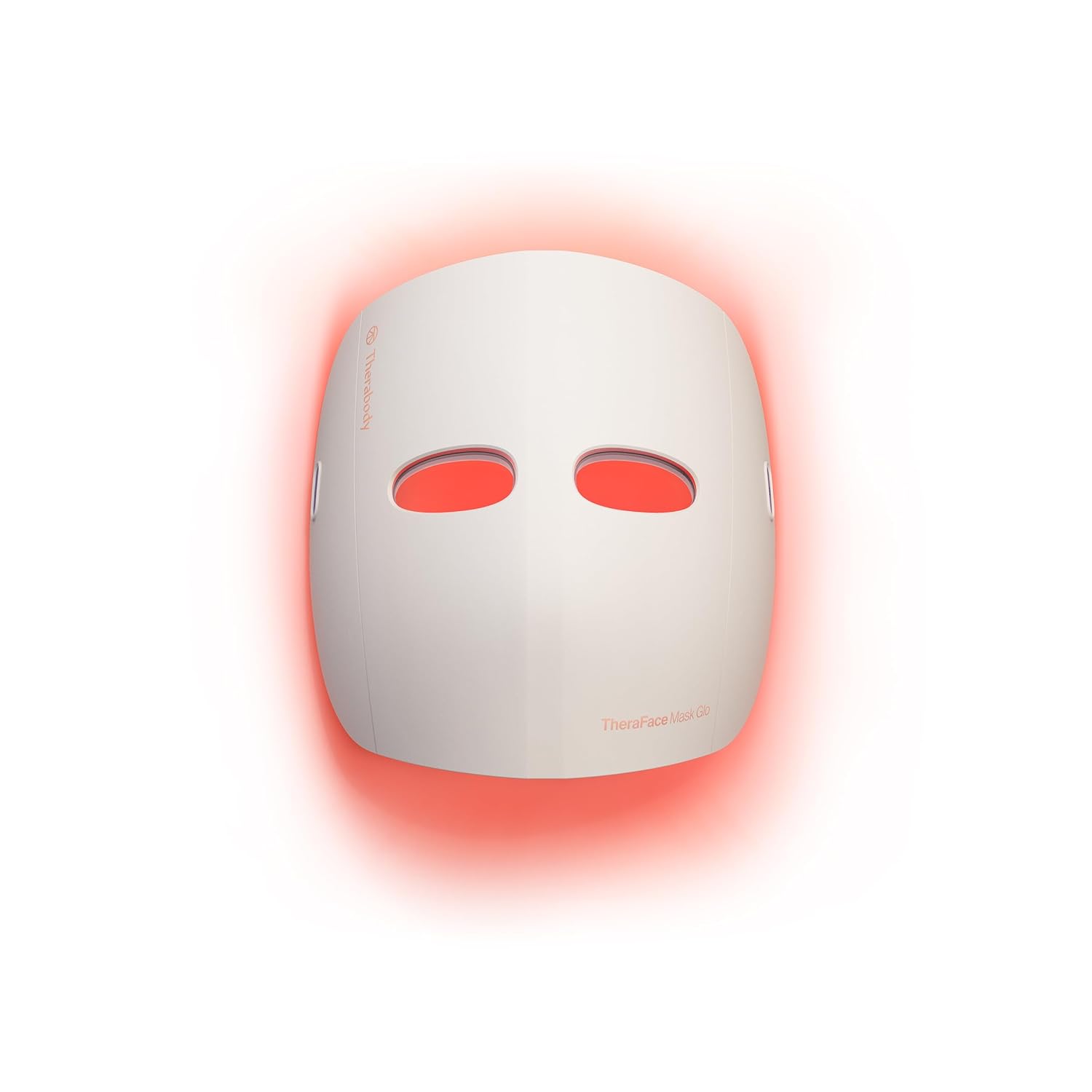
- Best if you want LED + relaxation: Therabody TheraFace Mask (LED + gentle vibration).
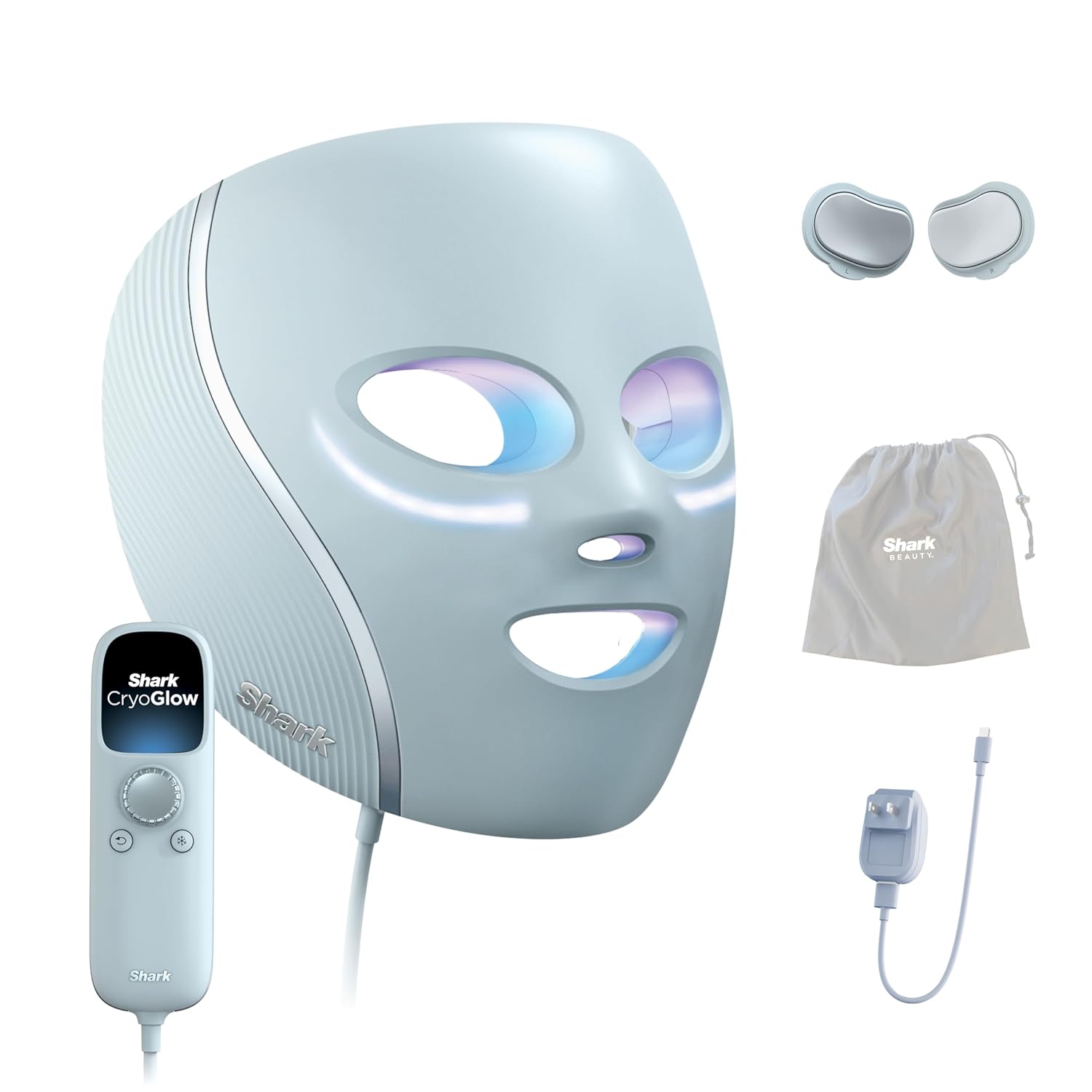
- Best for tired, puffy under-eyes (instant payoff): Shark CryoGlow (LED + under-eye cooling).
Weeks 2–4: Early visible changes
This is where many users start noticing:
- smoother-feeling texture
- more even tone
- less inflammation-related dullness
Some dermatology guidance and user timelines place “visible results” starting around the 4-week mark (especially tone/texture).
Weeks 4–8: “Okay, something is happening”
This is the sweet spot where LED begins to feel worth it.
Common changes:
- improved bounce/softness
- fine lines looking a bit less sharp in consistent lighting
- makeup sitting better
- overall brightness and texture improvements
Many sources describe 4–8 weeks as a common window for noticeable skin benefits with consistent use.
Feature | |||||
|---|---|---|---|---|---|
| | | | | |
Best for | Overall anti-aging simplicity | Tech-forward multi-wavelength options | Ultra-busy routines | LED + relaxation vibes | Puffy under-eyes + multi-goal |
Red/NIR focus | Red 633nm + NIR | Red 633nm + NIR 830nm (some add 1072nm) | Red mode (plus other modes) | Red 633nm + IR 830nm options (plus blue) | Red ~630nm + IR ~830nm in aging mode (plus other options) |
Typical session time | 10 min | Often presented as 10 min in coverage; varies by model | 3 min | Guided routine commonly ~9 min (version-dependent) | LED modes ~4–8 min; cooling can run longer |
Standout feature | Straightforward “gold standard” pairing | Deep NIR options (some models) | Fastest habit-builder | Gentle vibration + LED | Under-eye cooling |
Who should skip | If you want bells/whistles | If you want the simplest setup | If you want “spa experience” | If you hate vibration/weight | If you hate bulky gadgets/noise |
Price | | | | | |
Weeks 8–12+: The wrinkle/firmness window
If your goal is wrinkles and firmness, this is often the real timeline.
Expect:
- fine line softening (especially early wrinkles)
- improved “plumpness”
- texture looking smoother in photos
It’s also consistent with how collagen-supporting changes tend to work: gradual, cumulative, and slow enough that you need baseline photos to appreciate it.
Why timelines vary so much (the 6 biggest factors)
1) Your goal (wrinkles take longer than glow)
- Glow/texture usually shows earlier (weeks 2–6).
- Wrinkles/firmness usually need longer (8–12+ weeks).
2) Consistency (LED is cumulative)
Using it “whenever you remember” turns an 8-week plan into a 4-month plan.
Many recommendations cluster around 3–5 sessions per week for at least 4–8 weeks to evaluate results.
3) Dose (this is the part most people never check)
LED effectiveness depends on how much energy your skin actually receives, not just the color.
Two terms matter:
- irradiance (mW/cm²) = intensity at the skin
- fluence (J/cm²) = total energy delivered over time
A device can be “red light” and still underperform if the dose is weak.
4) Your skin barrier (irritated skin changes slower)
If you’re doing strong actives and your skin is constantly inflamed, LED becomes less “anti-aging glow” and more “please recover.”
5) Light types used
For rejuvenation, studies and protocols commonly use red + near-infrared ranges (example in home-use research: 630 nm + 850 nm) for skin rejuvenation outcomes.
6) Lighting + expectations
Most people underestimate how much:
- bathroom lighting lies
- phone cameras lie
- daily mirror checks mask slow progress
You need repeatable photos.
How to know you’re on track (without spiraling)
Do these three things:
- Take baseline photos today
Same spot, same lighting, same expression. - Check at week 4 and week 8
Not daily. Daily checking makes you think nothing is changing. - Look for “secondary wins”
Even if wrinkles aren’t shifting yet, improvements in texture, calmness, or tone are often the first sign you’re responding.
What speeds results up (and what slows them down)
Speeds results up
- using it on a consistent schedule (3–5x/week or per protocol)
- applying moisturizer after (supporting barrier recovery)
- wearing sunscreen daily (protecting any collagen gains)
Slows results down
- skipping weeks at a time
- overdoing exfoliants/retinoids until you’re irritated
- chasing “more minutes” instead of consistent weeks
- quitting at week 3 (the most common fail point)
FAQ: How Long Does It Take to See Results From an LED Face Mask?
How long does it take to see results from an LED face mask?
Many people notice early tone/texture changes in 2–4 weeks, clearer improvements around 4–8 weeks, and more wrinkle/firmness changes closer to 8–12+ weeks with consistent use.
When should I stop if I’m not seeing results?
If you’ve used it consistently for 8–12 weeks and see zero change in photos, it may be a protocol/dose issue or simply not the right tool for your skin concern.
Why do some people see results in 2 weeks?
Early wins are usually reduced inflammation + improved texture, not collagen-driven wrinkle changes. “Glow fast” is more common than “wrinkles gone fast.”
Do LED masks work better if I use them every day?
LED is cumulative, and consistency helps. Many routines recommend multiple sessions per week for several weeks, but “best frequency” depends on the specific protocol and your skin tolerance.
How long do LED mask results last?
Like most skincare, results fade if you stop entirely. Many protocols assume a maintenance phase after the initial weeks.
What’s the fastest way to tell if it’s working?
Standardized photos at week 0, 4, and 8. Mirror-checking daily is the fastest way to convince yourself nothing is happening.
Bottom line
If you’re wondering how long it takes to see results from an LED face mask, the realistic answer is:
- 2–4 weeks for early tone/texture shifts
- 4–8 weeks for noticeable overall improvements
- 8–12+ weeks for wrinkles/firmness changes — especially when red + near-infrared protocols are used consistently
If you want, tell me your goal (wrinkles vs acne vs redness vs pigmentation-prone) and your intended schedule, and I’ll give you a personalized “results timeline” that still stays product-neutral.
Other Interesting Articles
- Best Red Light Therapy Mask (2026): Top 5 Worth the Money
- Shark CryoGlow vs Solawave Mask: Which LED Mask Is the Smarter Buy?
- Shark CryoGlow vs TheraFace Mask: Which LED Face Mask Is Actually Worth It?
- Shark CryoGlow vs Omnilux: Which Red Light Mask is Best?
About LuxuryShimmer
LuxuryShimmer breaks down beauty tech the way you’d explain it to a friend: what matters, what doesn’t, and what you’ll realistically keep using.