I'm a participant in the Amazon Services LLC Associates Program, an affiliate advertising program designed to provide a means for me to earn fees by linking to Amazon.com and affiliated sites.
If you’re researching LED light therapy for wrinkles, you’re probably stuck between two extremes online:
- Articles that promise “visible wrinkle reduction in weeks”
- Articles that dismiss LED as a gimmick with no value
Neither tells the full story.
Here’s the realistic, evidence-aligned truth upfront:
LED light therapy can improve the appearance of fine lines and skin texture over time — but it does not erase deep wrinkles, replace injectables, or deliver instant lifting.
When it works, it works gradually, subtly, and cumulatively.
This article is designed to rank higher by filling the gaps competitors avoid: realistic outcomes, biological limits, timelines, safety nuance, and how to tell if LED is even the right tool for your wrinkles.
Recommended Products
Feature | |||||
|---|---|---|---|---|---|
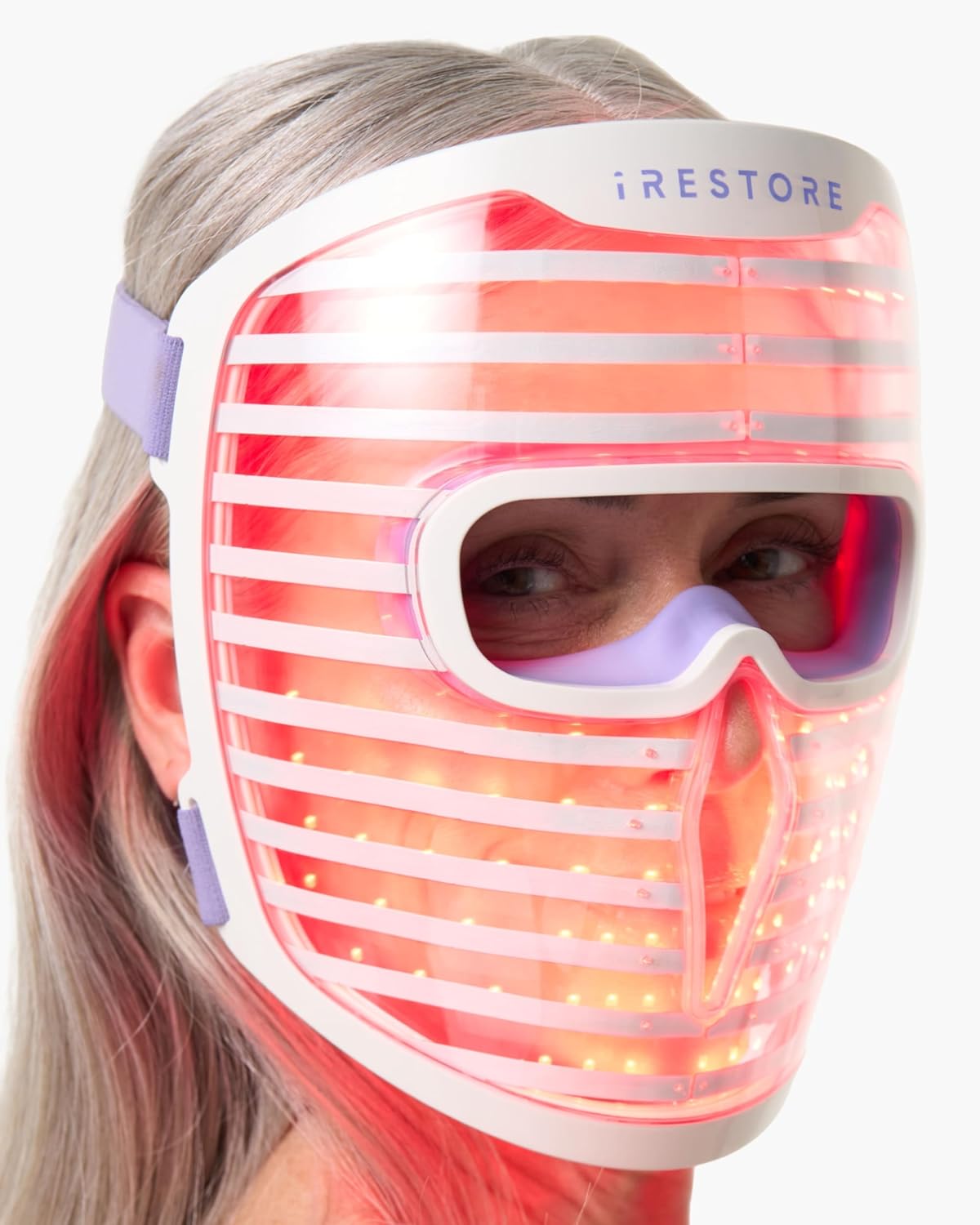 | 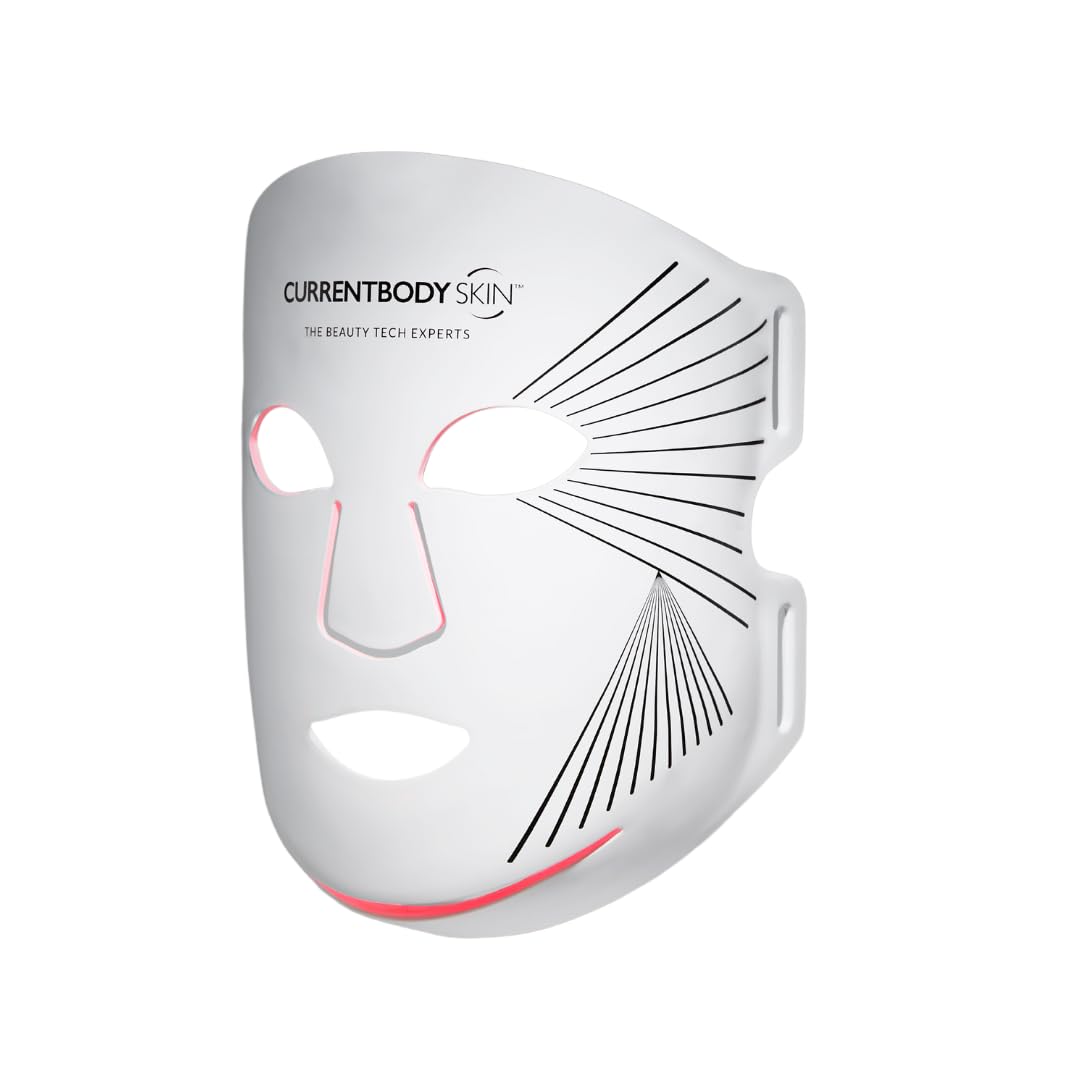 | 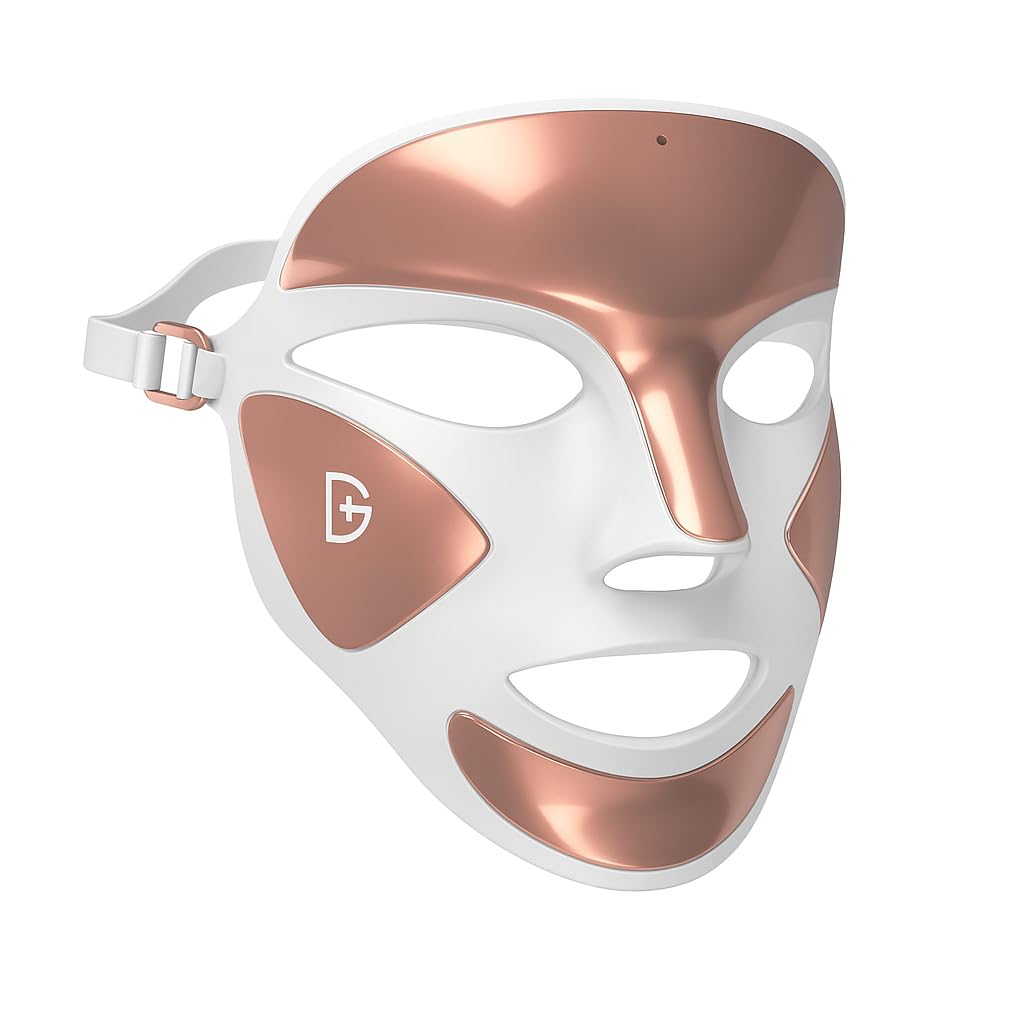 | 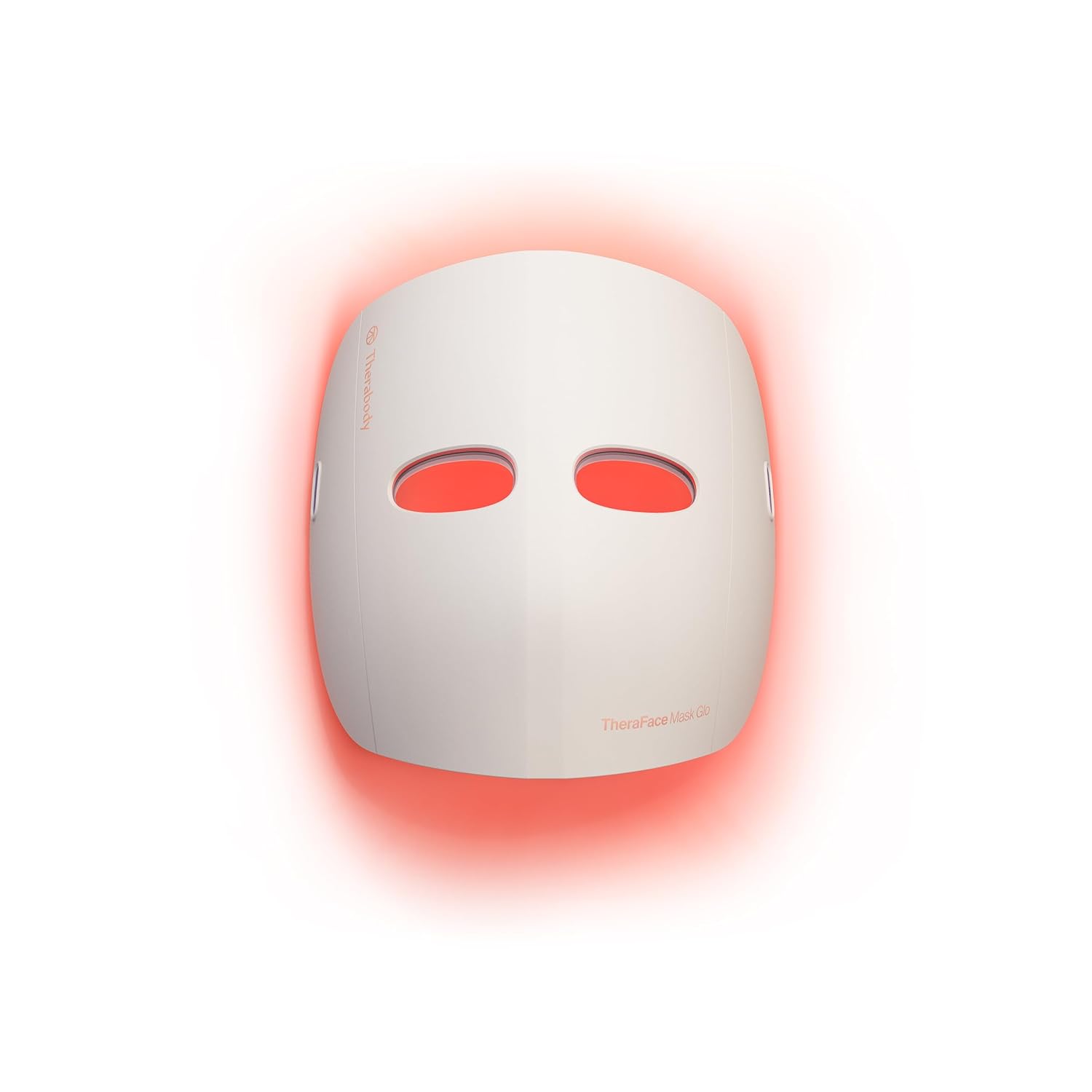 | 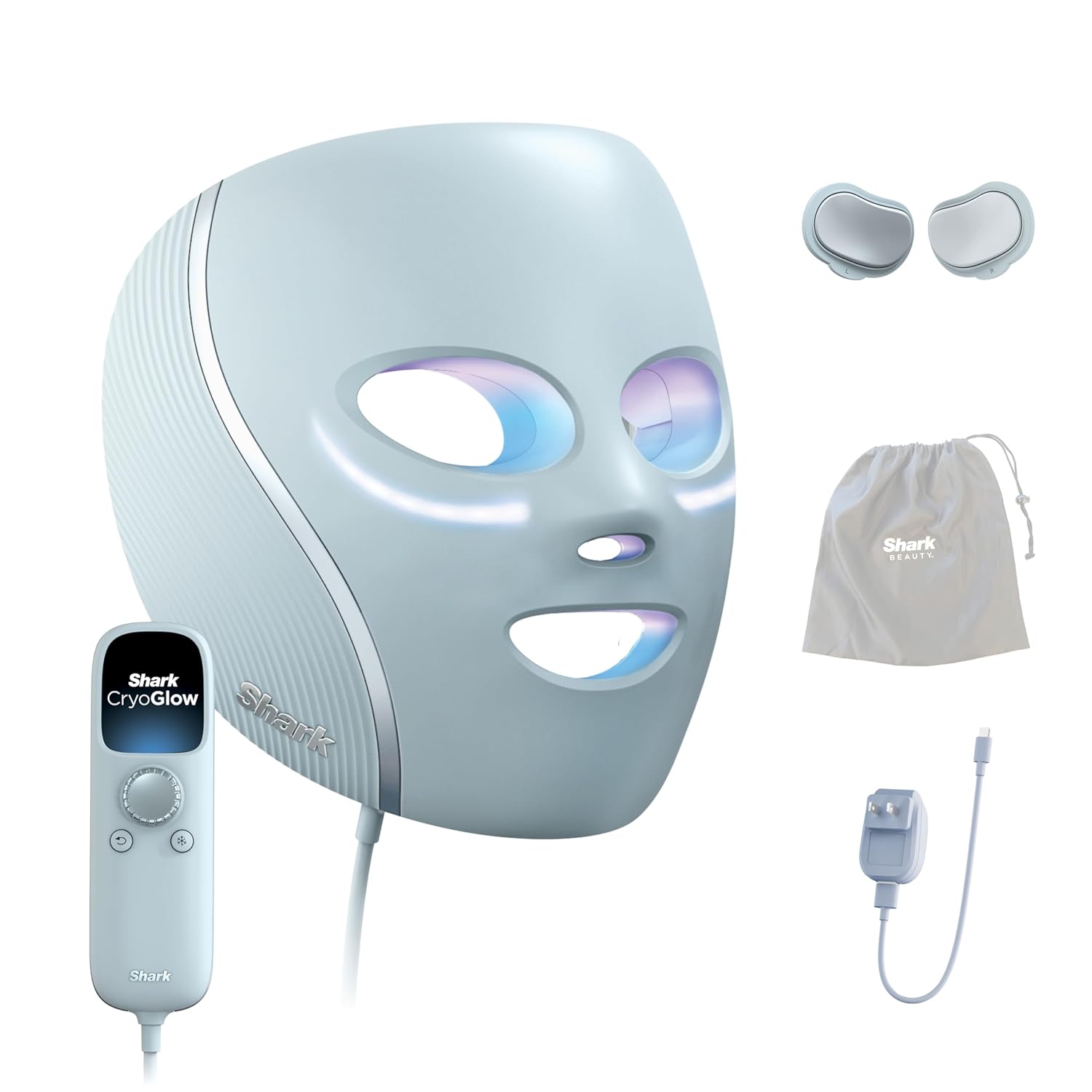 | |
Best for | Overall anti-aging simplicity | Tech-forward multi-wavelength options | Ultra-busy routines | LED + relaxation vibes | Puffy under-eyes + multi-goal |
Red/NIR focus | Red 633nm + NIR | Red 633nm + NIR 830nm (some add 1072nm) | Red mode (plus other modes) | Red 633nm + IR 830nm options (plus blue) | Red ~630nm + IR ~830nm in aging mode (plus other options) |
Typical session time | 10 min | Often presented as 10 min in coverage; varies by model | 3 min | Guided routine commonly ~9 min (version-dependent) | LED modes ~4–8 min; cooling can run longer |
Standout feature | Straightforward “gold standard” pairing | Deep NIR options (some models) | Fastest habit-builder | Gentle vibration + LED | Under-eye cooling |
Who should skip | If you want bells/whistles | If you want the simplest setup | If you want “spa experience” | If you hate vibration/weight | If you hate bulky gadgets/noise |
Price |  | | | | |
What Our Competitors Get Wrong
Across top-ranking pages, the same issues repeat:
- They don’t define “wrinkles.”
Fine lines, dynamic wrinkles, and deep static wrinkles are treated as the same problem — they aren’t. - They imply collagen = wrinkle removal.
Collagen support can soften lines, but it doesn’t magically reverse years of structural loss. - They skip dose and consistency.
Wavelengths alone don’t determine outcomes — how much light and how often matters. - They avoid uncomfortable limitations.
LED has ceilings. Pretending otherwise leads to disappointment.
This article ranks better by answering the real question:
What kinds of wrinkles can LED realistically help — and where does it fall short?
First: what wrinkles actually are (and why LED has limits)
Wrinkles form from a mix of:
- collagen and elastin loss
- repetitive muscle movement
- UV damage and oxidative stress
- slowed cellular turnover with age
- changes in skin thickness and hydration
No single tool addresses all of these. LED works on specific biological pathways, not all of them.
So when we talk about “what LED can do,” we have to match the tool to the wrinkle type.
What LED light therapy can realistically do for wrinkles
1) Soften fine lines and early wrinkles
Fine lines — especially those caused by dehydration, early collagen loss, or chronic inflammation — respond best to LED therapy.
Why:
- Red and near-infrared light can stimulate fibroblast activity
- This supports collagen production and skin resilience
- Over time, fine lines may appear less etched
This is softening, not erasing — but it’s visible in consistent lighting over weeks.
- Best “buy once, use forever” anti-aging pick: Omnilux Contour Face (simple, clinically standard red + near-infrared combo).
- Best for spec-lovers (more wavelengths, more tech): CurrentBody Skin LED Mask (adds deep near-infrared options depending on model).
- Best “I only have 3 minutes” mask: Dr. Dennis Gross SpectraLite FaceWare Pro.
- Best if you want LED + relaxation: Therabody TheraFace Mask (LED + gentle vibration).
- Best for tired, puffy under-eyes (instant payoff): Shark CryoGlow (LED + under-eye cooling).
2) Improve overall skin texture and smoothness
Many people notice:
- smoother-feeling skin
- makeup sitting better
- improved surface texture
This often shows up before wrinkle changes and contributes to a more youthful look even when lines remain.
3) Support firmness and “skin quality”
LED therapy can improve what dermatologists often call skin quality:
- tone
- elasticity
- recovery from irritation
These changes don’t lift skin dramatically, but they make wrinkles less visually dominant.
Feature | |||||
|---|---|---|---|---|---|
| | | | | |
Best for | Overall anti-aging simplicity | Tech-forward multi-wavelength options | Ultra-busy routines | LED + relaxation vibes | Puffy under-eyes + multi-goal |
Red/NIR focus | Red 633nm + NIR | Red 633nm + NIR 830nm (some add 1072nm) | Red mode (plus other modes) | Red 633nm + IR 830nm options (plus blue) | Red ~630nm + IR ~830nm in aging mode (plus other options) |
Typical session time | 10 min | Often presented as 10 min in coverage; varies by model | 3 min | Guided routine commonly ~9 min (version-dependent) | LED modes ~4–8 min; cooling can run longer |
Standout feature | Straightforward “gold standard” pairing | Deep NIR options (some models) | Fastest habit-builder | Gentle vibration + LED | Under-eye cooling |
Who should skip | If you want bells/whistles | If you want the simplest setup | If you want “spa experience” | If you hate vibration/weight | If you hate bulky gadgets/noise |
Price | | | | | |
4) Calm inflammation that worsens wrinkles
Chronic low-grade inflammation accelerates skin aging. LED light — particularly red wavelengths — may help calm this background stress, indirectly supporting wrinkle improvement.
What LED light therapy cannot do (this matters)
1) It does not erase deep static wrinkles
Deep lines caused by:
- long-term collagen loss
- gravity-driven sagging
- etched facial creases
…do not disappear with LED therapy alone.
LED may make these lines look softer by improving surrounding skin, but it won’t fill or lift them the way injectables or procedures can.
2) It does not replace professional treatments
LED is not a substitute for:
- neuromodulators (for dynamic wrinkles)
- dermal fillers (for volume loss)
- resurfacing lasers or microneedling
It can support skin health alongside these, but it operates on a different level of intensity.
3) It does not deliver instant results
Any article promising “wrinkle reduction after one session” is overstating the evidence.
LED therapy works through biological signaling, not mechanical change — and biology takes time.
Why results vary so much between people
This is where most competitor articles stop short.
1) Wrinkle type matters
- Fine lines respond better than deep folds
- Texture-related aging improves faster than volume-loss wrinkles
2) Consistency matters more than power
Using LED sporadically turns an 8-week timeline into a 6-month one.
LED is cumulative — skipping weeks resets progress.
3) Dose matters (but rarely explained)
Effectiveness depends on:
- wavelength
- light intensity (irradiance)
- session length
- frequency
A weak dose used perfectly may do less than a moderate dose used consistently.
4) Skin barrier health affects outcomes
If your skin is constantly irritated from over-exfoliation or aggressive retinoid use, LED’s collagen-supporting effects are muted.
Healthy skin responds better.
How long it realistically takes to see wrinkle improvement
While individual timelines vary, realistic expectations look like this:
- Weeks 2–4: texture and glow changes
- Weeks 4–8: subtle fine line softening
- Weeks 8–12+: visible improvement in early wrinkles and firmness
If nothing changes after consistent use for several months, LED may simply not be the right tool for your wrinkle profile.
Heat, overuse, and pigmentation: an important caveat
Some dermatologists report cases where overuse of LED devices — especially those that run warm — worsened pigmentation in melasma-prone individuals.
While this doesn’t mean LED is unsafe, it does mean:
- more is not always better
- heat matters
- pigment-prone skin needs caution
Wrinkle care should never come at the expense of pigmentation stability.
How to tell if LED is helping your wrinkles
Instead of daily mirror checks, use this method:
- Take baseline photos in consistent lighting
- Re-check at weeks 4 and 8
- Look for:
- smoother texture
- less “etched” fine lines
- improved skin resilience
Wrinkle improvement is often easier to see in photos than in the mirror.
FAQ: LED Light Therapy for Wrinkles
Does LED light therapy really work for wrinkles?
It can improve the appearance of fine lines and skin texture over time when used consistently, but it does not eliminate deep wrinkles.
What kind of wrinkles respond best to LED?
Fine lines and early signs of aging respond better than deep, static wrinkles.
How long does LED take to work on wrinkles?
Texture and glow may improve within weeks; wrinkle softening usually requires several weeks of consistent use.
Is red light better than other colors for wrinkles?
Red and near-infrared wavelengths are most commonly associated with rejuvenation pathways relevant to wrinkles.
Can LED therapy make wrinkles worse?
Not typically — but overuse, irritation, or heat stress can temporarily worsen skin appearance.
Should LED replace retinoids or procedures?
No. LED works best as a supportive, long-term skin-quality tool, not a replacement for medical treatments.
Bottom line
LED light therapy for wrinkles works — within limits.
It can:
- soften fine lines
- improve texture and skin quality
- support long-term skin resilience
It cannot:
- erase deep wrinkles
- lift sagging skin
- deliver instant transformation
If you approach LED therapy as a gradual, supportive tool rather than a miracle cure, the results are far more realistic — and far less disappointing.
Other Interesting Articles
- Best Red Light Therapy Mask (2026): Top 5 Worth the Money
- Shark CryoGlow vs Solawave Mask: Which LED Mask Is the Smarter Buy?
- Shark CryoGlow vs TheraFace Mask: Which LED Face Mask Is Actually Worth It?
- Shark CryoGlow vs Omnilux: Which Red Light Mask is Best?
About LuxuryShimmer
LuxuryShimmer breaks down beauty tech the way you’d explain it to a friend: what matters, what doesn’t, and what you’ll realistically keep using.