I'm a participant in the Amazon Services LLC Associates Program, an affiliate advertising program designed to provide a means for me to earn fees by linking to Amazon.com and affiliated sites.
If you’re searching LED face masks and collagen, then you’re not asking whether light touches your skin. You’re asking whether it does anything meaningful to the structure that keeps skin firm.
Here’s the clear, evidence-aligned answer upfront:
LED face masks don’t “add collagen.” They can support the biological signals that help your skin produce and preserve collagen over time—when the right wavelengths, dose, and consistency are in place.
This is an information-only guide designed to explain how collagen actually works, where LED fits in, and why results vary so much between people—topics competitors usually gloss over.
Recommended Products
Feature | |||||
|---|---|---|---|---|---|
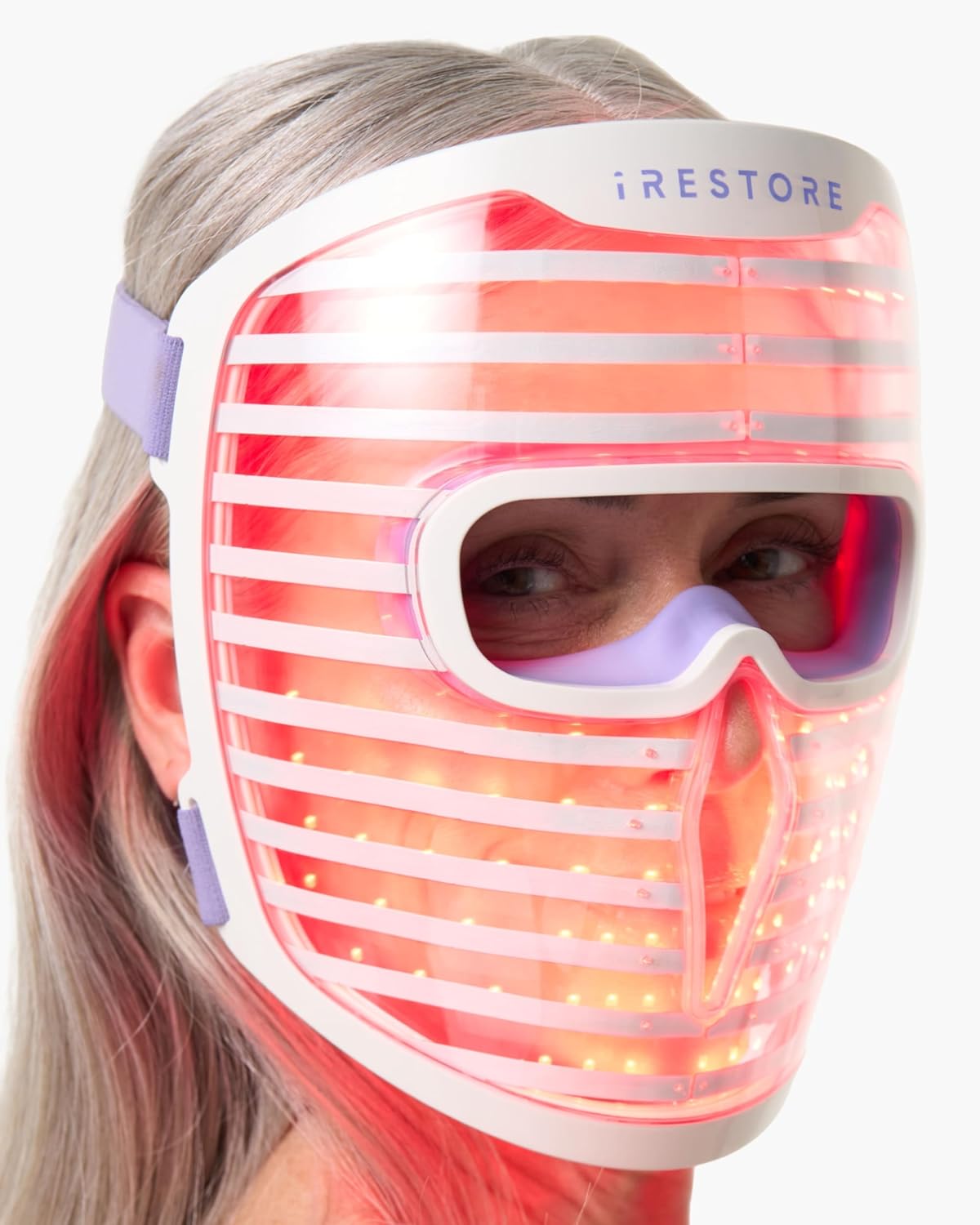 | 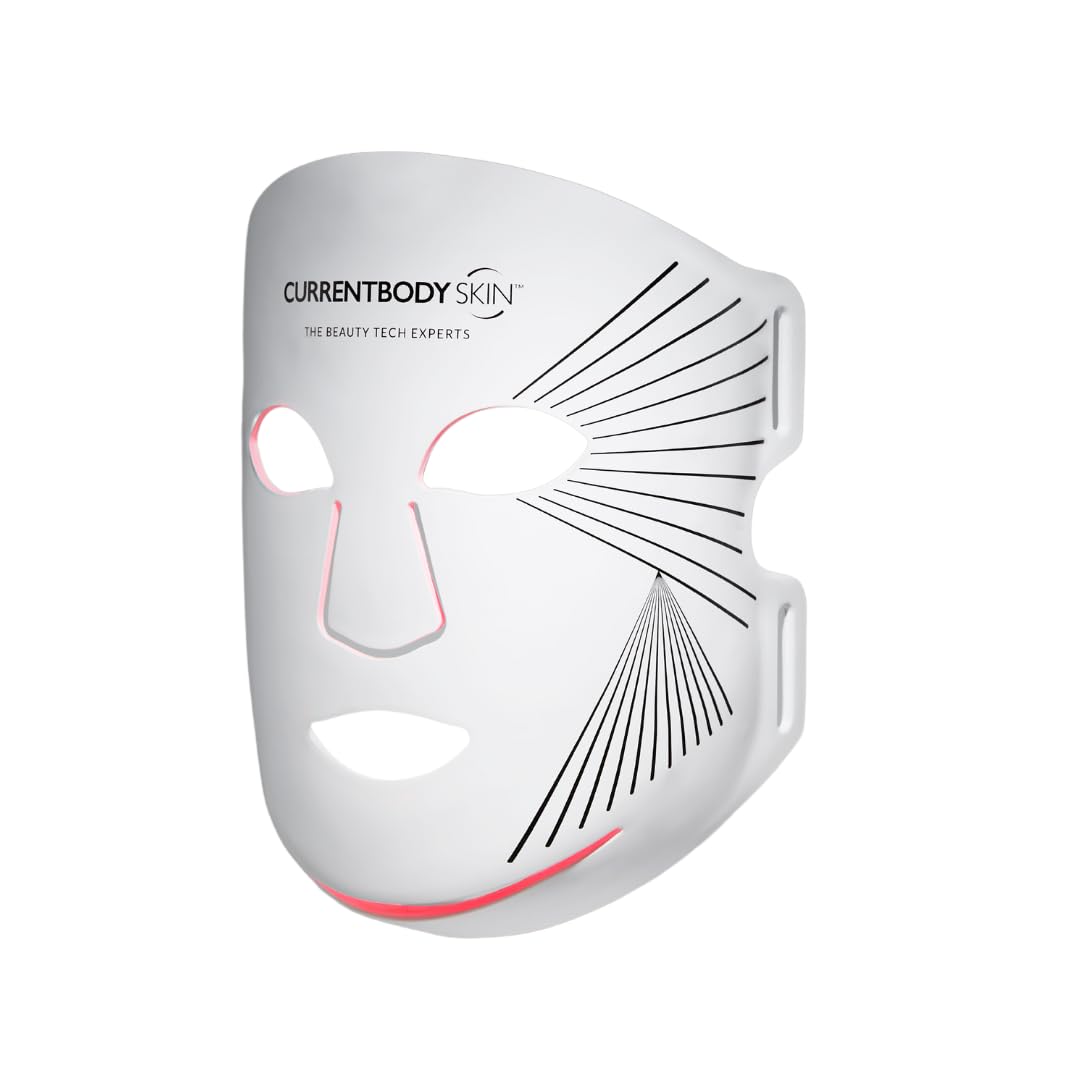 | 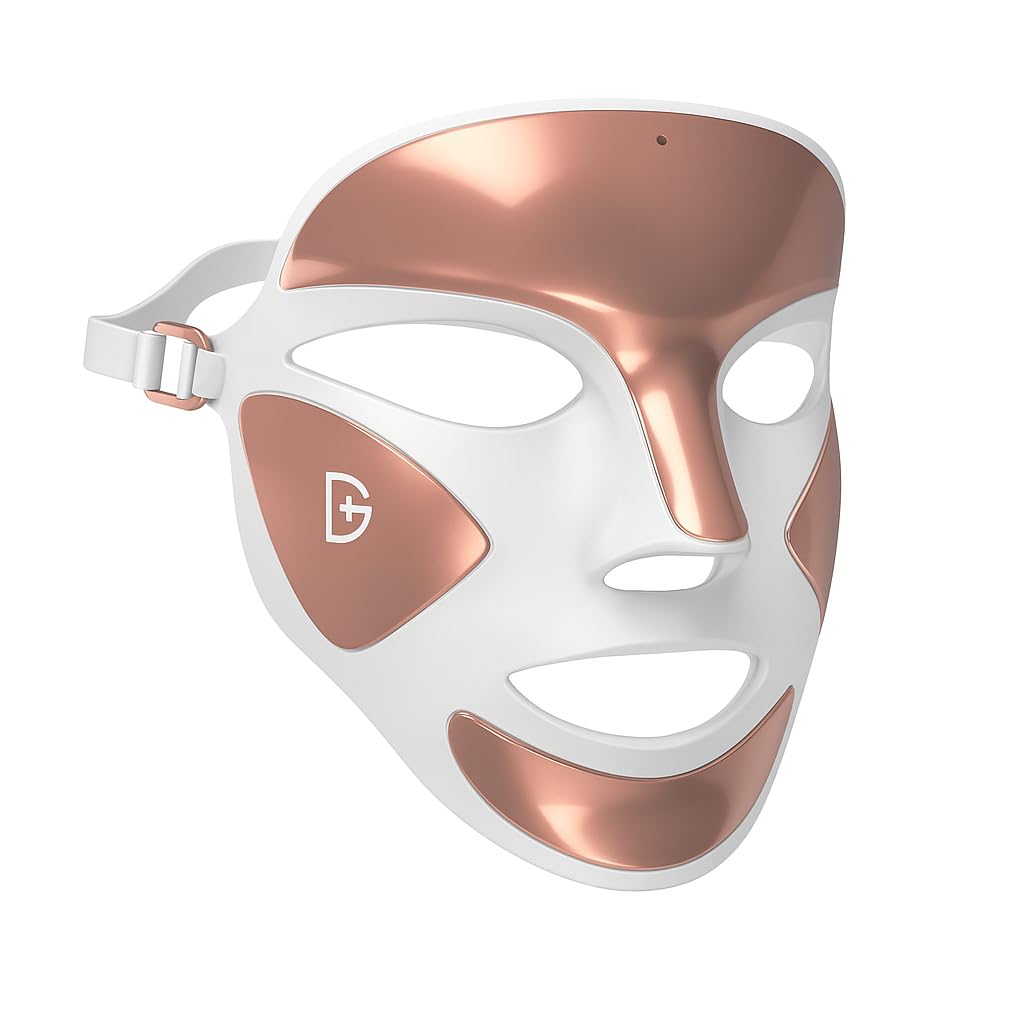 |  |  | |
Best for | Overall anti-aging simplicity | Tech-forward multi-wavelength options | Ultra-busy routines | LED + relaxation vibes | Puffy under-eyes + multi-goal |
Red/NIR focus | Red 633nm + NIR | Red 633nm + NIR 830nm (some add 1072nm) | Red mode (plus other modes) | Red 633nm + IR 830nm options (plus blue) | Red ~630nm + IR ~830nm in aging mode (plus other options) |
Typical session time | 10 min | Often presented as 10 min in coverage; varies by model | 3 min | Guided routine commonly ~9 min (version-dependent) | LED modes ~4–8 min; cooling can run longer |
Standout feature | Straightforward “gold standard” pairing | Deep NIR options (some models) | Fastest habit-builder | Gentle vibration + LED | Under-eye cooling |
Who should skip | If you want bells/whistles | If you want the simplest setup | If you want “spa experience” | If you hate vibration/weight | If you hate bulky gadgets/noise |
Price |  | | | | |
What Our Competitors Get Wrong and Why LuxuryShimmer is an Expert
Across top-ranking pages, the same issues appear:
- They treat collagen like a sponge you can “fill.”
Collagen is produced by cells. You don’t pour it in. - They confuse short-term glow with structural change.
Immediate brightness ≠ collagen remodeling. - They skip the cellular mechanism entirely.
Words like “stimulates” are used without explanation. - They don’t explain why results are slow—or subtle.
Collagen turnover takes time. LED works on biology, not optics.
This article ranks better by answering the real question:
How does light influence collagen behavior inside the skin—realistically?
First: what collagen actually is (and why this matters)
Collagen is a structural protein produced by fibroblast cells in the dermis. It provides:
- firmness
- tensile strength
- resistance to wrinkling
As we age:
- fibroblast activity slows
- collagen production declines
- existing collagen degrades faster (UV, inflammation, oxidative stress)
No topical or device instantly reverses this. Any tool that helps collagen must work by changing cellular behavior over time.
How LED light interacts with collagen pathways
LED therapy doesn’t force collagen production. Instead, it works upstream—at the cellular signaling level.
Step 1: Light absorption inside skin cells
Certain wavelengths of light are absorbed by components within skin cells (often described as mitochondrial chromophores).
This absorption influences:
- cellular energy production (ATP)
- signaling pathways related to repair and regeneration
Think of it as improving the cell’s working conditions, not ordering it to “make collagen now.”
Step 2: Improved cellular energy and signaling
When cells function more efficiently:
- fibroblasts can operate more effectively
- collagen synthesis pathways may be supported
- inflammatory signals that break down collagen may be reduced
This is why LED is often described as supportive, not transformative.
- Best “buy once, use forever” anti-aging pick: Omnilux Contour Face (simple, clinically standard red + near-infrared combo).
- Best for spec-lovers (more wavelengths, more tech): CurrentBody Skin LED Mask (adds deep near-infrared options depending on model).
- Best “I only have 3 minutes” mask: Dr. Dennis Gross SpectraLite FaceWare Pro.
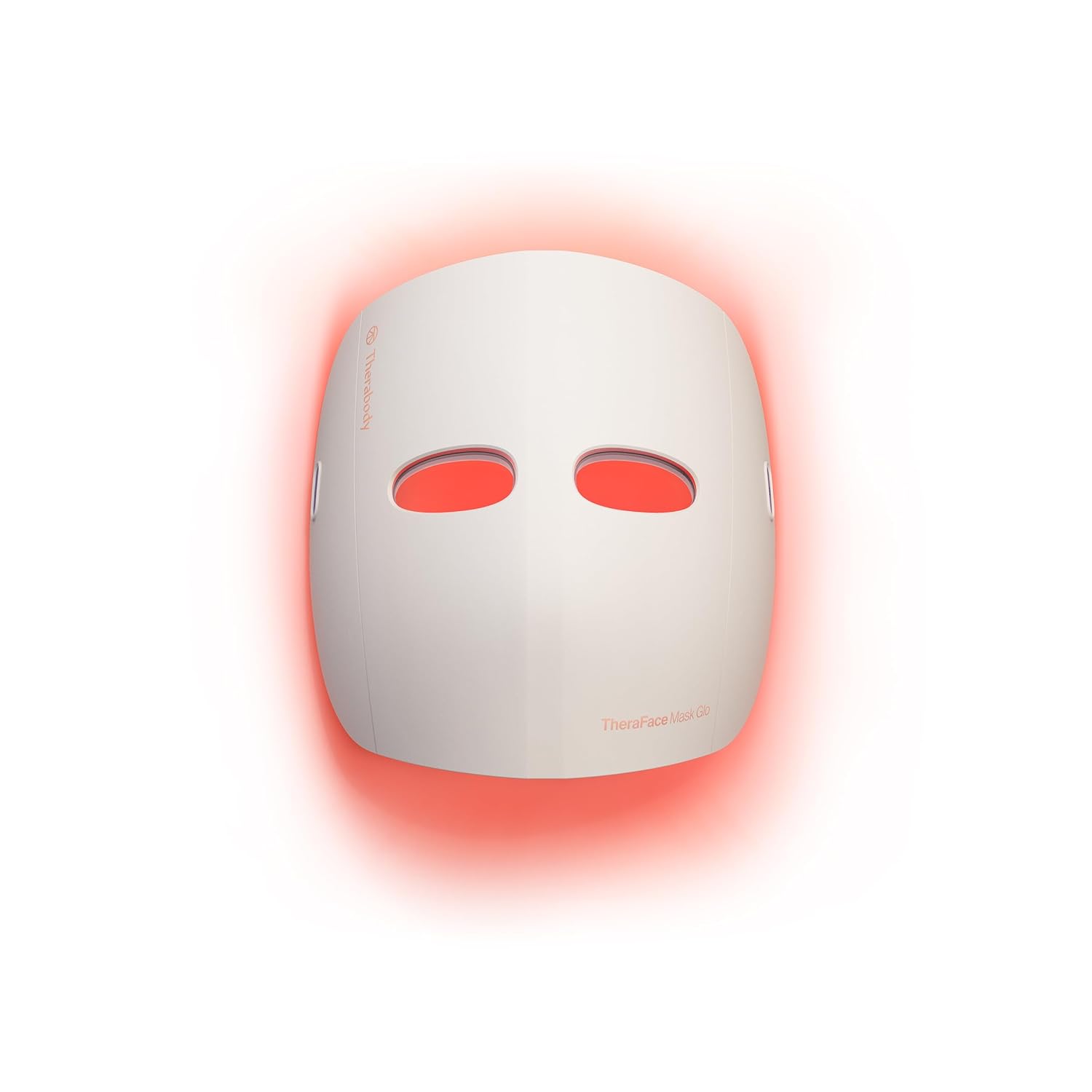
- Best if you want LED + relaxation: Therabody TheraFace Mask (LED + gentle vibration).
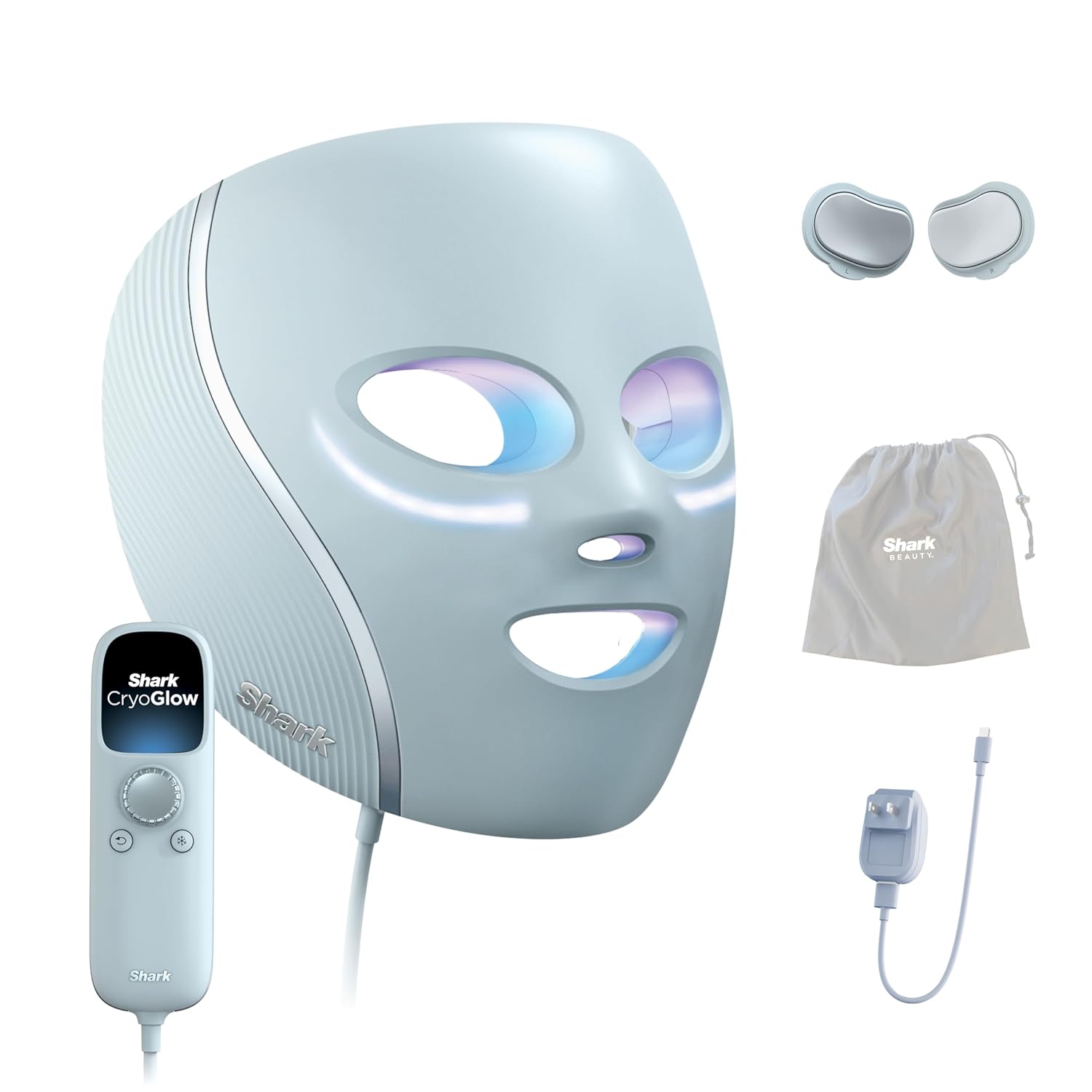
- Best for tired, puffy under-eyes (instant payoff): Shark CryoGlow (LED + under-eye cooling).
Step 3: Gradual structural change
Over weeks of consistent use:
- collagen turnover may tilt slightly toward production rather than breakdown
- skin may appear firmer and smoother
- fine lines can look less etched
This process is slow, cumulative, and subtle—which is why marketing often oversells it.
Why wavelength matters for collagen support
Not all light reaches collagen-producing cells.
Red light (commonly ~630–660 nm)
- Reaches into the dermis
- Interacts with fibroblast-rich layers
- Commonly used in skin rejuvenation research
Red light is most associated with surface-to-mid dermal collagen signaling.
Recommended Products
Feature | |||||
|---|---|---|---|---|---|
| | | | | |
Best for | Overall anti-aging simplicity | Tech-forward multi-wavelength options | Ultra-busy routines | LED + relaxation vibes | Puffy under-eyes + multi-goal |
Red/NIR focus | Red 633nm + NIR | Red 633nm + NIR 830nm (some add 1072nm) | Red mode (plus other modes) | Red 633nm + IR 830nm options (plus blue) | Red ~630nm + IR ~830nm in aging mode (plus other options) |
Typical session time | 10 min | Often presented as 10 min in coverage; varies by model | 3 min | Guided routine commonly ~9 min (version-dependent) | LED modes ~4–8 min; cooling can run longer |
Standout feature | Straightforward “gold standard” pairing | Deep NIR options (some models) | Fastest habit-builder | Gentle vibration + LED | Under-eye cooling |
Who should skip | If you want bells/whistles | If you want the simplest setup | If you want “spa experience” | If you hate vibration/weight | If you hate bulky gadgets/noise |
Price | | | | | |
Near-infrared light (commonly ~830–850 nm)
- Penetrates deeper than visible red
- Reaches lower dermal tissue
- Complements red light’s effects
Many collagen-focused LED protocols use red + near-infrared together because they target different depths of skin architecture.
Why other colors matter less for collagen
- Blue light is primarily for acne and acts superficially
- Green/yellow/purple wavelengths have limited evidence for collagen support
- More colors ≠ more collagen
For collagen, depth matters more than variety.
Wavelength vs dose: why collagen results vary so much
This is a major gap in competitor content.
Wavelength tells you what kind of light is used.
Dose tells you how much light your skin actually receives.
Collagen support depends on:
- wavelength
- light intensity
- session length
- frequency over time
If the dose is too low—or use is inconsistent—collagen signaling may be minimal, even with “correct” wavelengths.
This explains why:
- some people see firming over months
- others see only glow
- some see nothing at all
What LED can realistically do for collagen
What LED can help with
- supporting collagen maintenance
- slowing visible collagen loss
- improving skin quality and firmness
- softening fine lines over time
These effects are incremental, not dramatic.
What LED cannot do
- replace lost facial volume
- rebuild deep structural support
- erase advanced wrinkles
- match in-office collagen-inducing procedures
LED is a maintenance and support tool, not a rebuild from scratch.
Why results take time (and patience)
Collagen turnover is slow. Even with ideal conditions:
- fibroblast changes happen gradually
- new collagen must be produced, organized, and integrated
- visible effects lag behind biological changes
This is why realistic timelines for collagen-related changes are measured in weeks to months, not days.
Skin factors that affect collagen response
Some people respond better than others because of:
- baseline inflammation
- skin barrier health
- UV exposure habits
- age and hormonal factors
- consistency of use
Inflamed or over-treated skin prioritizes survival, not collagen production. Supporting the barrier often improves LED responsiveness.
Common myths about LED and collagen
Myth: LED “adds collagen”
→ It supports collagen production pathways, not direct addition.
Myth: More sessions = more collagen
→ Overuse can stress skin and slow progress.
Myth: All LED colors help collagen
→ Only certain wavelengths reach collagen-producing layers.
Myth: You should see results quickly
→ Collagen change is gradual by nature.
FAQ: LED Face Masks and Collagen
Does LED light actually stimulate collagen?
LED light can support cellular signaling involved in collagen production, but it does not directly add collagen to the skin.
How long does it take for LED to affect collagen?
Early skin quality changes may appear in weeks; collagen-related improvements typically take longer with consistent use.
Is red light or near-infrared better for collagen?
They’re often used together because they reach different depths of the dermis.
Can LED replace collagen treatments?
No. LED works best as a supportive, maintenance-focused tool, not a replacement for procedures.
Why do some people see firmness and others don’t?
Differences in dose, consistency, skin health, and expectations all play a role.
Bottom line
LED face masks don’t magically create collagen—but they can support the conditions that allow your skin to make and preserve it.
When used consistently, with the right wavelengths and realistic expectations, LED therapy can:
- support collagen pathways
- improve firmness and skin quality
- slow visible signs of aging
Other Interesting Articles
- Best Red Light Therapy Mask (2026): Top 5 Worth the Money
- Shark CryoGlow vs Solawave Mask: Which LED Mask Is the Smarter Buy?
- Shark CryoGlow vs TheraFace Mask: Which LED Face Mask Is Actually Worth It?
- Shark CryoGlow vs Omnilux: Which Red Light Mask is Best?
About LuxuryShimmer
LuxuryShimmer breaks down beauty tech the way you’d explain it to a friend: what matters, what doesn’t, and what you’ll realistically keep using.