I'm a participant in the Amazon Services LLC Associates Program, an affiliate advertising program designed to provide a means for me to earn fees by linking to Amazon.com and affiliated sites.
If you’re comparing red light vs LED face masks for wrinkle care, you’re probably confused by how loosely those terms are used online. Some articles treat them as identical. Others frame them as completely different technologies.
Here’s the clear answer upfront:
“Red light” describes a type of wavelength. An “LED face mask” describes a delivery format. For wrinkle care, what matters is whether the LED mask delivers the right red (and near-infrared) wavelengths at a meaningful dose, consistently over time.
This is an information-only guide designed to clarifying definitions, correcting common misconceptions, and explaining what actually affects wrinkle outcomes—things competitor articles routinely blur.
Recommended Products
Feature | |||||
|---|---|---|---|---|---|
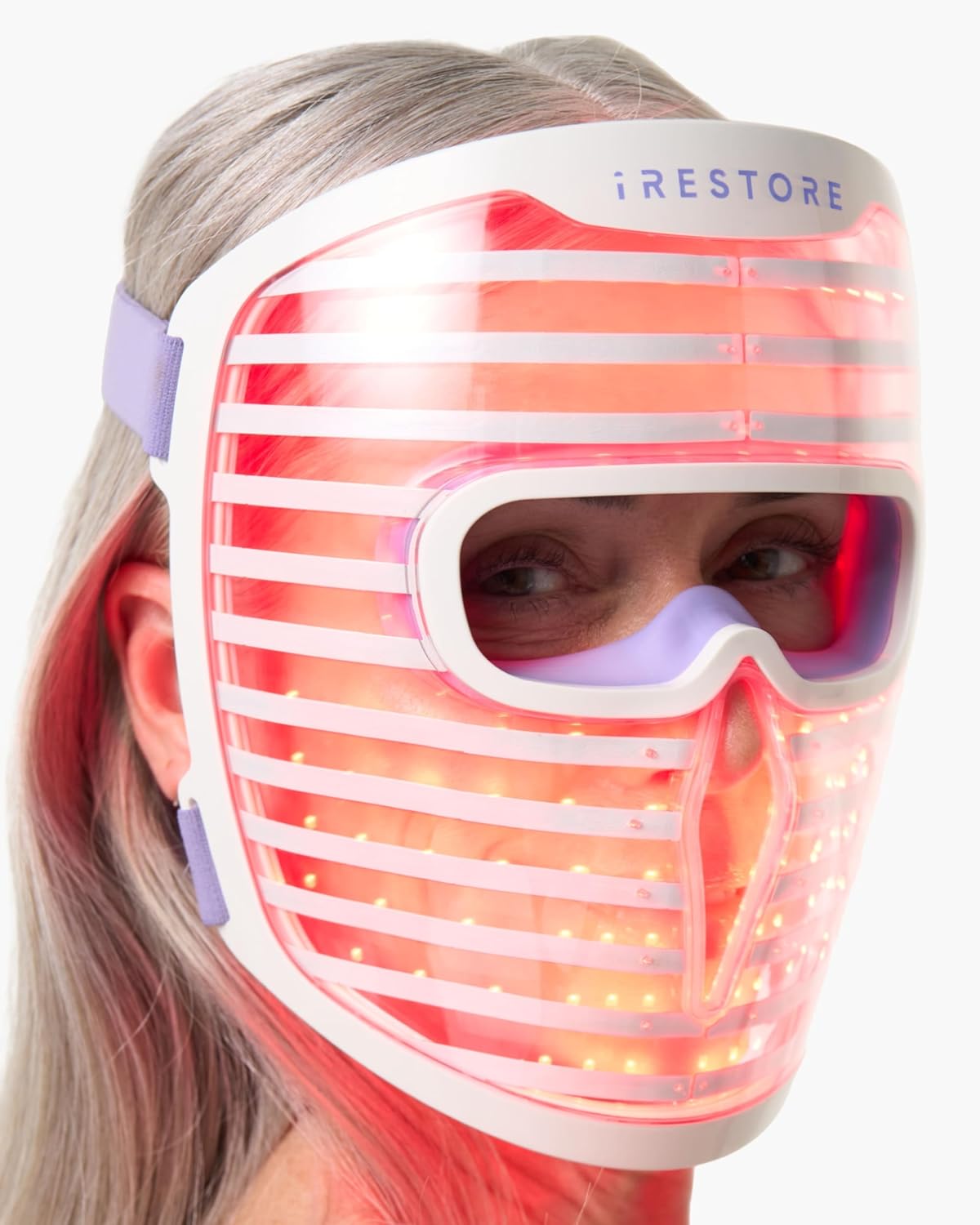 | 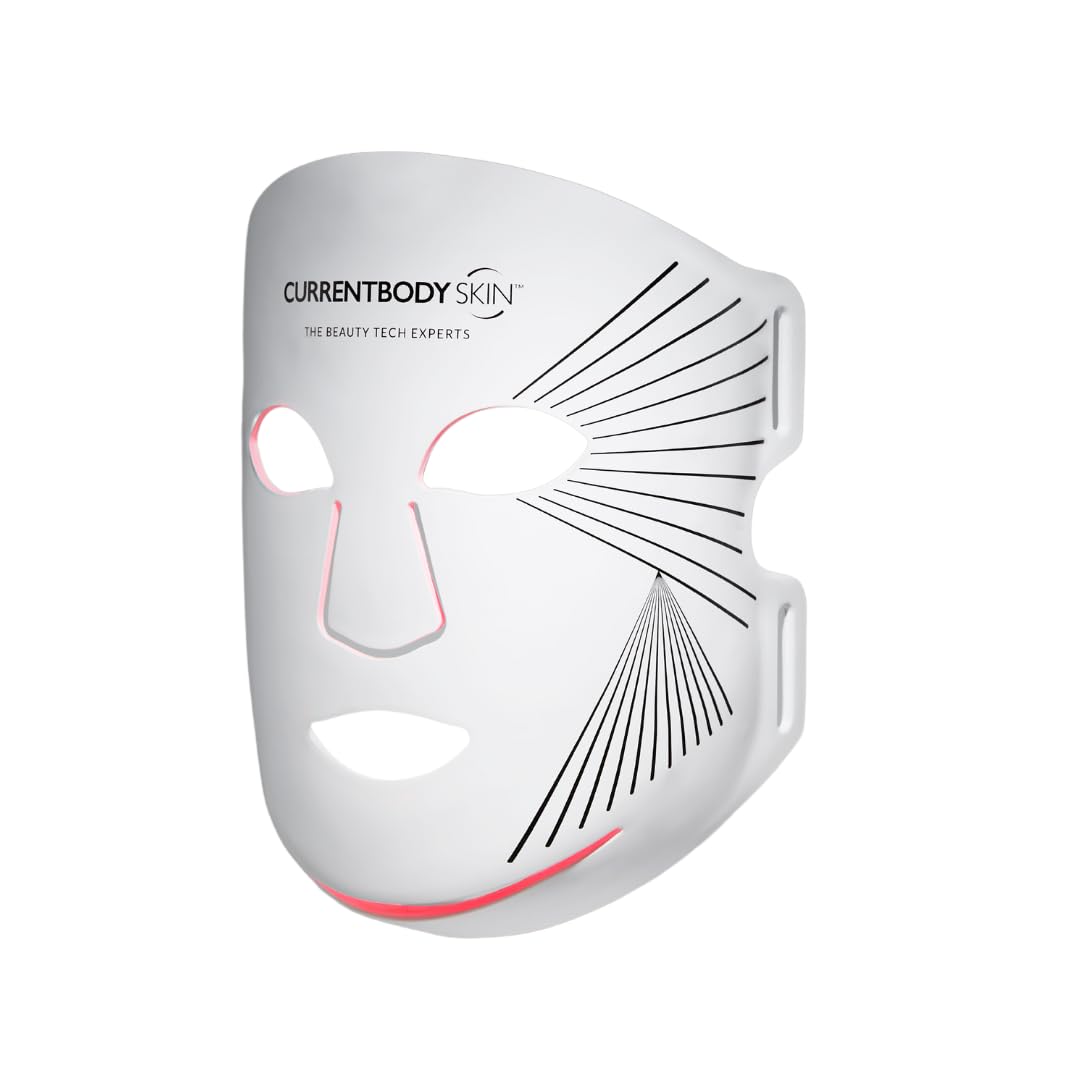 | 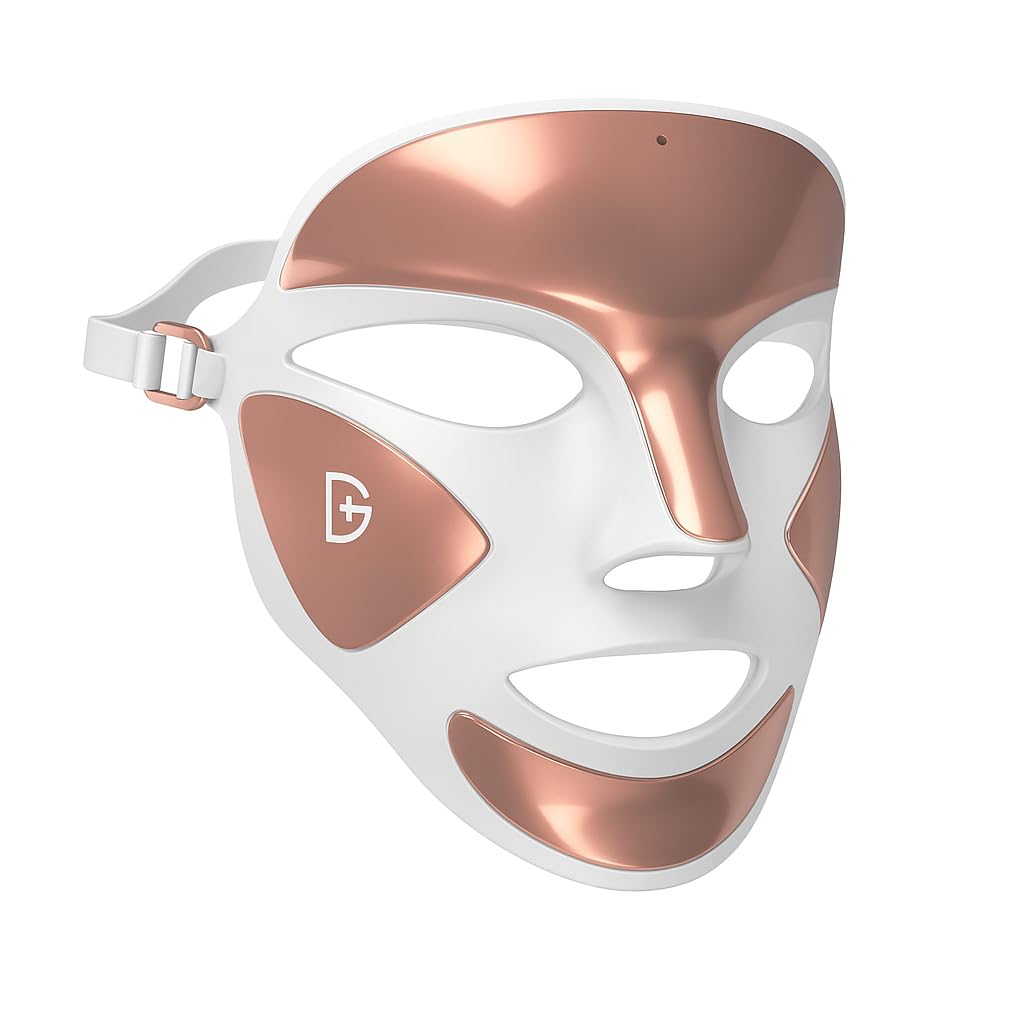 |  |  | |
Best for | Overall anti-aging simplicity | Tech-forward multi-wavelength options | Ultra-busy routines | LED + relaxation vibes | Puffy under-eyes + multi-goal |
Red/NIR focus | Red 633nm + NIR | Red 633nm + NIR 830nm (some add 1072nm) | Red mode (plus other modes) | Red 633nm + IR 830nm options (plus blue) | Red ~630nm + IR ~830nm in aging mode (plus other options) |
Typical session time | 10 min | Often presented as 10 min in coverage; varies by model | 3 min | Guided routine commonly ~9 min (version-dependent) | LED modes ~4–8 min; cooling can run longer |
Standout feature | Straightforward “gold standard” pairing | Deep NIR options (some models) | Fastest habit-builder | Gentle vibration + LED | Under-eye cooling |
Who should skip | If you want bells/whistles | If you want the simplest setup | If you want “spa experience” | If you hate vibration/weight | If you hate bulky gadgets/noise |
Price |  | | | | |
How LuxuryShimmer Beats the Competition
Across top-ranking pages, the same gaps appear:
- They conflate wavelength with device type.
“Red light” is not a device. It’s a specific band of light. - They imply one is “stronger” without defining dose.
Power and exposure time matter more than labels. - They don’t explain near-infrared’s role in wrinkle care.
Many wrinkle-focused protocols rely on both red and near-infrared. - They avoid real-world usage differences.
Wearability and consistency affect outcomes more than branding.
This guide ranks better by separating physics, biology, and behavior—not just repeating marketing language.
First, let’s define the terms (clearly)
What “red light” actually means
Red light refers to a visible wavelength range, typically around 630–660 nanometers (nm).
For wrinkle care, red light matters because it:
- penetrates beyond the skin surface into the dermis
- interacts with fibroblasts (collagen-producing cells)
- supports cellular energy and repair signaling
Red light is a component, not a product.
- Best “buy once, use forever” anti-aging pick: Omnilux Contour Face (simple, clinically standard red + near-infrared combo).
- Best for spec-lovers (more wavelengths, more tech): CurrentBody Skin LED Mask (adds deep near-infrared options depending on model).
- Best “I only have 3 minutes” mask: Dr. Dennis Gross SpectraLite FaceWare Pro.
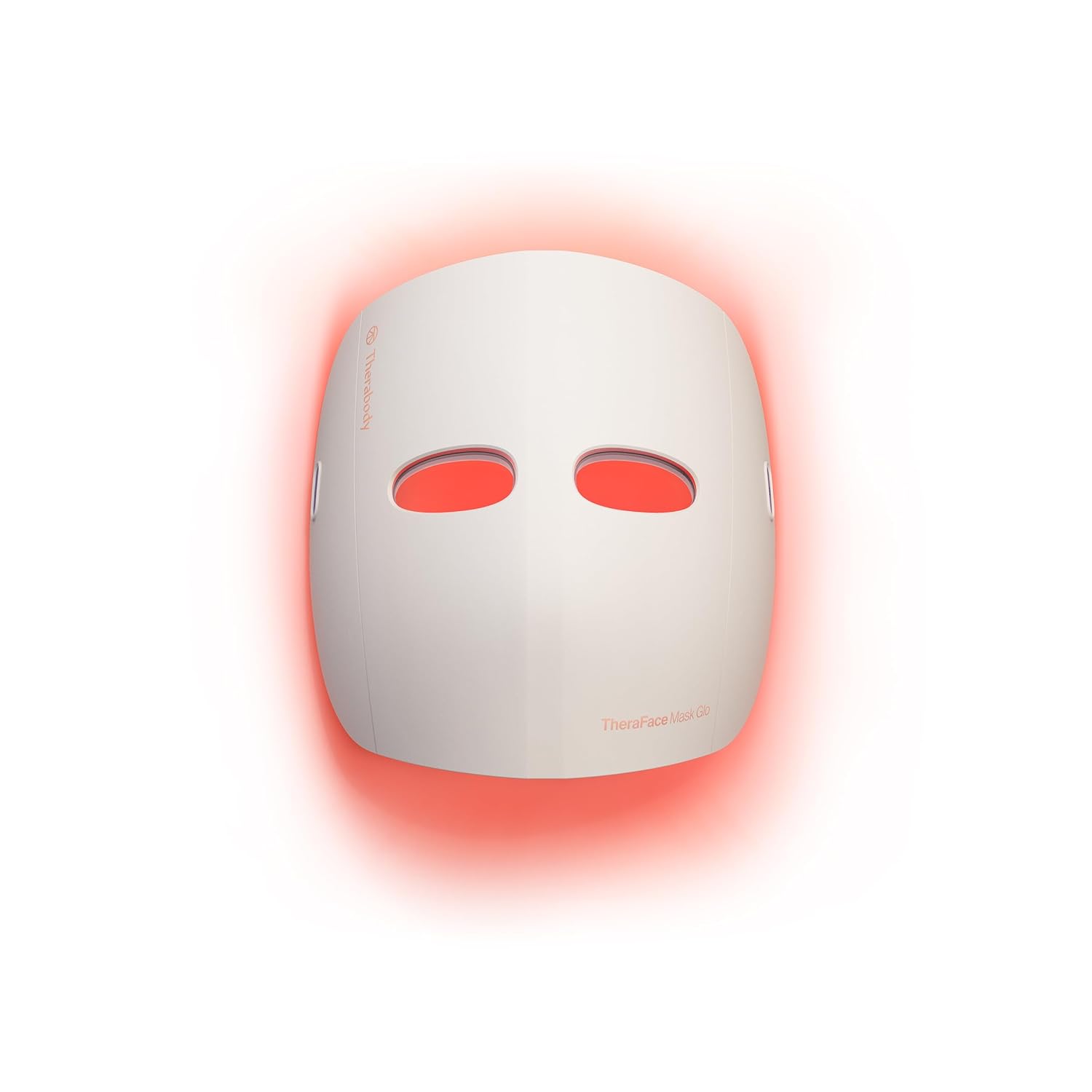
- Best if you want LED + relaxation: Therabody TheraFace Mask (LED + gentle vibration).
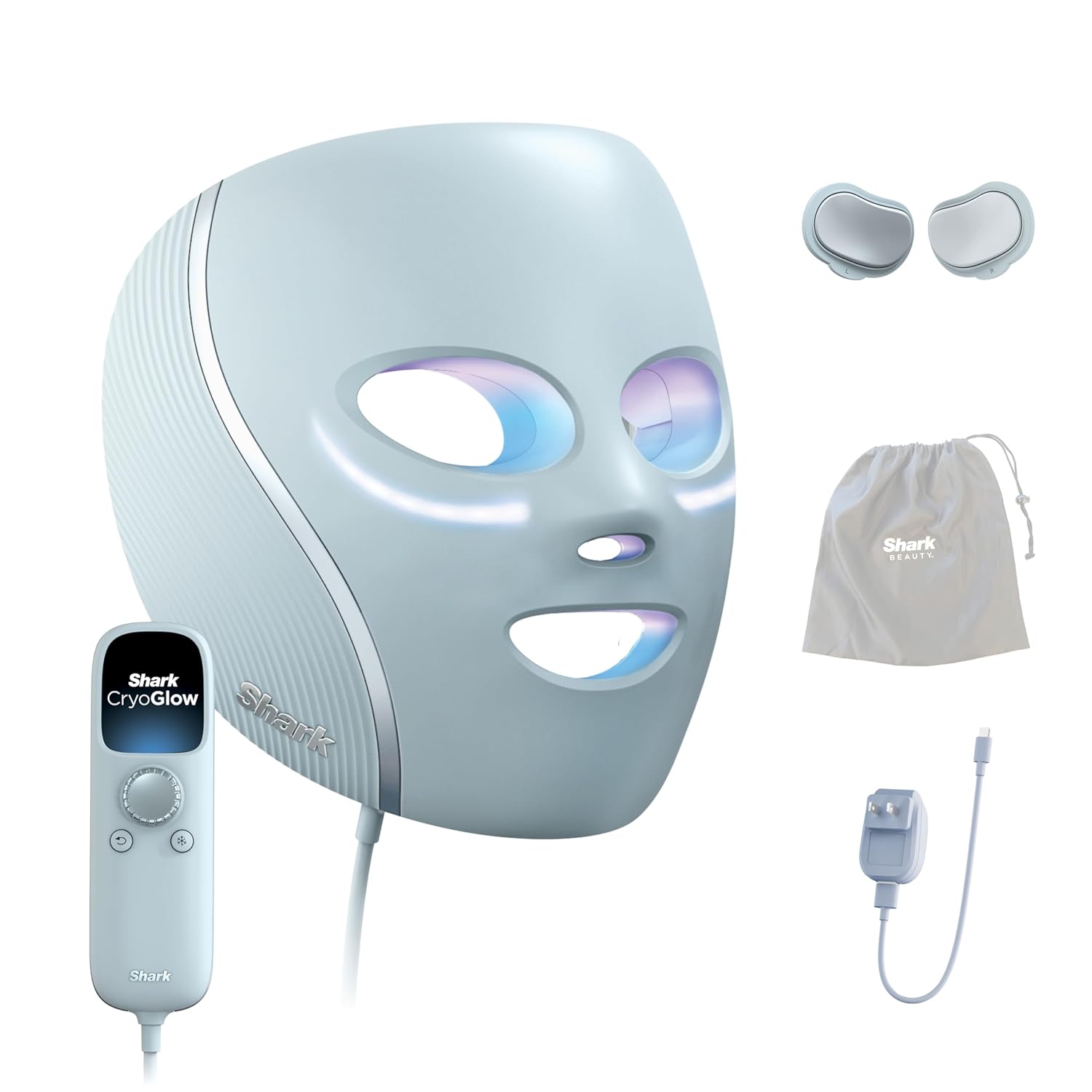
- Best for tired, puffy under-eyes (instant payoff): Shark CryoGlow (LED + under-eye cooling).
What an “LED face mask” actually is
An LED face mask is a wearable device that uses light-emitting diodes (LEDs) to deliver light to the face at close range.
An LED mask can emit:
- red light
- near-infrared light
- blue or other colors
So an LED mask may—or may not—be a “red light” device, depending on what wavelengths it emits.
The key distinction for wrinkle care
Red light = wavelength
LED face mask = delivery method
For wrinkles, the relevant question is not:
“Red light or LED mask?”
It’s:
Does this LED mask deliver wrinkle-relevant wavelengths (red ± near-infrared) at a useful dose, in a way I’ll use consistently?
Recommended Products
Feature | |||||
|---|---|---|---|---|---|
| | | | | |
Best for | Overall anti-aging simplicity | Tech-forward multi-wavelength options | Ultra-busy routines | LED + relaxation vibes | Puffy under-eyes + multi-goal |
Red/NIR focus | Red 633nm + NIR | Red 633nm + NIR 830nm (some add 1072nm) | Red mode (plus other modes) | Red 633nm + IR 830nm options (plus blue) | Red ~630nm + IR ~830nm in aging mode (plus other options) |
Typical session time | 10 min | Often presented as 10 min in coverage; varies by model | 3 min | Guided routine commonly ~9 min (version-dependent) | LED modes ~4–8 min; cooling can run longer |
Standout feature | Straightforward “gold standard” pairing | Deep NIR options (some models) | Fastest habit-builder | Gentle vibration + LED | Under-eye cooling |
Who should skip | If you want bells/whistles | If you want the simplest setup | If you want “spa experience” | If you hate vibration/weight | If you hate bulky gadgets/noise |
Price | | | | | |
Where near-infrared fits into the comparison
Many competitor articles leave this out entirely.
Near-infrared light (commonly ~830–850 nm)
- Invisible to the eye
- Penetrates deeper than visible red light
- Often paired with red light in wrinkle-focused protocols
For wrinkle care:
- Red light tends to affect surface-to-mid dermal layers
- Near-infrared supports deeper tissue signaling
This is why many wrinkle-oriented LED approaches use red + near-infrared together, rather than red alone.
If an article compares “red light vs LED masks” without mentioning near-infrared, it’s incomplete.
Does one work better for wrinkles?
When “red light” seems better
People sometimes say “red light works better” when they’re comparing:
- targeted red light exposure
- versus devices that include many colors with less focus
In that context, precision can outperform variety.
But it’s not because red light is a different technology—it’s because the wavelength is better matched to wrinkle biology.
When LED masks work better
LED masks often win in practice because:
- they deliver light evenly across the face
- they sit close to the skin (reducing energy loss)
- they’re hands-free, improving consistency
For wrinkle care, consistent exposure over weeks matters more than how the light is delivered, as long as the wavelength and dose are appropriate.
Why dose and consistency matter more than labels
This is the biggest gap in competitor content.
Wrinkle improvement depends on:
- wavelength (what kind of light)
- dose (how much energy reaches the skin)
- frequency (how often you use it)
You can have:
- “red light” with too little dose → minimal results
- an LED mask with red + near-infrared used consistently → visible improvement
Labels don’t create results. Biology does.
Common myths vs facts
Myth: Red light and LED masks are different technologies
→ Red light is a wavelength. LED is just how it’s produced.
Myth: One is always stronger than the other
→ Strength depends on intensity and time, not the name.
Myth: More colors mean better wrinkle care
→ For wrinkles, targeted wavelengths matter more than variety.
Myth: If it’s not called “red light,” it won’t help wrinkles
→ Many LED masks deliver red light without using that label prominently.
Which approach makes more sense for wrinkle care?
From an evidence-aligned perspective:
- Wrinkles respond best to red light, often supported by near-infrared
- LED face masks are a convenient, consistent delivery method
- The “winner” is whichever setup delivers the right wavelengths, at a meaningful dose, often enough
So the difference isn’t red light vs LED mask—it’s focused wrinkle-relevant light vs unfocused or inconsistent use.
FAQ: Red Light vs LED Face Masks
Is red light the same as an LED face mask?
No. Red light is a wavelength; an LED face mask is a device that may (or may not) emit red light.
Which is better for wrinkles: red light or LED masks?
For wrinkles, the best option is one that delivers red (and often near-infrared) light consistently—regardless of the label.
Do LED masks always use red light?
Not always. Some include red light, others emphasize different colors.
Does near-infrared matter for wrinkle care?
It often complements red light by reaching deeper skin layers involved in wrinkle formation.
Should I choose based on name or specs?
Specs and usage matter more than what the device is called.
Bottom line
When it comes to red light vs LED face masks for wrinkle care, the difference isn’t about teams or trends.
It’s about precision vs confusion.
Wrinkles respond to:
- specific wavelengths (red ± near-infrared)
- sufficient dose
- consistent use over time
An LED face mask that delivers those reliably can support wrinkle improvement. One that doesn’t, regardless of how it’s marketed, won’t.
Other Interesting Articles
- Best Red Light Therapy Mask (2026): Top 5 Worth the Money
- Shark CryoGlow vs Solawave Mask: Which LED Mask Is the Smarter Buy?
- Shark CryoGlow vs TheraFace Mask: Which LED Face Mask Is Actually Worth It?
- Shark CryoGlow vs Omnilux: Which Red Light Mask is Best?
About LuxuryShimmer
LuxuryShimmer breaks down beauty tech the way you’d explain it to a friend: what matters, what doesn’t, and what you’ll realistically keep using.