I'm a participant in the Amazon Services LLC Associates Program, an affiliate advertising program designed to provide a means for me to earn fees by linking to Amazon.com and affiliated sites.
If you’re asking Are LED face masks safe for long-term use on aging skin?, you’re thinking one step ahead of most beauty coverage — and that’s a good thing.
This question usually comes after someone understands the potential benefits and starts wondering:
- What happens if I use this for months… or years?
- Can light exposure thin skin, age it faster, or cause damage over time?
- Is this actually safe for older, more fragile skin?
Here’s the clear, evidence-aligned answer upfront:
For most people, LED face masks are considered low-risk for long-term use when used correctly — but safety depends on wavelength, heat, frequency, skin type, and how well your skin tolerates stimulation as it ages.
This is an information-only guide built to address the specific long-term safety concerns competitors often gloss over or oversimplify.
Recommended Products
Feature | |||||
|---|---|---|---|---|---|
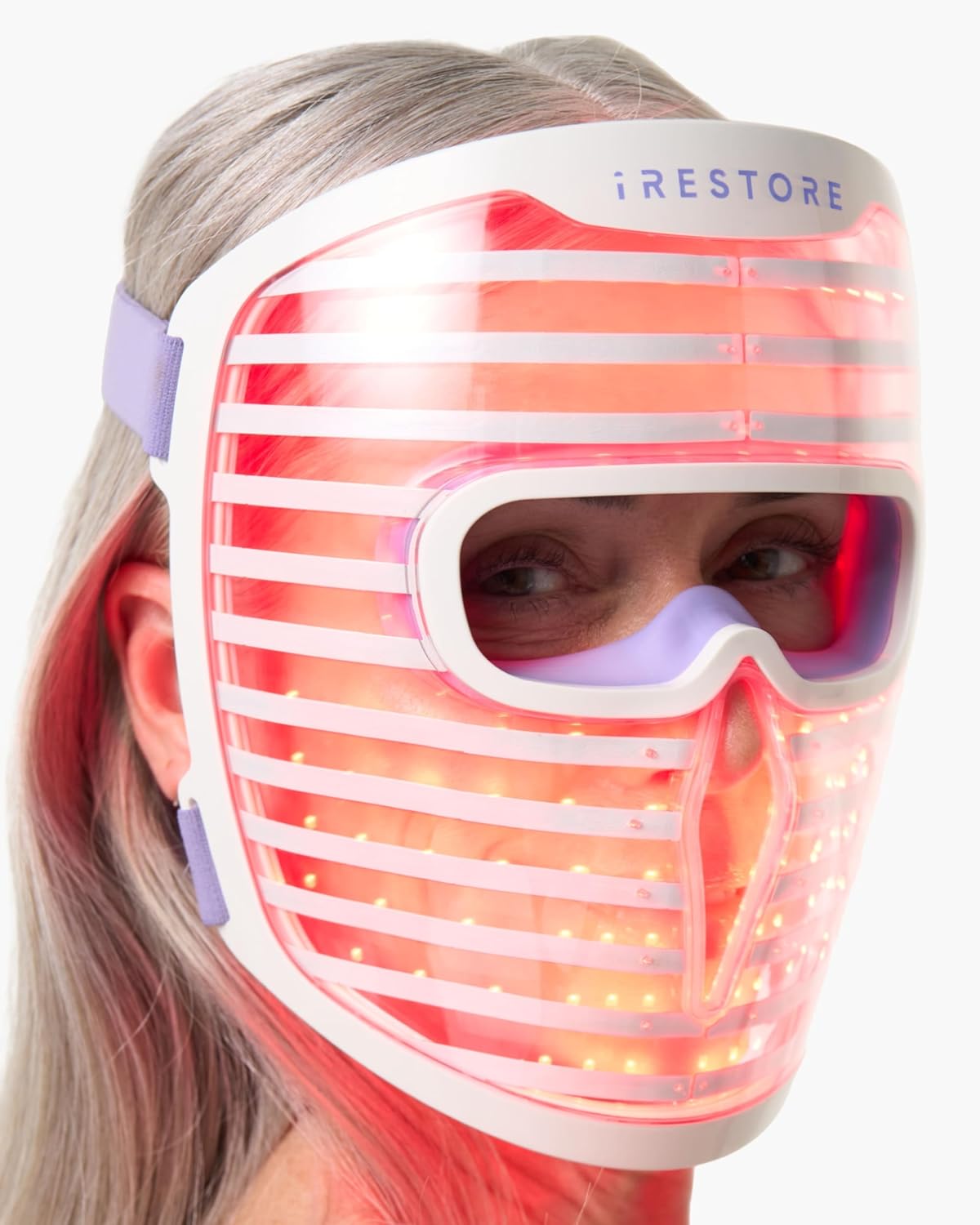 | 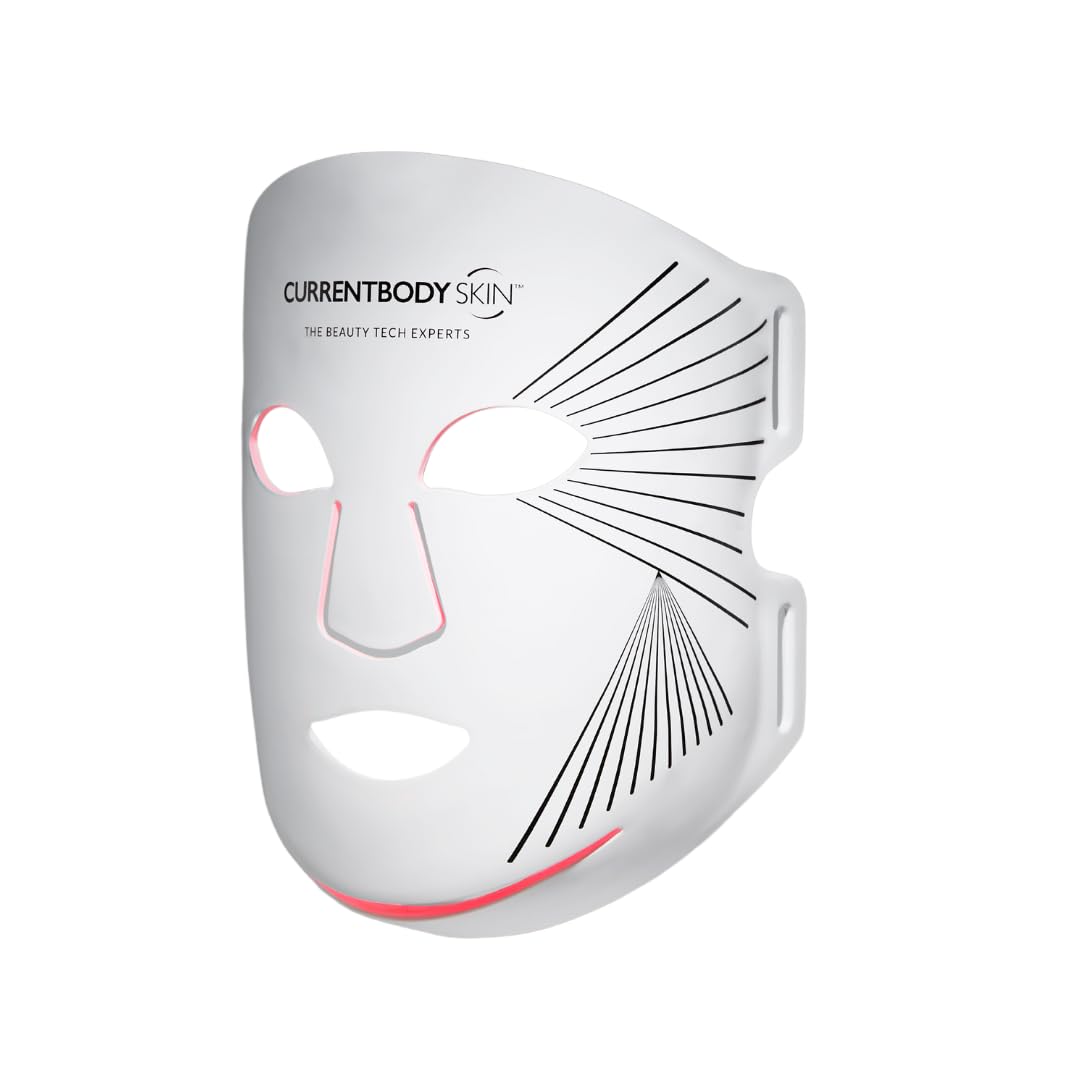 | 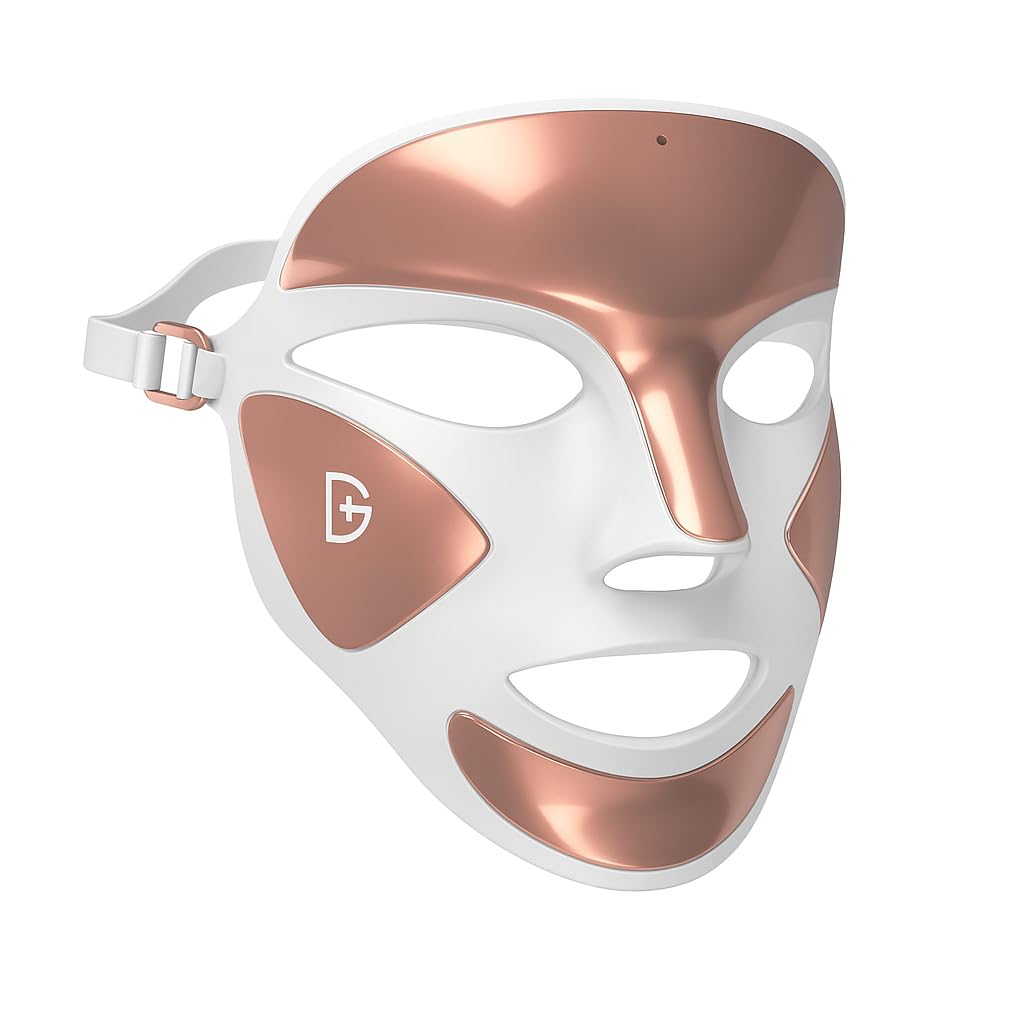 |  |  | |
Best for | Overall anti-aging simplicity | Tech-forward multi-wavelength options | Ultra-busy routines | LED + relaxation vibes | Puffy under-eyes + multi-goal |
Red/NIR focus | Red 633nm + NIR | Red 633nm + NIR 830nm (some add 1072nm) | Red mode (plus other modes) | Red 633nm + IR 830nm options (plus blue) | Red ~630nm + IR ~830nm in aging mode (plus other options) |
Typical session time | 10 min | Often presented as 10 min in coverage; varies by model | 3 min | Guided routine commonly ~9 min (version-dependent) | LED modes ~4–8 min; cooling can run longer |
Standout feature | Straightforward “gold standard” pairing | Deep NIR options (some models) | Fastest habit-builder | Gentle vibration + LED | Under-eye cooling |
Who should skip | If you want bells/whistles | If you want the simplest setup | If you want “spa experience” | If you hate vibration/weight | If you hate bulky gadgets/noise |
Price |  | | | | |
What Our Competitors Get Wrong
Across top-ranking pages, the same problems appear:
- They only discuss short-term safety
(eye protection, no UV) — but not years of use. - They treat aging skin the same as young skin
Aging skin responds differently to heat and stimulation. - They ignore pigmentation and heat sensitivity
Especially relevant for melasma-prone users. - They don’t explain cumulative exposure
LED is low-energy, but repetition still matters biologically.
This article ranks better by addressing long-term context, not just immediate safety.
First: what “safe” actually means in this context
When we talk about long-term safety for LED face masks, we’re asking whether repeated exposure can:
- damage DNA or cells
- thin the skin
- worsen wrinkles or laxity
- increase pigmentation risk
- harm eyes or deeper tissues
Understanding safety means understanding what LED light does not do.
- Best “buy once, use forever” anti-aging pick: Omnilux Contour Face (simple, clinically standard red + near-infrared combo).
- Best for spec-lovers (more wavelengths, more tech): CurrentBody Skin LED Mask (adds deep near-infrared options depending on model).
- Best “I only have 3 minutes” mask: Dr. Dennis Gross SpectraLite FaceWare Pro.
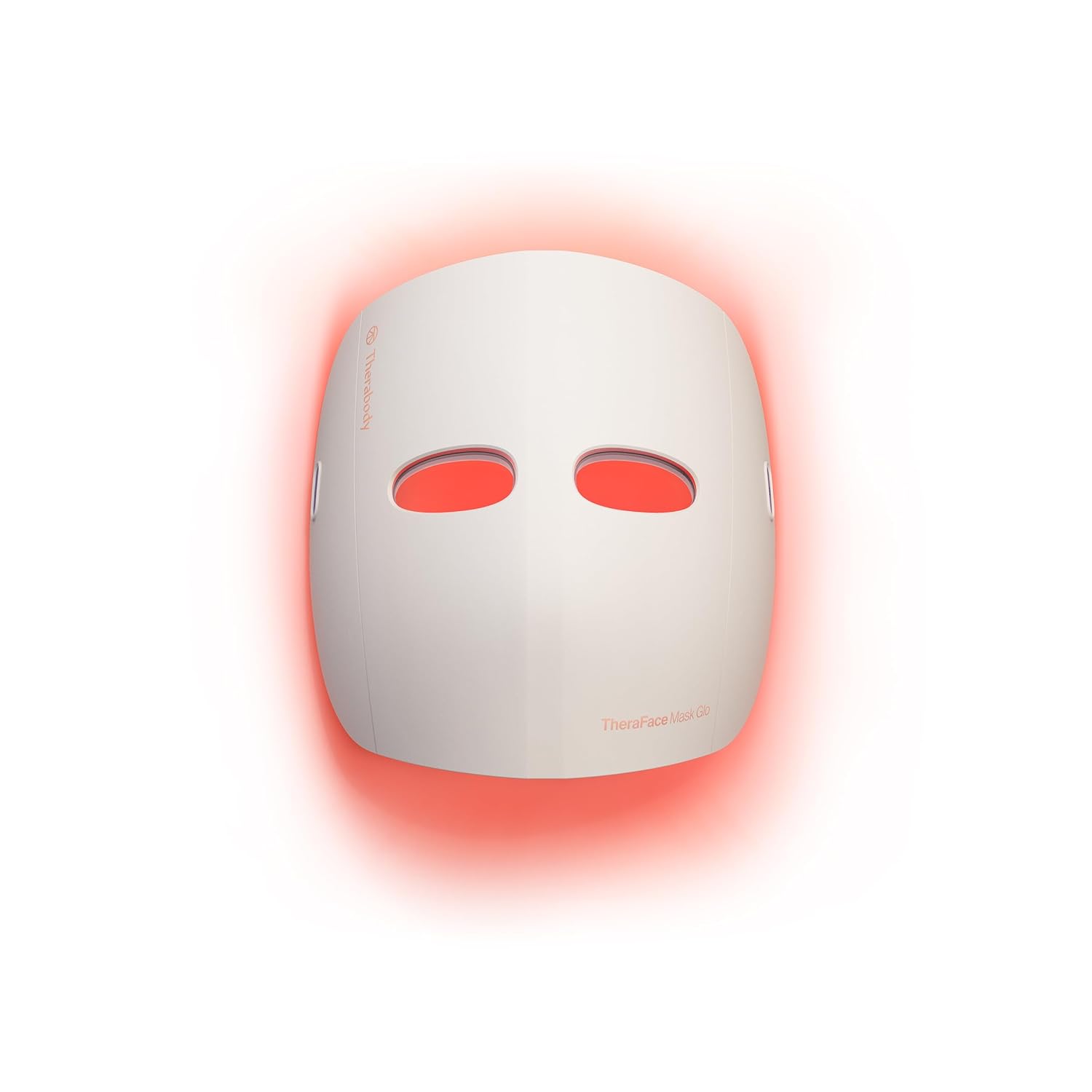
- Best if you want LED + relaxation: Therabody TheraFace Mask (LED + gentle vibration).
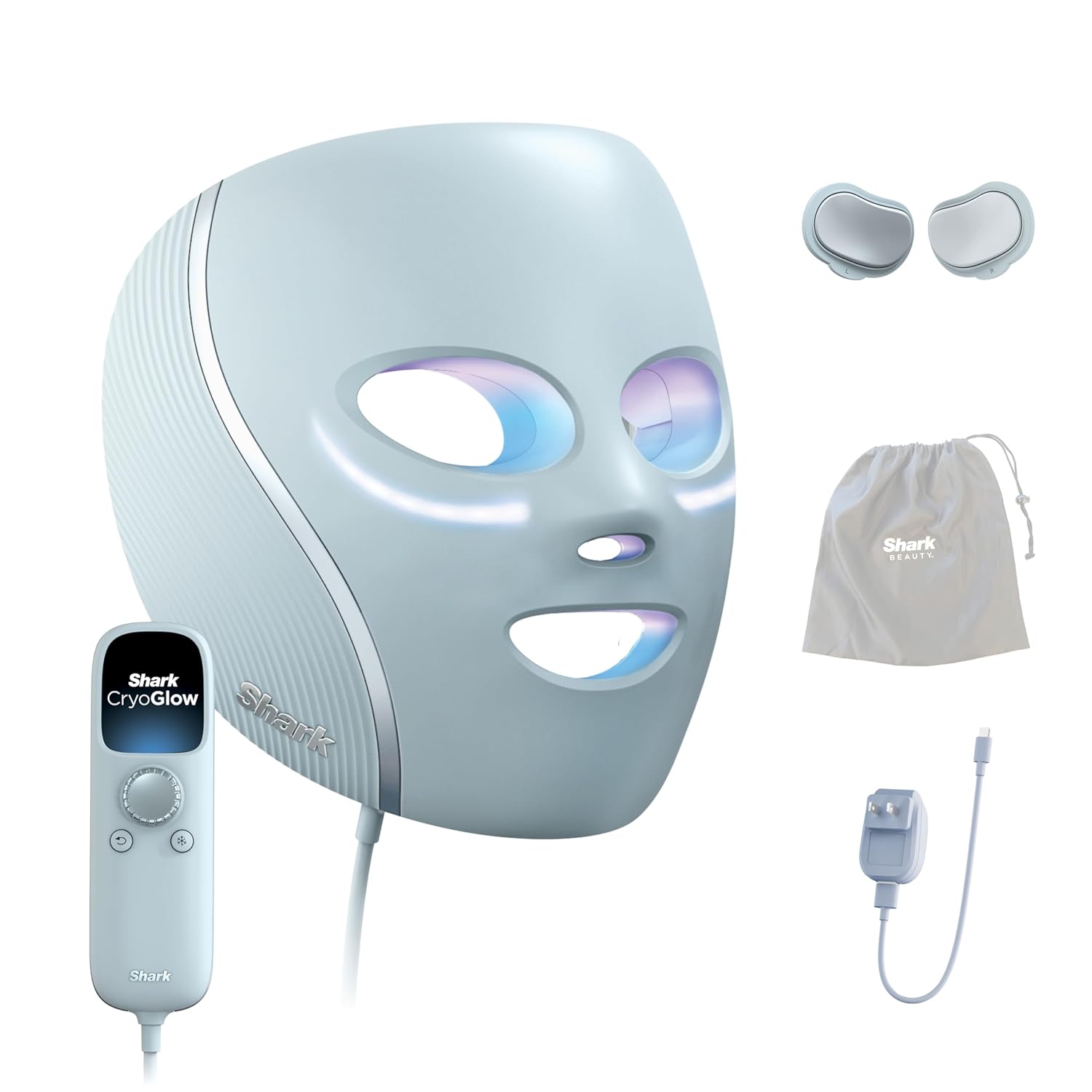
- Best for tired, puffy under-eyes (instant payoff): Shark CryoGlow (LED + under-eye cooling).
What LED face masks do not emit (important for safety)
Most consumer LED face masks:
- do not emit UV light
- operate at much lower energy levels than lasers
- do not heat tissue to destructive temperatures when used properly
This is a major reason LED therapy is generally considered lower risk than many in-office procedures.
However, “lower risk” does not mean “risk-free for everyone.”
How aging skin changes the safety equation
As skin ages:
- the epidermis thins
- barrier recovery slows
- blood flow changes
- pigment regulation becomes less stable
These changes don’t make LED unsafe — but they change how skin tolerates stimulation.
What younger skin shrugs off easily, aging skin may need more recovery time from.
Recommended Products
Feature | |||||
|---|---|---|---|---|---|
| | | | | |
Best for | Overall anti-aging simplicity | Tech-forward multi-wavelength options | Ultra-busy routines | LED + relaxation vibes | Puffy under-eyes + multi-goal |
Red/NIR focus | Red 633nm + NIR | Red 633nm + NIR 830nm (some add 1072nm) | Red mode (plus other modes) | Red 633nm + IR 830nm options (plus blue) | Red ~630nm + IR ~830nm in aging mode (plus other options) |
Typical session time | 10 min | Often presented as 10 min in coverage; varies by model | 3 min | Guided routine commonly ~9 min (version-dependent) | LED modes ~4–8 min; cooling can run longer |
Standout feature | Straightforward “gold standard” pairing | Deep NIR options (some models) | Fastest habit-builder | Gentle vibration + LED | Under-eye cooling |
Who should skip | If you want bells/whistles | If you want the simplest setup | If you want “spa experience” | If you hate vibration/weight | If you hate bulky gadgets/noise |
Price | | | | | |
The biggest long-term safety factors to understand
1) Wavelength matters
For aging skin, safety is closely tied to which wavelengths are used.
- Red and near-infrared light penetrate to depths associated with collagen and repair pathways and are the most studied for rejuvenation.
- Blue light acts more superficially and is typically used for acne — not aging.
Long-term wrinkle-focused use usually centers on red ± near-infrared, not blue.
Using wavelengths mismatched to your goal doesn’t just waste time — it can increase irritation risk without benefit.
2) Heat accumulation matters more than light itself
One of the most overlooked safety considerations is heat.
LED masks may feel warm, especially with:
- long sessions
- frequent use
- poor ventilation
- stacking other heat triggers (hot showers, saunas, intense exercise)
Some dermatologists report that heat — not the light itself — is often the trigger behind pigmentation issues or skin stress, particularly in aging or melasma-prone skin.
This is why more frequent use isn’t always safer or better.
3) Frequency and recovery determine long-term tolerance
LED works through cellular signaling, not tissue destruction. That’s good — but it still requires recovery.
Long-term safety improves when:
- sessions are spaced appropriately
- skin is allowed to recover between uses
- frequency is adjusted if irritation appears
Using LED daily for years isn’t inherently unsafe — but it isn’t automatically beneficial either.
4) Pigmentation risk deserves honest discussion
This is one area competitors often avoid.
Some clinicians report seeing worsening melasma or hyperpigmentation in susceptible individuals using LED devices, particularly when:
- heat builds up
- blue light is used frequently
- sessions are excessive
This doesn’t mean LED causes pigmentation for everyone — but pigment-prone aging skin needs caution and monitoring.
5) Eye safety still matters long-term
While LED masks typically avoid UV:
- prolonged light exposure near the eyes still requires caution
- following manufacturer guidance (eye shields, closed eyes) is important
- people with eye conditions should consult a professional before long-term use
Eye safety isn’t just a short-term concern.
What long-term LED use does not appear to do
Based on available evidence and clinical experience, properly used LED masks do not appear to:
- thin the skin
- accelerate aging
- cause cancer
- damage collagen
- create permanent sensitivity in most users
If LED caused these issues broadly, it wouldn’t be used so widely in dermatology offices.
Who should be more cautious with long-term use
You should take a conservative approach if you:
- are prone to melasma or post-inflammatory hyperpigmentation
- have very sensitive or reactive skin
- have a history of photosensitivity
- are using strong actives that already stress the skin barrier
- have eye or retinal conditions
“Safe” is personal — not universal.
How to use LED masks more safely over the long term
Without naming products, these principles matter:
- prioritize consistency over intensity
- avoid stacking heat triggers
- adjust frequency if skin shows stress
- monitor pigmentation changes over time
- support the skin barrier with hydration and sun protection
- don’t chase faster results with more sessions
Long-term safety is about sustainability, not maximizing exposure.
FAQ: Are LED Face Masks Safe for Long-Term Use on Aging Skin?
Are LED face masks safe to use for years?
For most people, LED face masks are considered low-risk when used properly, but long-term tolerance depends on skin type, frequency, and heat management.
Can LED light damage aging skin?
There’s no strong evidence that properly used LED damages aging skin, but overuse or heat buildup can stress sensitive skin.
Is red light safer than blue light for long-term use?
Red and near-infrared light are more commonly used for aging skin; blue light is typically reserved for acne and may require more caution for pigment-prone skin.
Can LED make wrinkles worse over time?
LED itself doesn’t worsen wrinkles, but irritation or inflammation from overuse can temporarily make skin look worse.
Should older skin use LED less often?
Some aging skin benefits from slightly more recovery time between sessions, but this varies by individual.
Bottom line
Are LED face masks safe for long-term use on aging skin?
For most people, yes — when used thoughtfully.
LED therapy is generally considered:
- low-energy
- non-destructive
- supportive rather than aggressive
But long-term safety depends on:
- using the right wavelengths
- managing heat and frequency
- respecting skin sensitivity and pigmentation risk
- allowing adequate recovery
The safest LED routine is the one your skin tolerates well for years, not weeks.
Other Interesting Articles
- Best Red Light Therapy Mask (2026): Top 5 Worth the Money
- Shark CryoGlow vs Solawave Mask: Which LED Mask Is the Smarter Buy?
- Shark CryoGlow vs TheraFace Mask: Which LED Face Mask Is Actually Worth It?
- Shark CryoGlow vs Omnilux: Which Red Light Mask is Best?
About LuxuryShimmer
LuxuryShimmer breaks down beauty tech the way you’d explain it to a friend: what matters, what doesn’t, and what you’ll realistically keep using.