I'm a participant in the Amazon Services LLC Associates Program, an affiliate advertising program designed to provide a means for me to earn fees by linking to Amazon.com and affiliated sites.
If you have sensitive skin or you’re melasma-prone, an LED face mask can feel like a gamble. That’s why you need to find LED face masks for sensitive or melasma-prone skin.
You want the glow, the smoother texture, the “less tired” look.
But you don’t want to trigger redness, flushing, or that creeping “why is this patch darker?” moment.
Here’s the truth up front:
LED masks can be low-risk for many people, but melasma-prone and easily irritated skin needs a more cautious approach—because heat and certain types of visible light (especially blue) can contribute to hyperpigmentation in susceptible skin.
This guide is information-only. It’s built to rank by doing what competitor articles often don’t: separating “LED is generally safe” from “LED is safe for your skin type long-term.”
Recommended Products
Feature | |||||
|---|---|---|---|---|---|
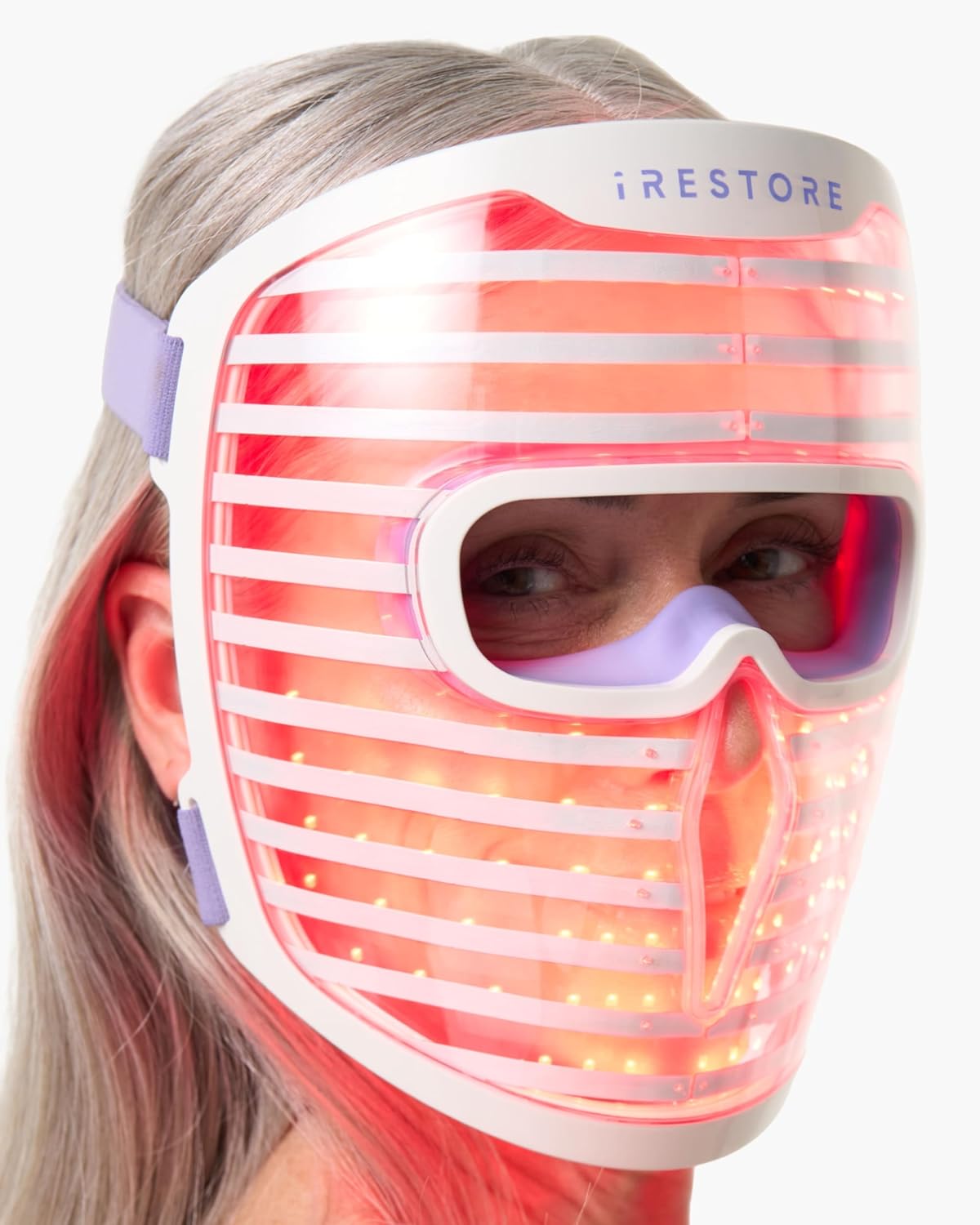 | 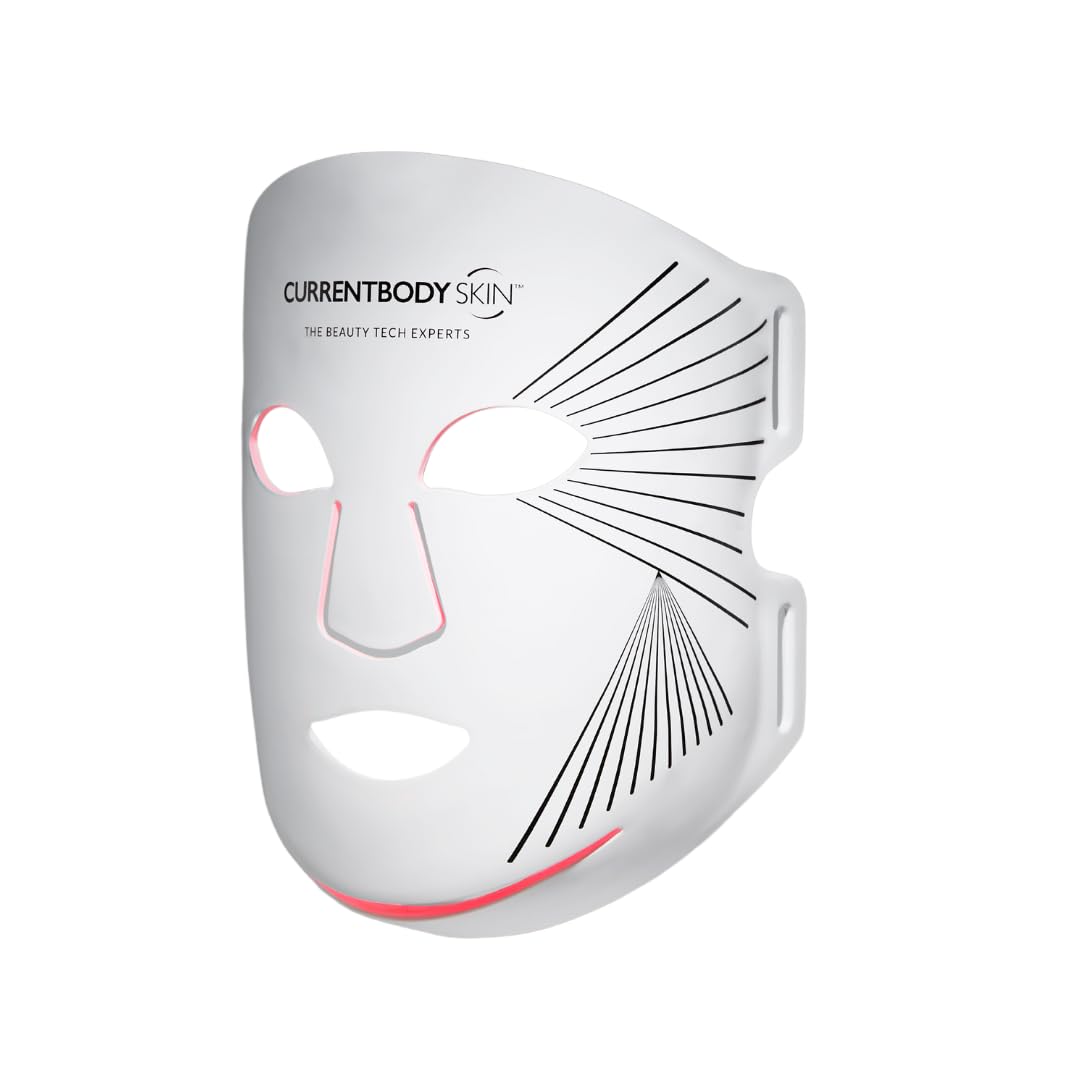 | 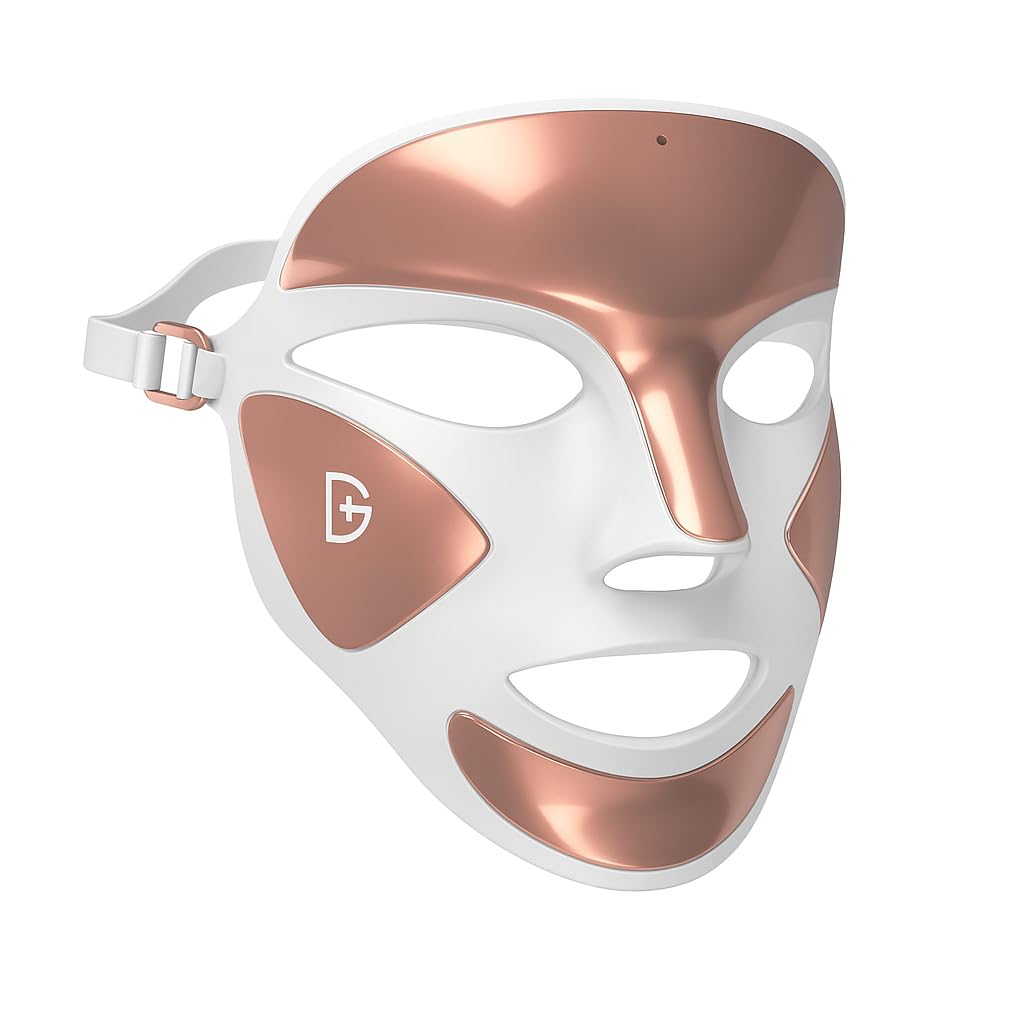 | 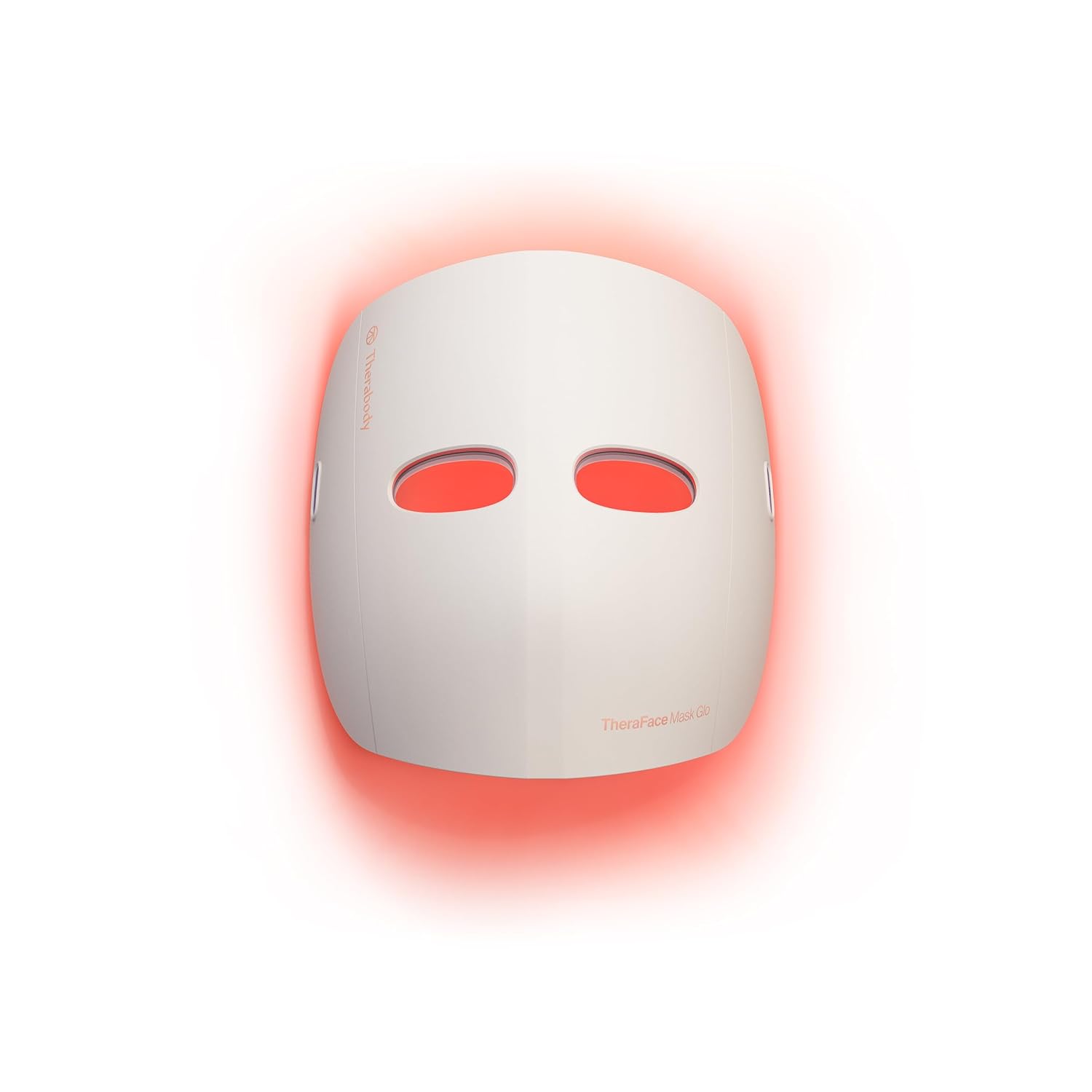 | 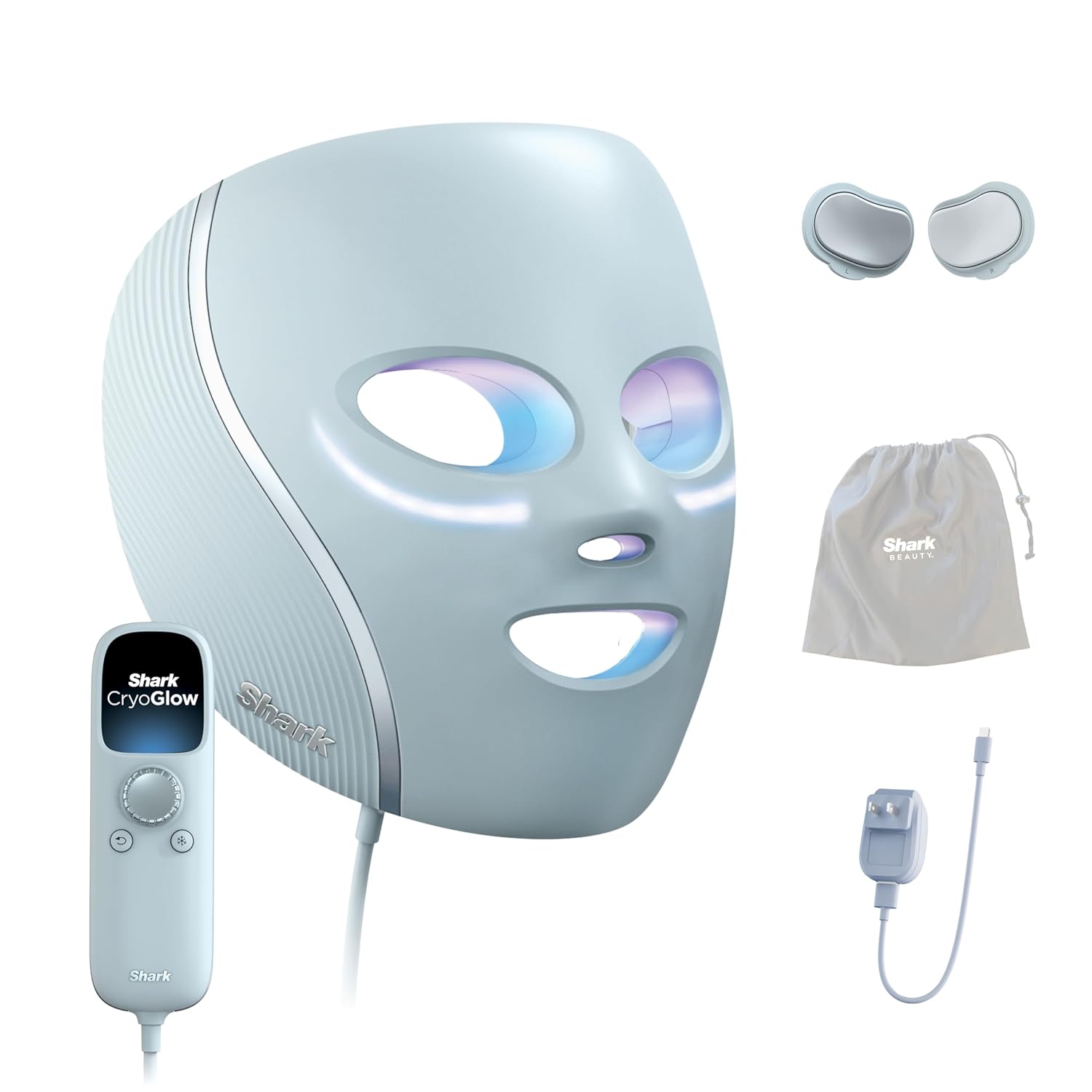 | |
Best for | Overall anti-aging simplicity | Tech-forward multi-wavelength options | Ultra-busy routines | LED + relaxation vibes | Puffy under-eyes + multi-goal |
Red/NIR focus | Red 633nm + NIR | Red 633nm + NIR 830nm (some add 1072nm) | Red mode (plus other modes) | Red 633nm + IR 830nm options (plus blue) | Red ~630nm + IR ~830nm in aging mode (plus other options) |
Typical session time | 10 min | Often presented as 10 min in coverage; varies by model | 3 min | Guided routine commonly ~9 min (version-dependent) | LED modes ~4–8 min; cooling can run longer |
Standout feature | Straightforward “gold standard” pairing | Deep NIR options (some models) | Fastest habit-builder | Gentle vibration + LED | Under-eye cooling |
Who should skip | If you want bells/whistles | If you want the simplest setup | If you want “spa experience” | If you hate vibration/weight | If you hate bulky gadgets/noise |
Price |  | | | | |
What Most Articles Miss
The big gaps I see in competing content:
- They don’t distinguish melasma from general pigmentation. Melasma is uniquely reactive to light and heat triggers.
- They gloss over visible light. UVA/UVB isn’t the whole story for melasma—visible light matters too.
- They don’t talk about heat management. Dermatologists are increasingly pointing to heat as a trigger in some cases with device use.
- They skip a “test protocol.” Sensitive skin needs a ramp-up plan, not a full schedule on day one.
So let’s fix all of that.
First: why melasma-prone skin is different
Melasma isn’t just “dark spots.” It’s a pattern of pigment that can be influenced by:
- UV
- visible light
- heat
- hormones
- inflammation
Visible light from the sun can increase hyperpigmentation—especially in deeper skin tones—and dermatology guidance often recommends tinted, iron-oxide sunscreen to help protect against visible light.
That matters because some LED routines unintentionally add more light + more heat to a skin type that’s already reactive.
- Best “buy once, use forever” anti-aging pick: Omnilux Contour Face (simple, clinically standard red + near-infrared combo).
- Best for spec-lovers (more wavelengths, more tech): CurrentBody Skin LED Mask (adds deep near-infrared options depending on model).
- Best “I only have 3 minutes” mask: Dr. Dennis Gross SpectraLite FaceWare Pro.
- Best if you want LED + relaxation: Therabody TheraFace Mask (LED + gentle vibration).
- Best for tired, puffy under-eyes (instant payoff): Shark CryoGlow (LED + under-eye cooling).
The real risk with LED masks isn’t usually “damage”
Let’s be specific.
LED red light has been studied for safety at relatively high exposures in controlled settings.
And reputable medical sources describe red light therapy as generally safe when used appropriately.
So why do some people with melasma feel worse?
Because for pigment-prone skin, the trigger is often skin stress, especially:
- heat buildup
- frequent sessions
- adding blue light when it’s not needed
Dermatologists have raised concerns that device heat (and in some cases blue/infrared exposure) may exacerbate melasma for certain individuals.
Blue light is the one to think twice about (if pigment is your issue)
Blue light (high-energy visible light) has evidence showing it can induce hyperpigmentation, especially in darker skin, and it’s discussed in dermatology literature as a contributor to pigmentary issues.
There’s also research in melasma patients looking at blue-light exposure and pigmentation changes at different doses.
What this means in real life:
If you’re using LED primarily for aging/texture and you’re melasma-prone, blue light is usually not the “default choice.” (It’s more acne-oriented.)
Recommended Products
Feature | |||||
|---|---|---|---|---|---|
| | | | | |
Best for | Overall anti-aging simplicity | Tech-forward multi-wavelength options | Ultra-busy routines | LED + relaxation vibes | Puffy under-eyes + multi-goal |
Red/NIR focus | Red 633nm + NIR | Red 633nm + NIR 830nm (some add 1072nm) | Red mode (plus other modes) | Red 633nm + IR 830nm options (plus blue) | Red ~630nm + IR ~830nm in aging mode (plus other options) |
Typical session time | 10 min | Often presented as 10 min in coverage; varies by model | 3 min | Guided routine commonly ~9 min (version-dependent) | LED modes ~4–8 min; cooling can run longer |
Standout feature | Straightforward “gold standard” pairing | Deep NIR options (some models) | Fastest habit-builder | Gentle vibration + LED | Under-eye cooling |
Who should skip | If you want bells/whistles | If you want the simplest setup | If you want “spa experience” | If you hate vibration/weight | If you hate bulky gadgets/noise |
Price | | | | | |
A decision guide: should sensitive or melasma-prone skin use LED at all?
Use this as your gut-check:
LED may be worth a cautious trial if…
- Your main goals are texture, redness calming, or fine lines
- Your skin is stable right now (no current flare)
- You’re willing to start slowly and track changes
LED is a “pause and ask a derm” situation if…
- Your melasma is active/worsening
- Heat is a known trigger for you (hot yoga, sauna, summer flares)
- You recently started hormones, pregnancy/postpartum changes, or have medication-related photosensitivity concerns
The “start low and prove it” protocol (best practice for reactive skin)
If you try LED, don’t start with a full routine.
Step 1: Patch-test behavior, not just product
Do a short session, then wait 48–72 hours.
You’re watching for delayed:
- redness
- tightness/burning
- new or darker patches
Step 2: Ramp up slowly
Increase frequency only if skin stays calm.
The goal is tolerance first, results second.
Step 3: Keep everything else boring
During your first few weeks, reduce variables:
- don’t introduce new acids/retinoids
- don’t add heat-heavy routines right after
- don’t “stack” multiple device treatments
Reactive skin hates chaos.
Heat management is your best friend
Even if the light itself is fine, heat can be the trigger for melasma-prone skin in some reports.
Practical heat rules:
- Don’t use it right after a hot shower, workout, or sauna
- If your face feels warm afterward, shorten sessions or reduce frequency
- If your mask runs warm, prioritize fewer sessions over longer ones
With melasma, “more” is rarely better.
Your daily sunscreen matters more than your mask
This is the part people skip—then blame the LED.
For melasma-prone skin, protection isn’t only UV. Visible light can worsen hyperpigmentation, and dermatology guidance points to tinted sunscreen with iron oxides for visible-light protection.
If you use LED but you’re casual about sunscreen, you can end up net-neutral (or worse) on pigment.
Signs LED is NOT agreeing with your skin
Stop and reassess if you notice:
- persistent redness that doesn’t settle by next day
- increasing sensitivity/tightness over a week
- melasma patches darkening
- new blotchy pigmentation
Derm advice in mainstream coverage: if discoloration worsens, discontinue and consult a dermatologist.
What usually does work well alongside melasma-prone routines
Not as a product list—just a strategy:
- Calm barrier first
- Avoid heat spirals
- Be religious about tinted SPF
- Use pigment-safe actives (a derm can guide what fits your skin)
That “calm + protect + steady” rhythm is what melasma responds to.
FAQ: LED Face Masks for Sensitive or Melasma-Prone Skin
Can LED face masks make melasma worse?
They can in some individuals, especially if heat is a trigger or if visible light exposure (like blue light) is overused. Dermatologists have reported cases where device use appeared to exacerbate melasma.
Is red light safe for sensitive skin?
Often, yes—red light therapy is generally described as low-risk when used appropriately, but sensitive skin still benefits from a slow ramp-up and careful monitoring.
Should melasma-prone skin avoid blue light?
Blue light has evidence linking it to hyperpigmentation effects and is commonly discussed in pigment biology literature, so melasma-prone skin should be cautious and intentional with it.
What’s the safest way to test an LED mask if I’m pigment-prone?
Start with short exposure, wait 48–72 hours, ramp slowly, and track changes with photos in consistent lighting.
Do I need tinted sunscreen if I have melasma?
Dermatology guidance notes visible light can worsen hyperpigmentation and recommends tinted sunscreen with iron oxides for added visible-light protection.
Bottom line
LED face masks aren’t automatically “unsafe” for sensitive or melasma-prone skin—but they’re not a casual add-on either.
If pigment is your top fear, your priorities are:
- avoid heat overload
- be cautious with blue light
- treat tinted SPF as non-negotiable
- ramp slowly and monitor like it matters
Other Interesting Articles
- Best Red Light Therapy Mask (2026): Top 5 Worth the Money
- Shark CryoGlow vs Solawave Mask: Which LED Mask Is the Smarter Buy?
- Shark CryoGlow vs TheraFace Mask: Which LED Face Mask Is Actually Worth It?
- Shark CryoGlow vs Omnilux: Which Red Light Mask is Best?
About LuxuryShimmer
LuxuryShimmer breaks down beauty tech the way you’d explain it to a friend: what matters, what doesn’t, and what you’ll realistically keep using.