I'm a participant in the Amazon Services LLC Associates Program, an affiliate advertising program designed to provide a means for me to earn fees by linking to Amazon.com and affiliated sites.
LED face masks are one of those beauty tools that can quietly level up skin quality—but only if you use them in a way your skin can actually benefit from. That’s why you need to know the biggest mistakes people make when using LED face masks.
The problem? Most people don’t “fail” because LED is fake. They fail because they make a few repeatable mistakes that sabotage consistency, dose, and skin tolerance.
Here are the biggest ones (and how to fix them), in a way most guides don’t: practical, specific, and honest.
Recommended Products
Feature | |||||
|---|---|---|---|---|---|
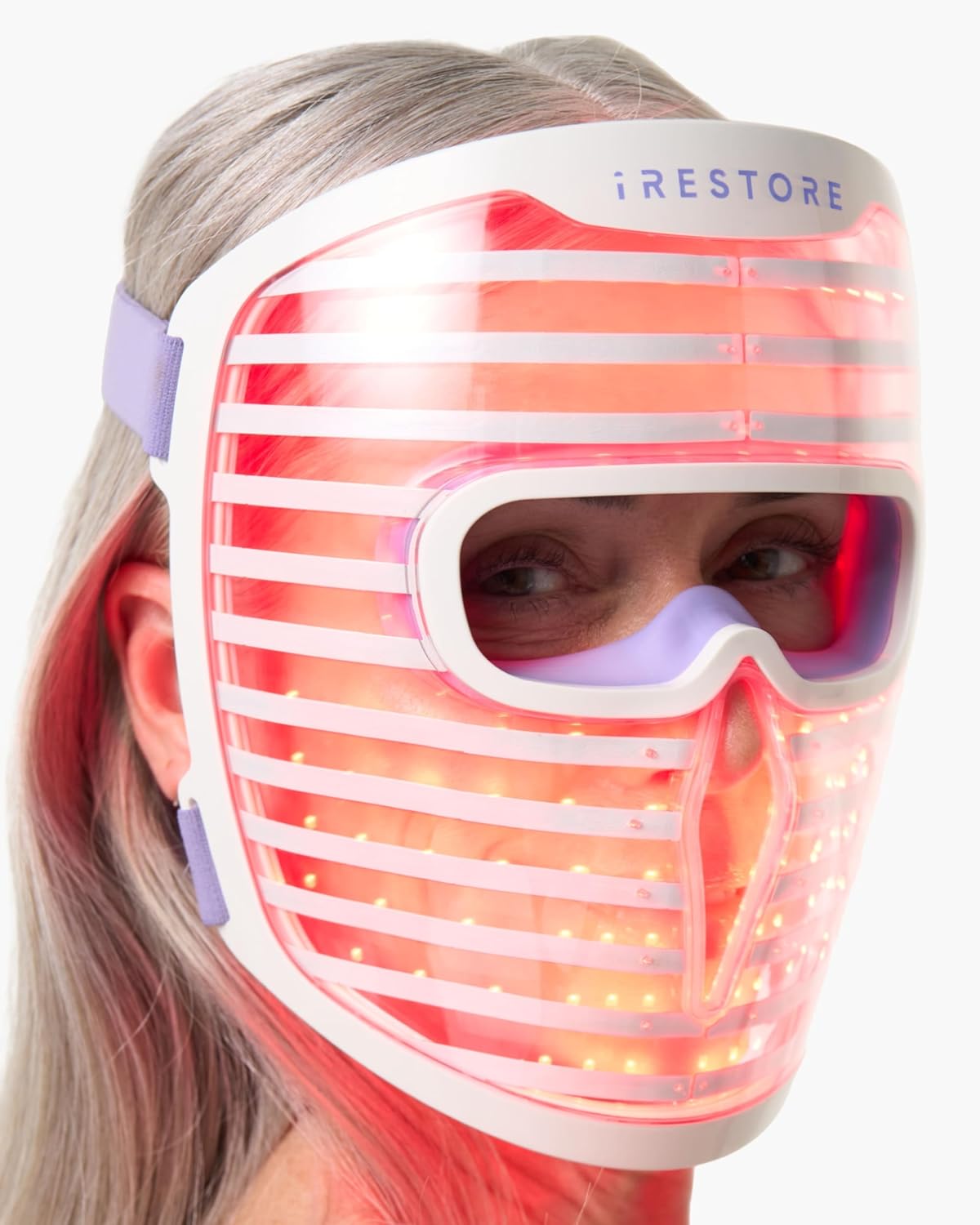 | 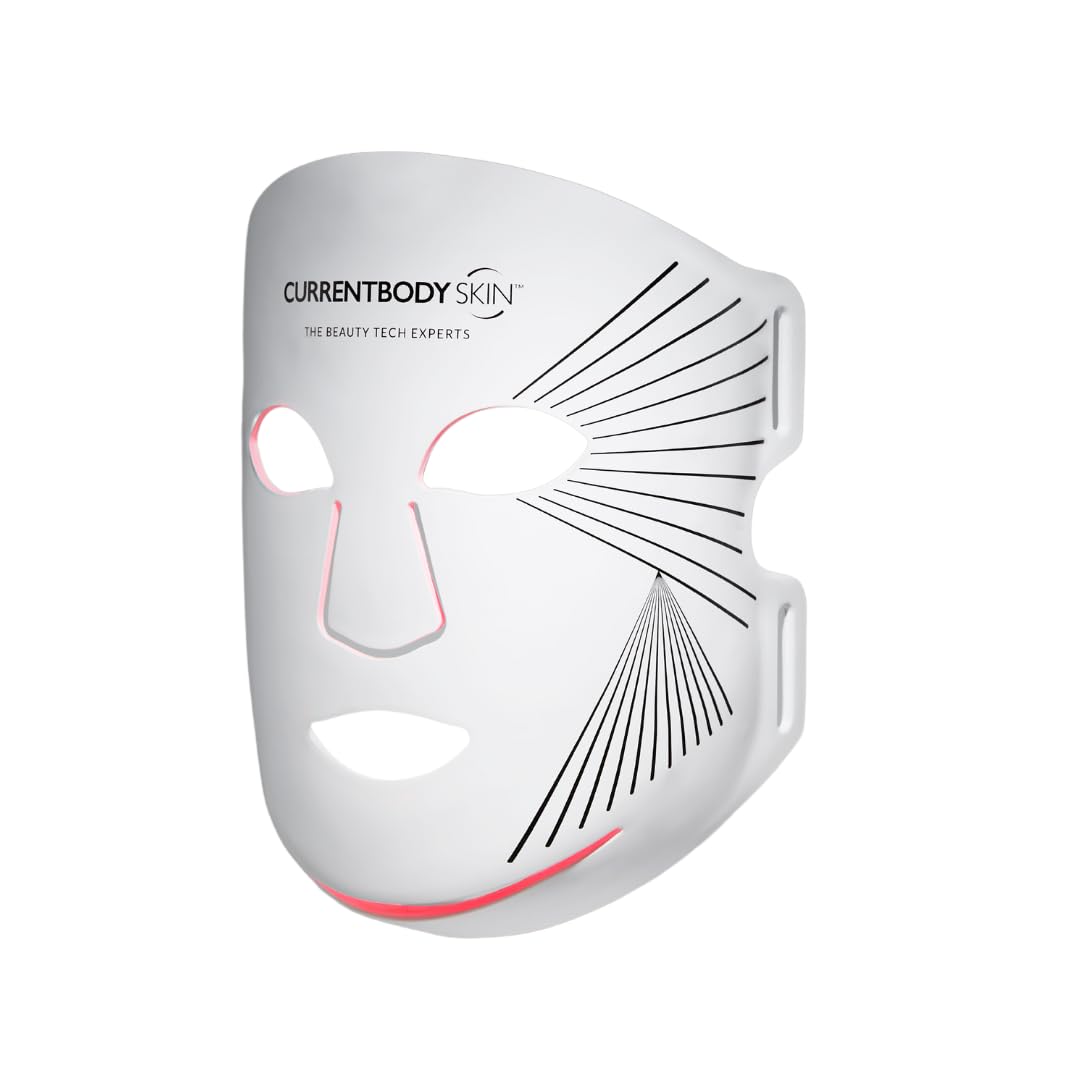 | 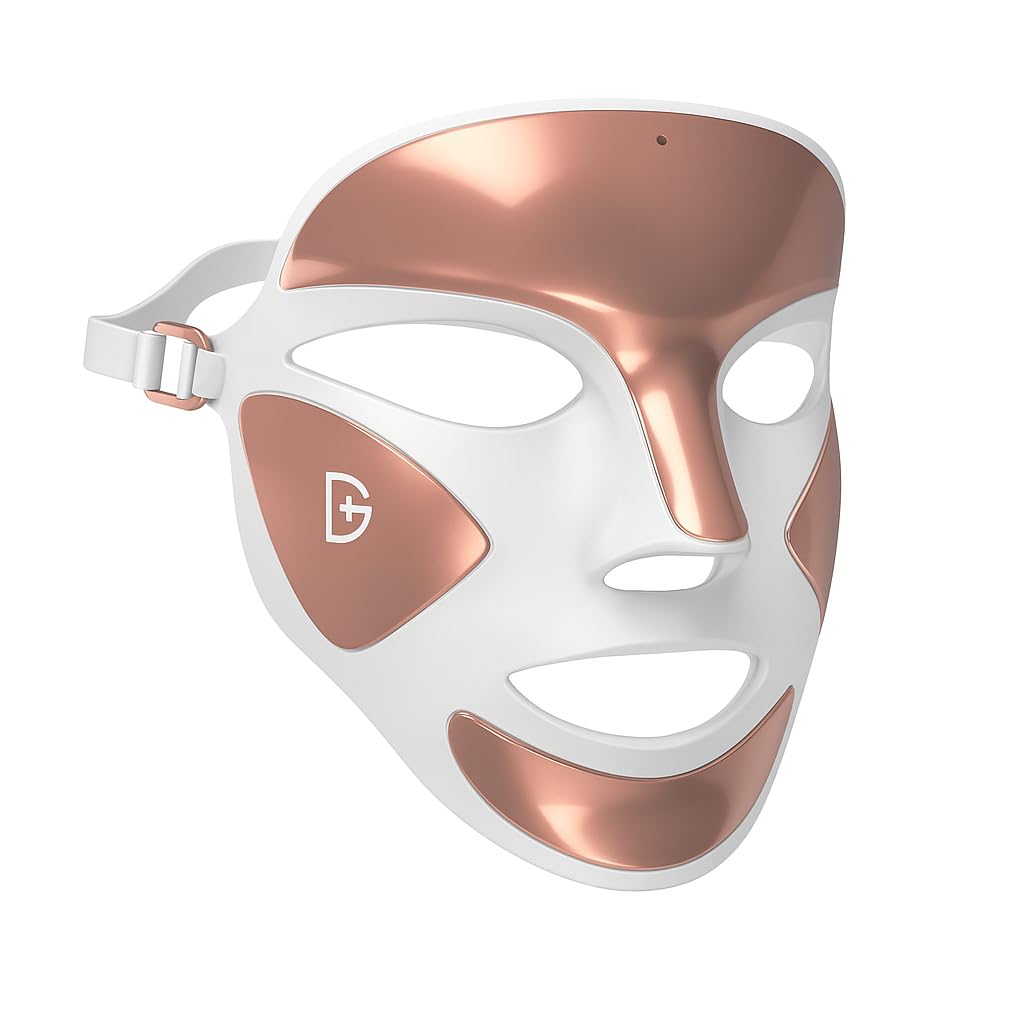 |  |  | |
Best for | Overall anti-aging simplicity | Tech-forward multi-wavelength options | Ultra-busy routines | LED + relaxation vibes | Puffy under-eyes + multi-goal |
Red/NIR focus | Red 633nm + NIR | Red 633nm + NIR 830nm (some add 1072nm) | Red mode (plus other modes) | Red 633nm + IR 830nm options (plus blue) | Red ~630nm + IR ~830nm in aging mode (plus other options) |
Typical session time | 10 min | Often presented as 10 min in coverage; varies by model | 3 min | Guided routine commonly ~9 min (version-dependent) | LED modes ~4–8 min; cooling can run longer |
Standout feature | Straightforward “gold standard” pairing | Deep NIR options (some models) | Fastest habit-builder | Gentle vibration + LED | Under-eye cooling |
Who should skip | If you want bells/whistles | If you want the simplest setup | If you want “spa experience” | If you hate vibration/weight | If you hate bulky gadgets/noise |
Price |  | | | | |
What Top Guides Usually Miss
Common gaps in top results:
- They obsess over “red vs blue” but ignore routine errors that matter more.
- They say “don’t expect miracles” but don’t explain how to track progress.
- They warn about safety without naming the real-world risk moments (eyes, photosensitizing meds, overheated skin).
- They skip the biggest truth: overuse can make skin look worse temporarily (tightness, dehydration, irritation).
Let’s fix all of it.
Mistake #1: Expecting visible wrinkle changes in a week
LED is not an instant “tightening” treatment. It supports gradual biological processes that take time.
What to do instead
- Judge results on a 4–8 week window, not day-to-day.
- Look for early wins first: texture, calmness, overall “skin quality.”
Reality check
If you’re using it for wrinkles, the early phase often looks like “nothing is happening”—until you compare photos.
- Best “buy once, use forever” anti-aging pick: Omnilux Contour Face (simple, clinically standard red + near-infrared combo).
- Best for spec-lovers (more wavelengths, more tech): CurrentBody Skin LED Mask (adds deep near-infrared options depending on model).
- Best “I only have 3 minutes” mask: Dr. Dennis Gross SpectraLite FaceWare Pro.
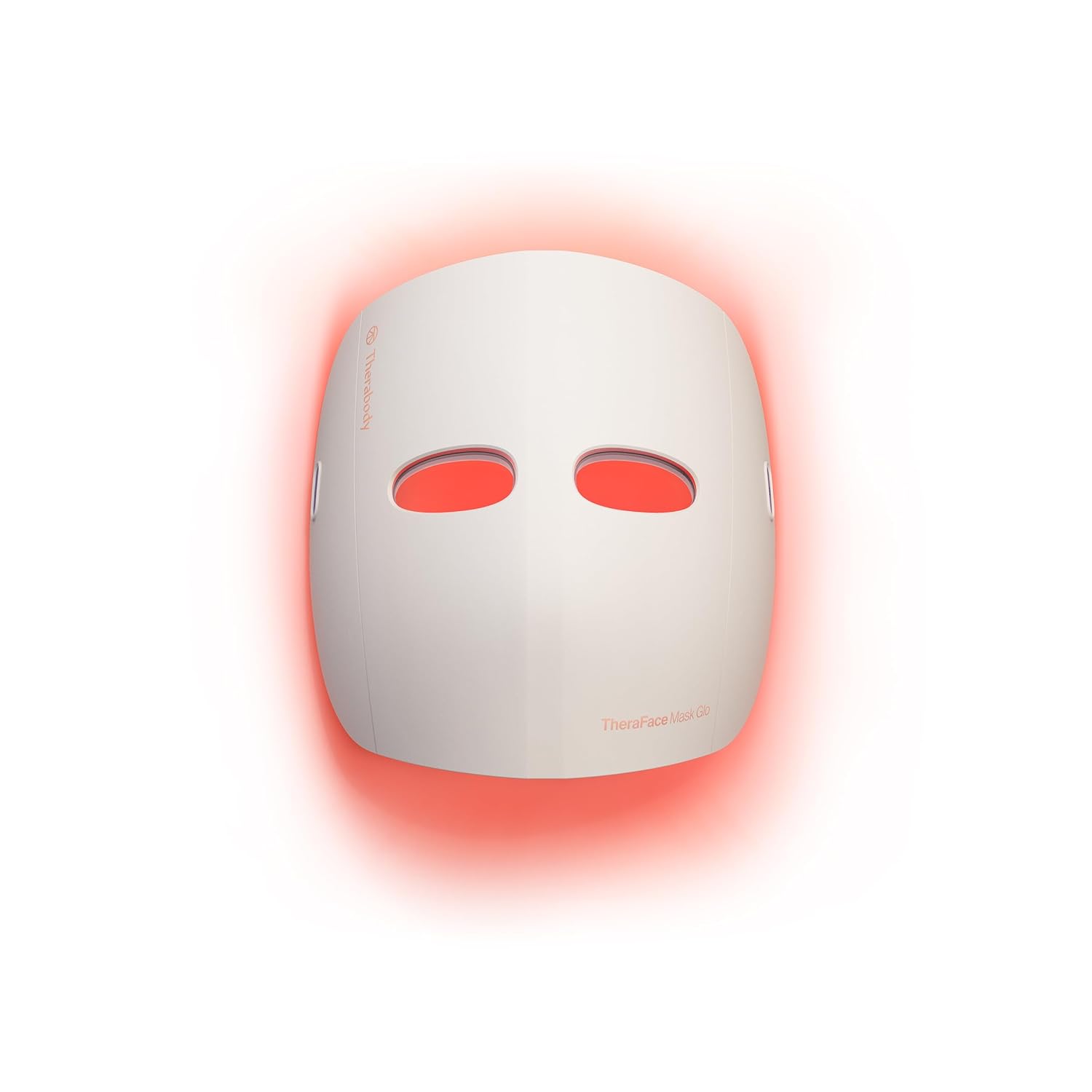
- Best if you want LED + relaxation: Therabody TheraFace Mask (LED + gentle vibration).
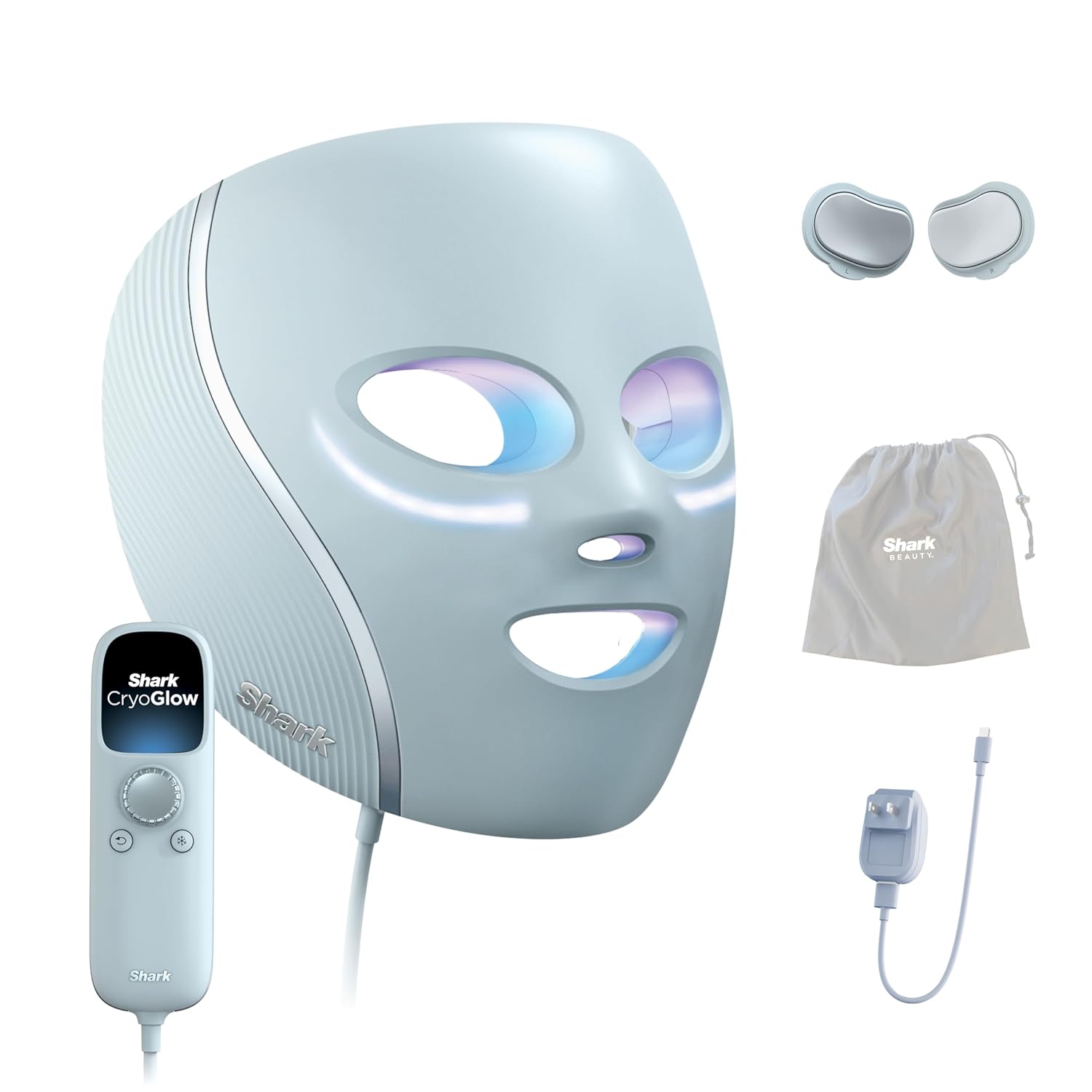
- Best for tired, puffy under-eyes (instant payoff): Shark CryoGlow (LED + under-eye cooling).
Mistake #2: Using it inconsistently
This is the #1 reason people get “meh” results.
LED is cumulative. Sporadic use turns a predictable timeline into a forever experiment. Frequency guidance across sources commonly lands in the several-times-per-week range for anti-aging goals.
Fix
Pick a schedule you can actually keep:
- “Every Monday/Wednesday/Friday” beats “daily for 5 days then never again.”
Mistake #3: Overusing it because you want faster results
Overuse doesn’t speed up collagen. It can stress the barrier, especially if your skin is already sensitive. Some guidance explicitly warns that daily use isn’t necessary and can slow progress via barrier overload.
Signs you’re doing too much
- lingering redness
- tightness or stinging
- makeup suddenly looking cakey
- fine lines looking sharper (often dehydration + irritation, not “new wrinkles”)
Fix
Pull back frequency and let your skin recover.
Recommended Products
Feature | |||||
|---|---|---|---|---|---|
| | | | | |
Best for | Overall anti-aging simplicity | Tech-forward multi-wavelength options | Ultra-busy routines | LED + relaxation vibes | Puffy under-eyes + multi-goal |
Red/NIR focus | Red 633nm + NIR | Red 633nm + NIR 830nm (some add 1072nm) | Red mode (plus other modes) | Red 633nm + IR 830nm options (plus blue) | Red ~630nm + IR ~830nm in aging mode (plus other options) |
Typical session time | 10 min | Often presented as 10 min in coverage; varies by model | 3 min | Guided routine commonly ~9 min (version-dependent) | LED modes ~4–8 min; cooling can run longer |
Standout feature | Straightforward “gold standard” pairing | Deep NIR options (some models) | Fastest habit-builder | Gentle vibration + LED | Under-eye cooling |
Who should skip | If you want bells/whistles | If you want the simplest setup | If you want “spa experience” | If you hate vibration/weight | If you hate bulky gadgets/noise |
Price | | | | | |
Mistake #4: Using it on a not-clean face (or over heavy skincare)
LED is typically recommended on clean, bare skin. Heavy layers can interfere with light reaching the skin, and some routines recommend applying strong actives like retinoids after your LED session (not before).
Fix
- Cleanse → LED → then moisturize.
- If you use retinoids, consider placing them after LED on the same night only if your skin tolerates it (and don’t stack irritation).
Mistake #5: Stacking LED with aggressive actives like it’s a competition
A lot of people accidentally build an “irritation sandwich”:
- LED + strong retinoid + exfoliating acid + vitamin C + “just one more thing”
The issue isn’t that any one step is bad. It’s that your skin doesn’t get recovery time—especially as it ages.
Fix
- On LED nights, keep the rest of the routine calm.
- If your skin is reactive, separate strong actives and LED into different nights.
Mistake #6: Ignoring heat (especially if you’re pigment-prone)
Heat is a sneaky disruptor. Some masks run warm, and long sessions can leave skin flushed—especially if you stack hot showers, workouts, or saunas nearby.
This matters most for:
- sensitive skin
- rosacea tendencies
- melasma / pigmentation-prone skin (where heat can be a trigger)
Fix
- Don’t do LED right after a hot shower/workout.
- Shorten sessions if you’re consistently warm afterward.
Mistake #7: Skipping eye safety basics
Red light therapy is generally considered low-risk when used properly and not aimed directly into eyes.
General light therapy guidance also flags retinal disease and photosensitizing meds as key contraindication areas.
Fix
- Follow device guidance for eye protection.
- If you have eye disease, light sensitivity issues, or you’re unsure about a medication, check with a clinician first.
Mistake #8: Not checking for photosensitizing meds or conditions
This gets skipped constantly because it’s not “fun skincare content.”
Certain medications and conditions can increase light sensitivity, which changes your risk profile for irritation.
Fix
If you’re on new meds, have lupus/photosensitivity, or a history of skin cancer concerns, treat LED as a medical-adjacent tool—not a toy. (That may mean medical guidance before you start.)
Mistake #9: Thinking “more colors” means “more anti-aging”
For wrinkles, the most relevant wavelengths tend to be red and near-infrared—yet “7 colors” marketing convinces people to bounce between modes without a goal.
Fix
Match the light to the goal:
- Acne-focused routines ≠ wrinkle-focused routines.
- Don’t rotate modes just because they exist.
Mistake #10: Not documenting results correctly (so you quit too early)
If you rely on daily mirror checks, you’ll miss slow improvements and assume nothing is happening.
Fix: the 2-minute tracking method
- Take baseline photos today (same lighting, same expression).
- Recheck at week 4 and week 8.
- Compare texture + tone + fine line sharpness, not perfection.
Mistake #11: Poor mask hygiene
It’s not glamorous, but it matters.
An occlusive device sitting against your skin can trap sweat, oil, and skincare residue. That can contribute to irritation or breakouts—then people blame the LED.
Fix
Clean the mask as directed. Make it part of the routine, not an afterthought.
Mistake #12: Forgetting that sunscreen is still the main anti-aging tool
LED can support skin quality, but UV exposure still breaks down collagen and drives visible aging.
Even critics of at-home LED emphasize that proven basics like sunscreen and retinoids deliver more tangible results for many people.
Fix
Treat LED as a bonus tool, not a substitute for sun protection.
Quick “Do This Instead” Checklist
- Use LED on clean, bare skin
- Pick a repeatable schedule you can keep (not a chaotic one)
- Avoid “more is better”—watch for skin stress
- Keep LED nights simple if you use strong actives
- Manage heat
- Respect eye safety and photosensitivity risks
- Track progress with photos, not daily mirror panic
- Keep sunscreen as your non-negotiable
FAQ: The Biggest Mistakes People Make When Using LED Face Masks
Why am I not seeing results from my LED face mask?
The most common reasons are inconsistent use, expecting instant results, and irritation from overuse or stacking strong actives.
Can using an LED mask too often irritate skin?
Yes. Overuse can stress the barrier and make skin look temporarily worse (tight, dry, reactive). Some guidance notes daily use isn’t necessary and can slow progress.
Should I use an LED mask before or after skincare?
Many routines recommend using LED on clean skin, then applying skincare afterward—especially if using retinoids.
Is it safe to use an LED mask if I’m on medication?
Some medications and conditions can increase light sensitivity. General light therapy guidance flags photosensitizing meds and certain eye/skin conditions as contraindications to consider.
Do I need eye protection with LED masks?
Avoid direct eye exposure and follow device guidance. Major medical guidance describes red light therapy as generally safe when used as directed and not involving UV, but eye safety still matters.
Bottom line
Most LED mask “failures” aren’t about the technology. They’re about routine mistakes:
- inconsistency
- impatience
- overuse
- irritation from stacked actives
- ignoring heat and eye safety
Fix those, and LED becomes what it’s supposed to be: a low-drama, slow-and-steady upgrade to skin quality—not a stressful mystery.
Other Interesting Articles
- Best Red Light Therapy Mask (2026): Top 5 Worth the Money
- Shark CryoGlow vs Solawave Mask: Which LED Mask Is the Smarter Buy?
- Shark CryoGlow vs TheraFace Mask: Which LED Face Mask Is Actually Worth It?
- Shark CryoGlow vs Omnilux: Which Red Light Mask is Best?
About LuxuryShimmer
LuxuryShimmer breaks down beauty tech the way you’d explain it to a friend: what matters, what doesn’t, and what you’ll realistically keep using.