I'm a participant in the Amazon Services LLC Associates Program, an affiliate advertising program designed to provide a means for me to earn fees by linking to Amazon.com and affiliated sites.
If you’re comparing LED face masks vs in-office light therapy for wrinkles, you’re really asking one thing:
Am I getting meaningful results at home, or am I missing something only a clinic can deliver?
Here’s the clear verdict upfront:
In-office light therapy delivers higher intensity, clinician-controlled treatments with faster, more noticeable changes. LED face masks trade power for convenience and consistency, offering slower, subtler improvements that depend heavily on long-term use. Neither is “better” universally, the difference is how, how fast, and for whom they work.
This is an information-only guide built to explain the mechanism, dose, timelines, and real-world tradeoffs, the gaps most competitor articles gloss over.
Recommended Products
Feature | |||||
|---|---|---|---|---|---|
 |  |  | 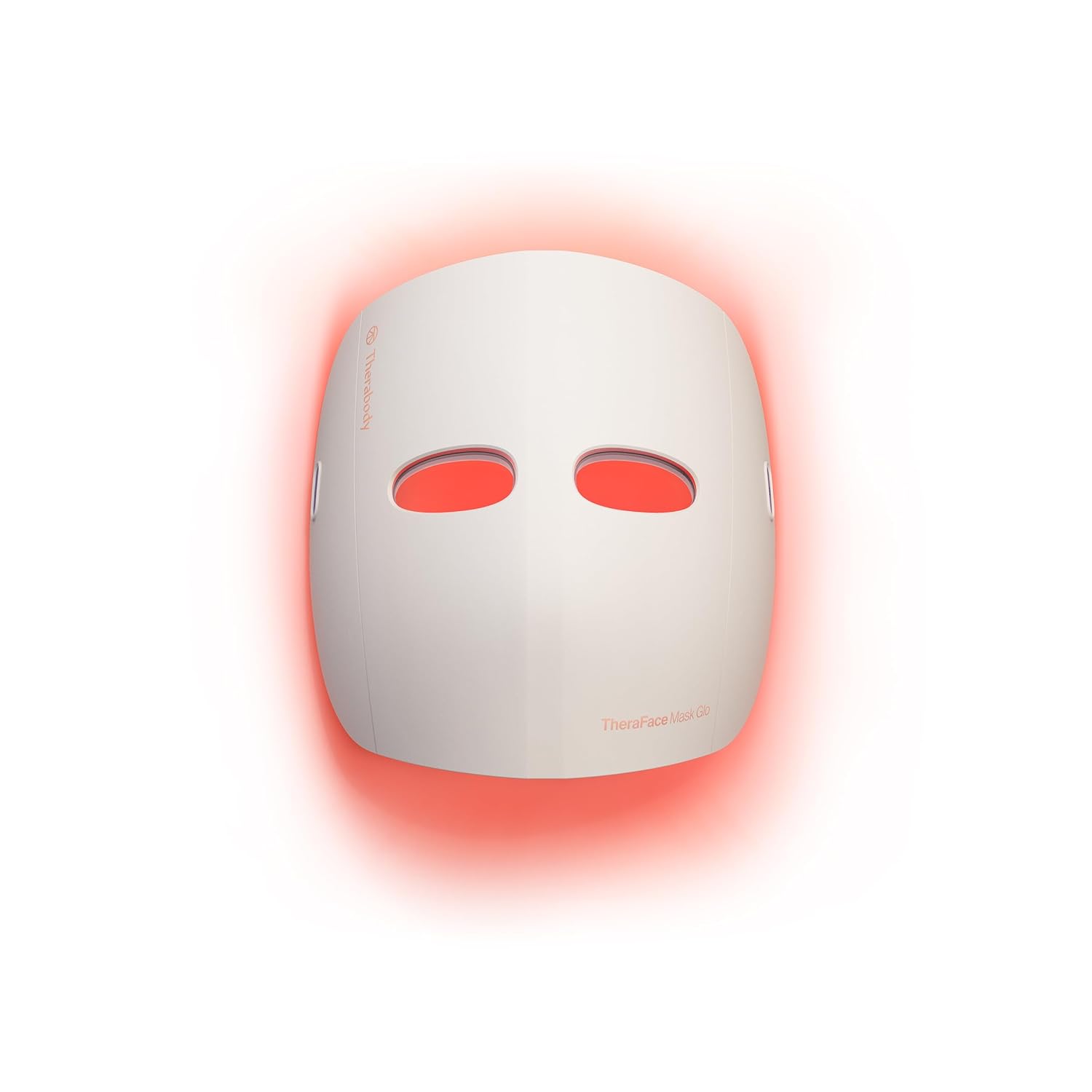 | 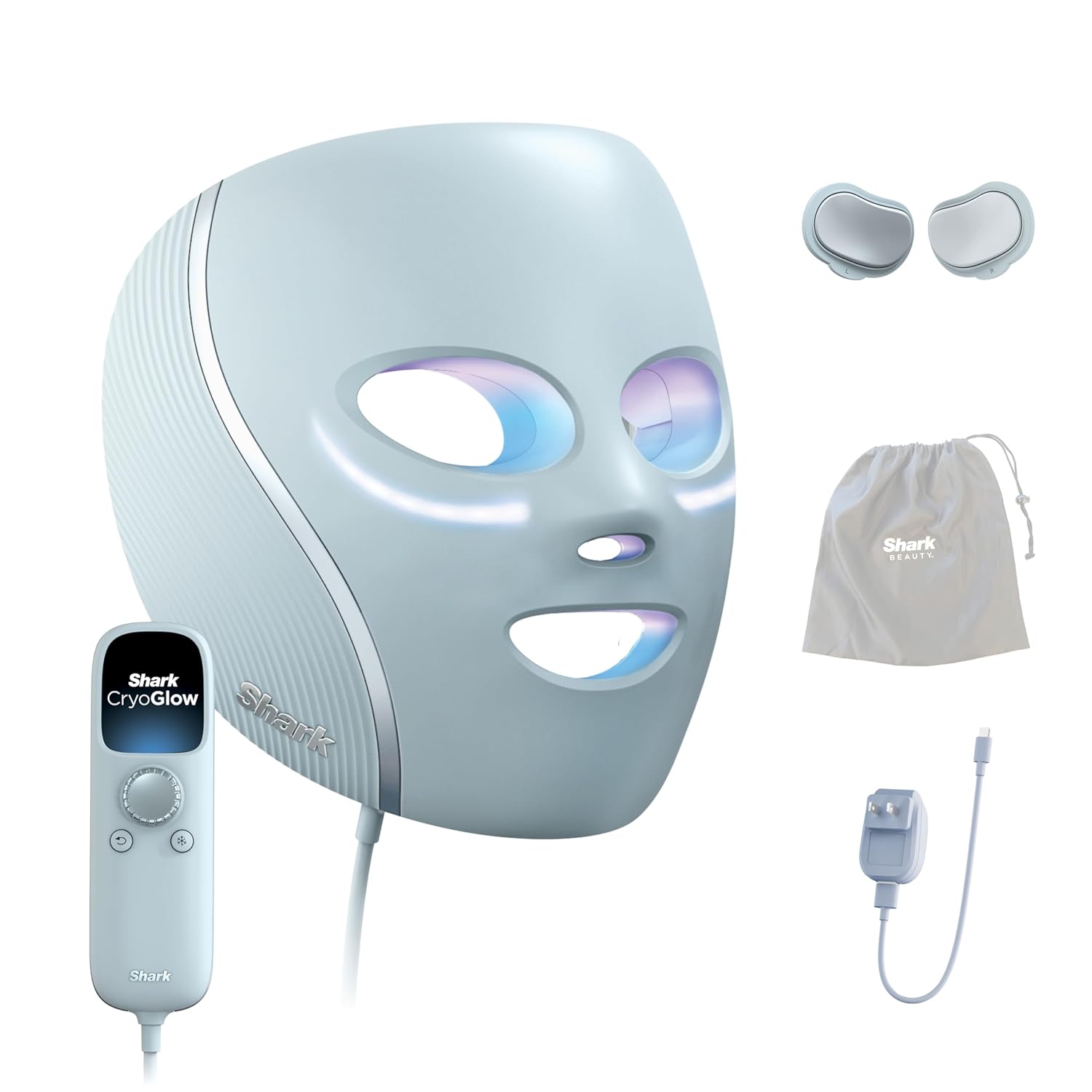 | |
Best for | Overall anti-aging simplicity | Tech-forward multi-wavelength options | Ultra-busy routines | LED + relaxation vibes | Puffy under-eyes + multi-goal |
Red/NIR focus | Red 633nm + NIR | Red 633nm + NIR 830nm (some add 1072nm) | Red mode (plus other modes) | Red 633nm + IR 830nm options (plus blue) | Red ~630nm + IR ~830nm in aging mode (plus other options) |
Typical session time | 10 min | Often presented as 10 min in coverage; varies by model | 3 min | Guided routine commonly ~9 min (version-dependent) | LED modes ~4–8 min; cooling can run longer |
Standout feature | Straightforward “gold standard” pairing | Deep NIR options (some models) | Fastest habit-builder | Gentle vibration + LED | Under-eye cooling |
Who should skip | If you want bells/whistles | If you want the simplest setup | If you want “spa experience” | If you hate vibration/weight | If you hate bulky gadgets/noise |
Price |  | | | | |
What Most Use Cases Miss
Across ranking content, these problems repeat:
- No dose clarity
They say “professional is stronger” without explaining intensity, exposure time, and coverage. - No timeline honesty
They don’t explain why clinics show changes faster, or why home LED still helps some people. - No behavior factor
Consistency and recovery are barely mentioned, yet they drive outcomes. - No skin-type nuance
Sensitive, pigment-prone, or retinoid users face different tradeoffs.
This guide ranks better by separating biology, physics, and real-life use.
The core difference in one sentence
In-office light therapy maximizes dose per session under supervision; LED face masks maximize adherence over time at a gentler intensity.
Wrinkles respond to cumulative signaling. You can get that faster with high-dose sessions, or slower with many low-dose sessions.
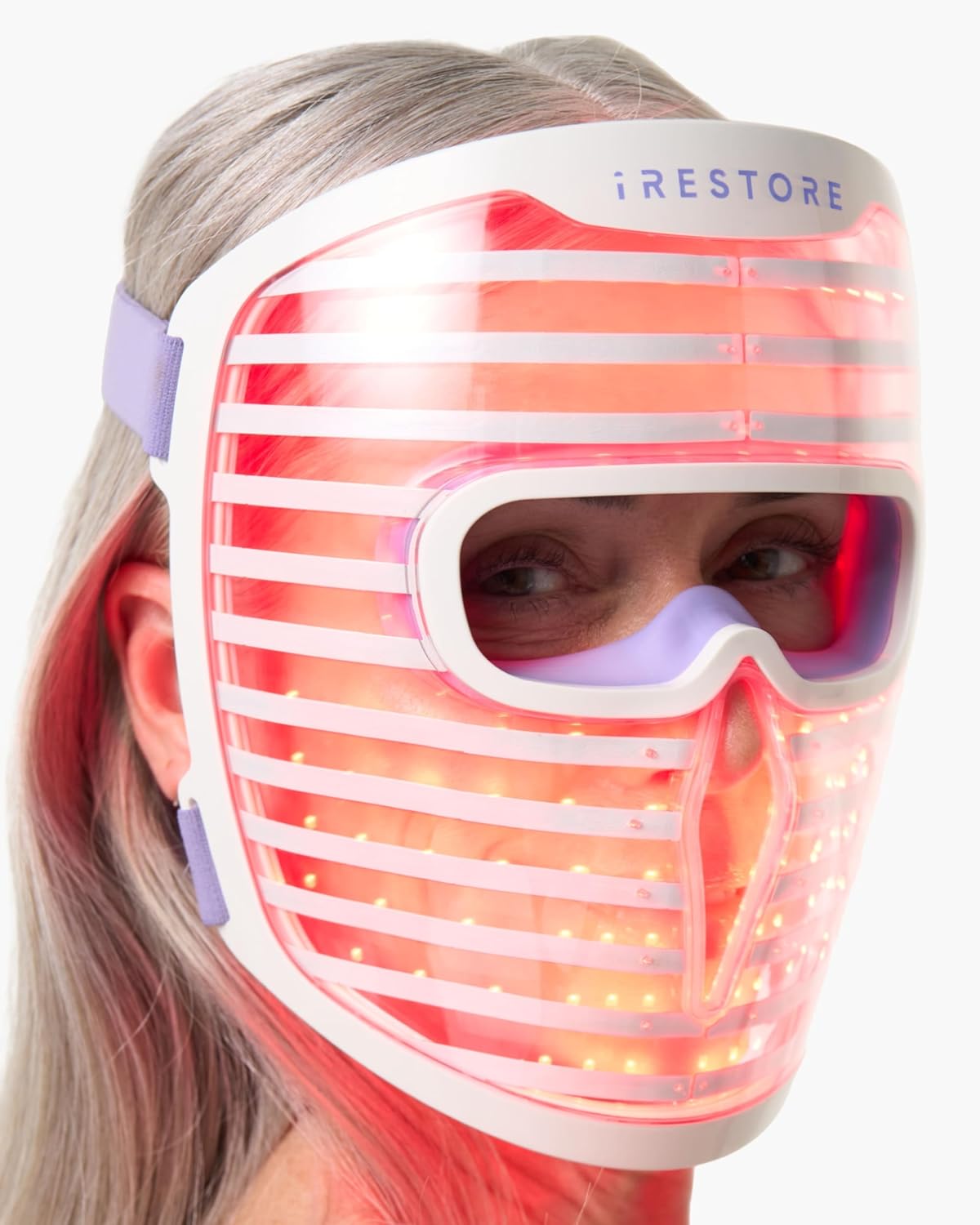
- Best “buy once, use forever” anti-aging pick: Omnilux Contour Face (simple, clinically standard red + near-infrared combo).
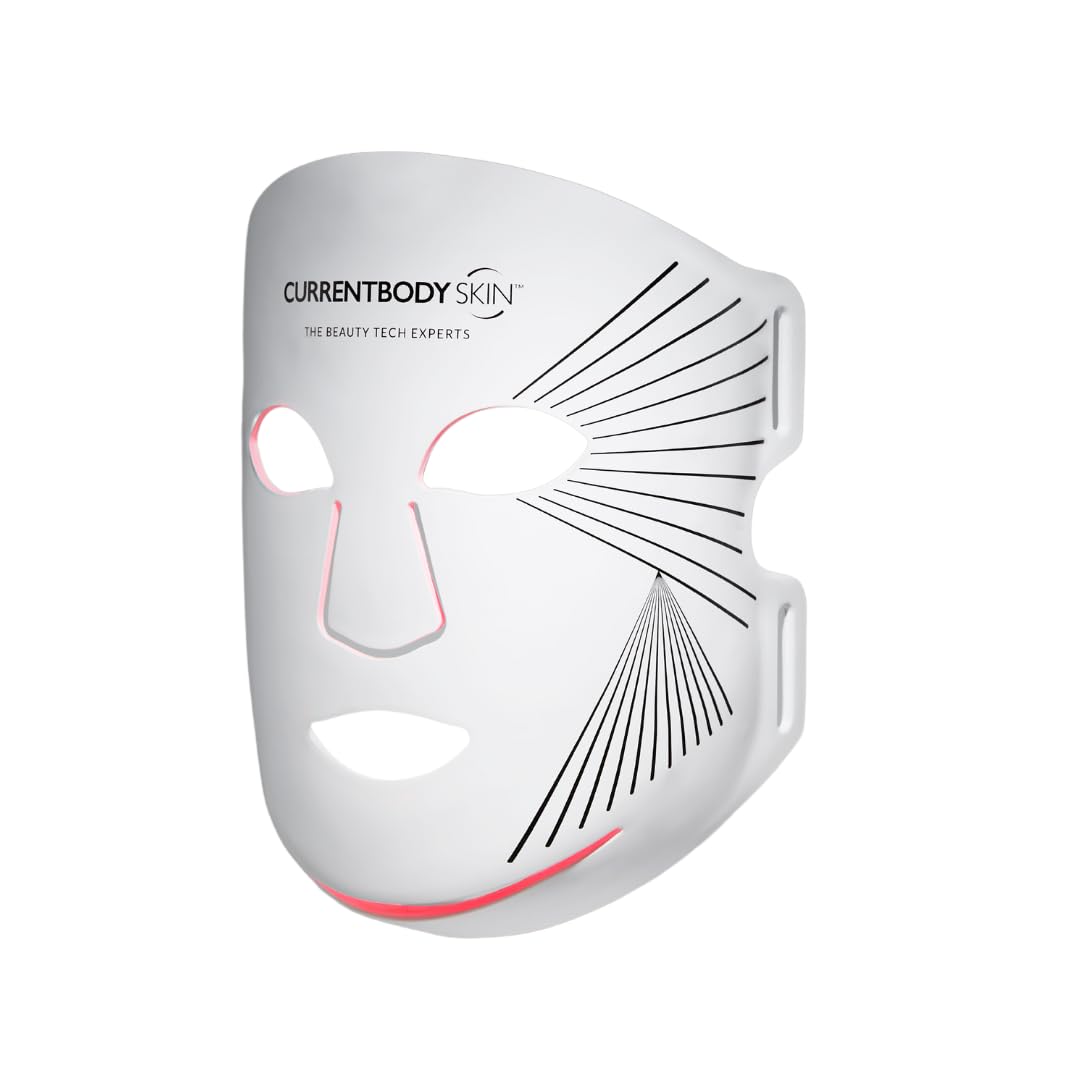
- Best for spec-lovers (more wavelengths, more tech): CurrentBody Skin LED Mask (adds deep near-infrared options depending on model).
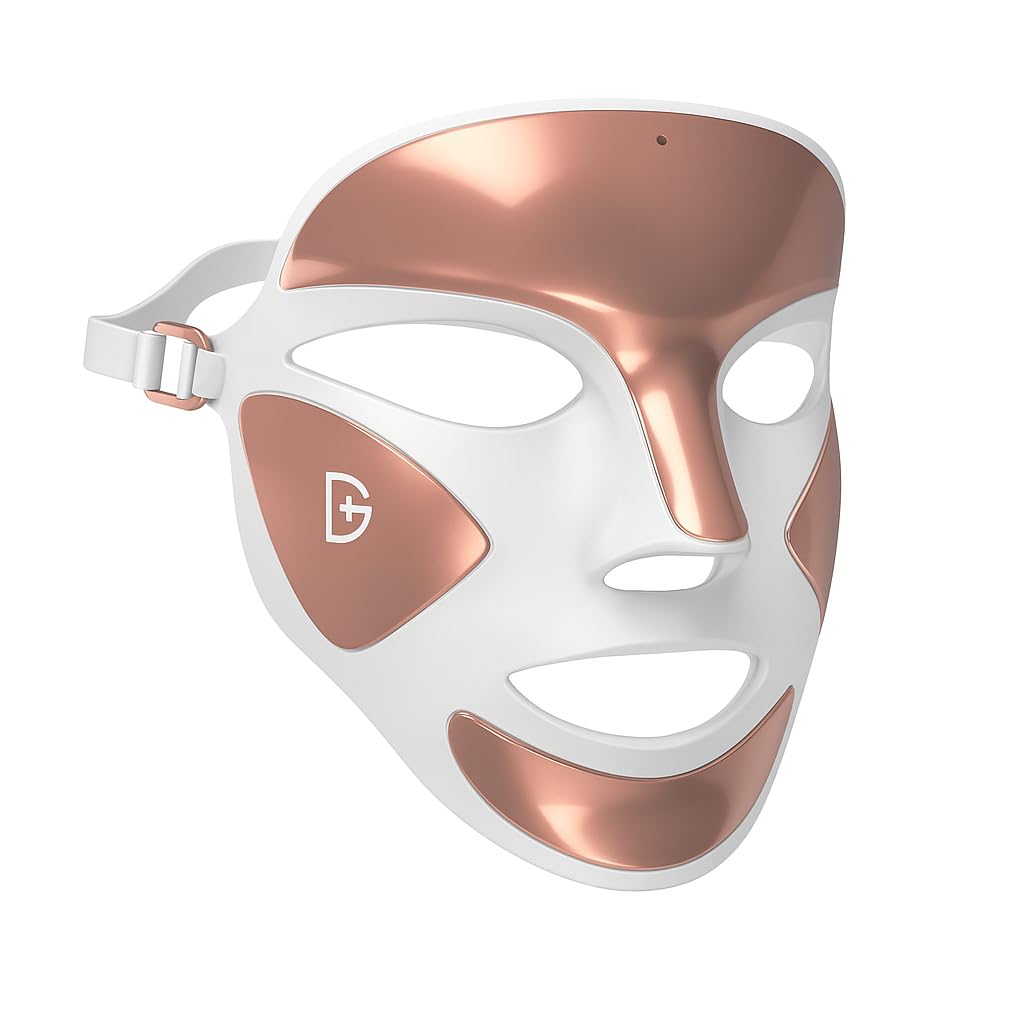
- Best “I only have 3 minutes” mask: Dr. Dennis Gross SpectraLite FaceWare Pro.
- Best if you want LED + relaxation: Therabody TheraFace Mask (LED + gentle vibration).
- Best for tired, puffy under-eyes (instant payoff): Shark CryoGlow (LED + under-eye cooling).
How in-office light therapy works (for wrinkles)
What’s different at a clinic
In-office treatments typically deliver:
- higher light intensity (more energy per session)
- precise protocols (wavelengths, timing, spacing)
- professional oversight (skin prep, contraindications)
- larger treatment fields with uniform exposure
Why that matters for wrinkles
Wrinkle improvement is tied to dermal processes (collagen signaling, inflammation modulation). Higher intensity can:
- trigger a stronger short-term response
- show visible changes sooner
- be useful for advanced photoaging
The tradeoffs
- requires appointments
- higher upfront cost
- results still require a series (not one-and-done)
- not everyone tolerates aggressive dosing equally
Clinics compress progress into fewer sessions, but recovery and scheduling matter.
How LED face masks work at home (for wrinkles)
What’s different at home
LED masks prioritize:
- lower intensity per session
- short, repeatable treatments
- hands-free convenience
- self-directed schedules
Why that can still help wrinkles
Wrinkles respond to consistent, repeated signaling. Home LED can:
- support gradual texture and tone improvements
- complement other anti-aging routines
- fit into long-term maintenance
The tradeoffs
- slower visible changes
- results vary by consistency and skin tolerance
- easy to under-dose (or overuse)
Home LED is a long-game tool. It rewards patience.
Recommended Products
Feature | |||||
|---|---|---|---|---|---|
| | | | | |
Best for | Overall anti-aging simplicity | Tech-forward multi-wavelength options | Ultra-busy routines | LED + relaxation vibes | Puffy under-eyes + multi-goal |
Red/NIR focus | Red 633nm + NIR | Red 633nm + NIR 830nm (some add 1072nm) | Red mode (plus other modes) | Red 633nm + IR 830nm options (plus blue) | Red ~630nm + IR ~830nm in aging mode (plus other options) |
Typical session time | 10 min | Often presented as 10 min in coverage; varies by model | 3 min | Guided routine commonly ~9 min (version-dependent) | LED modes ~4–8 min; cooling can run longer |
Standout feature | Straightforward “gold standard” pairing | Deep NIR options (some models) | Fastest habit-builder | Gentle vibration + LED | Under-eye cooling |
Who should skip | If you want bells/whistles | If you want the simplest setup | If you want “spa experience” | If you hate vibration/weight | If you hate bulky gadgets/noise |
Price | | | | | |
Dose vs consistency: the missing explanation
This is the biggest gap in competitor content.
- Clinics emphasize dose (more energy, fewer sessions).
- Home LED emphasizes consistency (less energy, many sessions).
Wrinkles don’t care where the light comes from, they care about:
- relevant wavelengths
- enough energy over time
- recovery between exposures
You can reach a useful cumulative effect either way. The path differs.
Timelines: what to expect (realistically)
In-office light therapy
- Early changes: weeks
- More visible improvements: after a series
- Best for: faster feedback, deeper photoaging, professional guidance
LED face masks
- Early changes: texture/calmness in weeks
- Wrinkle softening: months with consistent use
- Best for: maintenance, sensitive routines, schedule flexibility
If you expect clinic-speed results at home, you’ll be disappointed. If you expect home LED to replace clinics, you’ll be frustrated. Expectations matter.
Safety and skin tolerance: who should choose which?
In-office may be better if you:
- want faster results
- have advanced wrinkles
- prefer clinician supervision
- can schedule and recover appropriately
Home LED may be better if you:
- have sensitive or reactive skin
- need gentler, adjustable routines
- prioritize consistency over intensity
- want a maintenance-first approach
Neither option is inherently “safer”, appropriate dosing and recovery make the difference.
Can they be used together?
Yes, but with intention.
A common, sensible framework:
- In-office for concentrated treatment phases
- Home LED for maintenance between or after series
What doesn’t work:
- stacking aggressive clinic sessions with daily home LED
- chasing speed without recovery
Wrinkle biology improves during recovery, not constant stimulation.
The cost question (without price lists)
Cost isn’t just money, it’s time, tolerance, and adherence.
- Clinics cost more per session but fewer sessions.
- Home LED costs less per use but requires discipline.
The “better value” is the option you’ll actually complete without irritating your skin.
FAQ: LED Face Masks vs In-Office Light Therapy for Wrinkles
Is in-office light therapy better than LED face masks for wrinkles?
In-office therapy delivers higher intensity and often shows faster results, while LED masks provide slower, cumulative benefits with consistent home use.
Can LED face masks replace in-office treatments?
Not typically. Home LED works best as maintenance or for gradual improvement, not as a full replacement for professional protocols.
Why do clinics get results faster?
Higher intensity and controlled dosing deliver more energy per session, accelerating visible changes.
Are LED face masks worth it if you’ve done in-office therapy?
They can be useful for maintaining results between professional treatments.
Which is safer for sensitive skin?
Both can be safe when used appropriately. Sensitive skin often tolerates gentler, adjustable home routines better.
Bottom line
LED face masks vs in-office light therapy isn’t a competition, it’s a tradeoff.
- Clinics: faster, stronger, supervised
- Home LED: slower, gentler, consistent
Wrinkles respond to relevant light + enough exposure + recovery. Choose the path that matches your skin, schedule, and expectations, and you’ll get more out of either option.
Other Interesting Articles
- Best Red Light Therapy Mask (2026): Top 5 Worth the Money
- Shark CryoGlow vs Solawave Mask: Which LED Mask Is the Smarter Buy?
- Shark CryoGlow vs TheraFace Mask: Which LED Face Mask Is Actually Worth It?
- Shark CryoGlow vs Omnilux: Which Red Light Mask is Best?
About LuxuryShimmer
LuxuryShimmer breaks down beauty tech the way you’d explain it to a friend: what matters, what doesn’t, and what you’ll realistically keep using. What is the difference between LED face masks vs in-office light therapy for wrinkles? We answer questions like this all the time.