I'm a participant in the Amazon Services LLC Associates Program, an affiliate advertising program designed to provide a means for me to earn fees by linking to Amazon.com and affiliated sites.
If you’ve been using an LED face mask and thinking, “Wait… is this doing literally anything?” — you’re not alone. How to tell if an LED face mask is actually doing anything may seem hard, but our guide will make it easy.
LED results are quiet. They don’t usually show up as a dramatic “before/after” in your bathroom mirror. They show up as small shifts in skin behavior over weeks: calmer redness, smoother texture, fewer “bad skin days,” and fine lines that look a little less etched.
Here’s the honest verdict first:
An LED face mask is “working” when your skin quality improves in measurable, repeatable ways over 4–8+ weeks — not when you feel an instant change after one session. Consistency matters, and at-home devices are typically less powerful than in-office treatments.
This guide is information-only and built to give you what competitor articles often skip: a simple test protocol, objective signs, timelines by concern, and troubleshooting when nothing seems to change.
Recommended Products
Feature | |||||
|---|---|---|---|---|---|
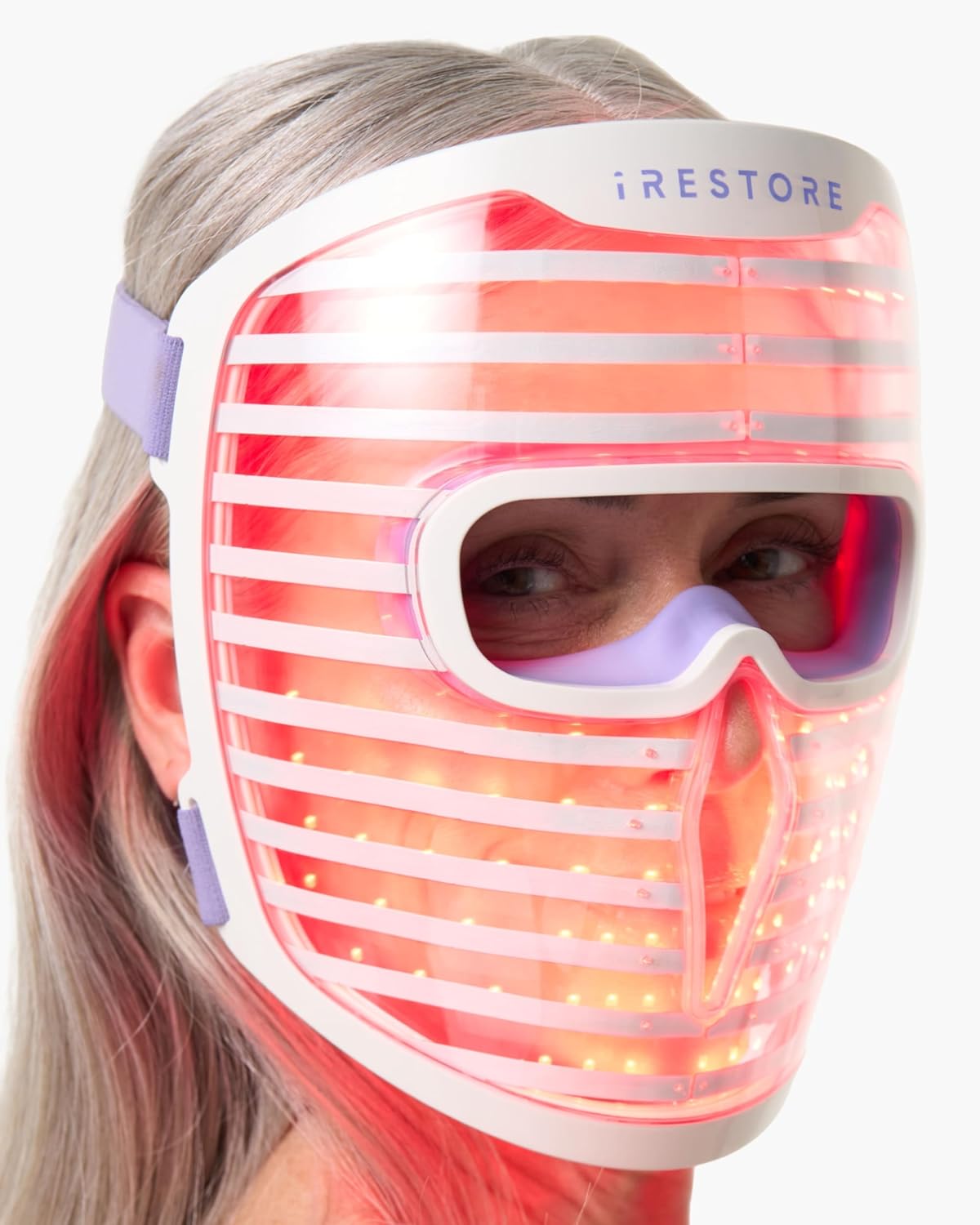 | 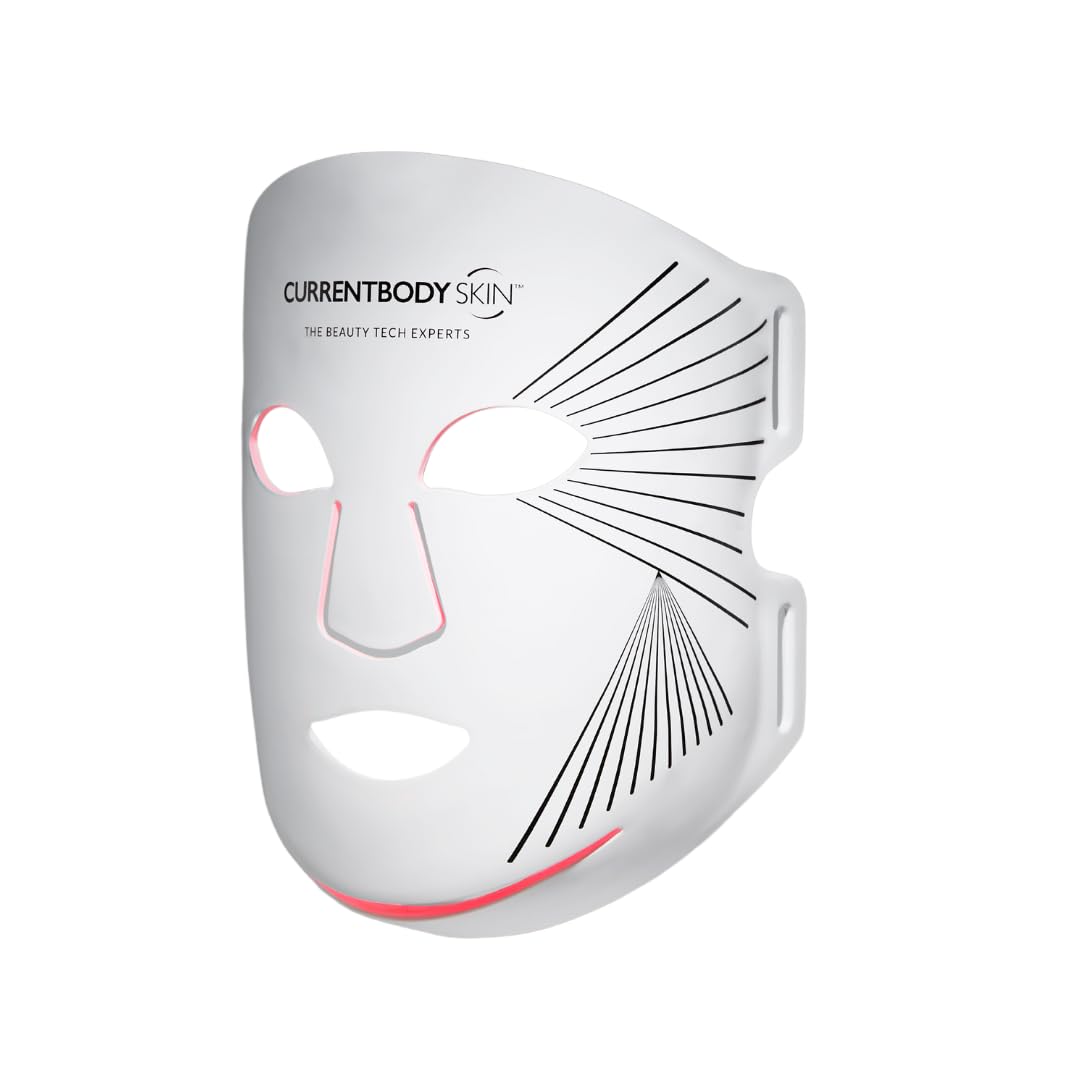 | 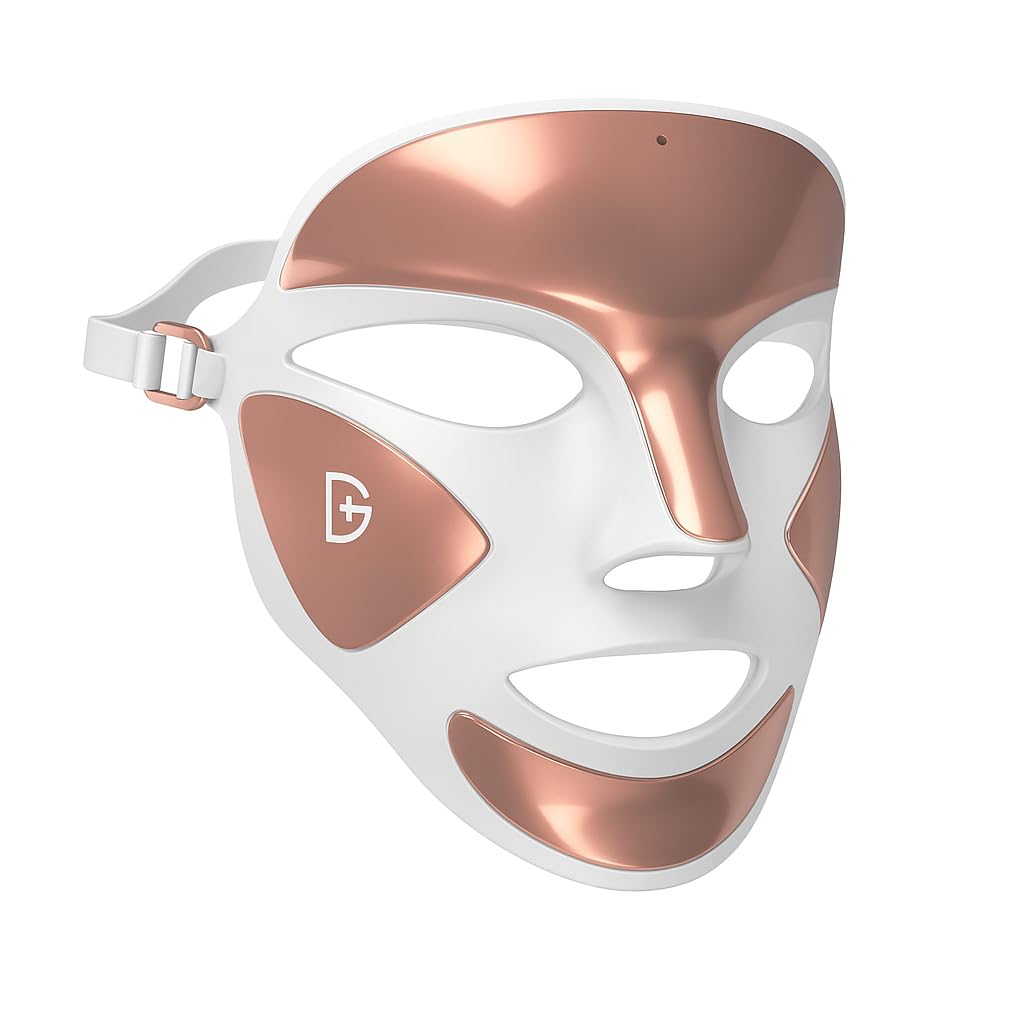 |  |  | |
Best for | Overall anti-aging simplicity | Tech-forward multi-wavelength options | Ultra-busy routines | LED + relaxation vibes | Puffy under-eyes + multi-goal |
Red/NIR focus | Red 633nm + NIR | Red 633nm + NIR 830nm (some add 1072nm) | Red mode (plus other modes) | Red 633nm + IR 830nm options (plus blue) | Red ~630nm + IR ~830nm in aging mode (plus other options) |
Typical session time | 10 min | Often presented as 10 min in coverage; varies by model | 3 min | Guided routine commonly ~9 min (version-dependent) | LED modes ~4–8 min; cooling can run longer |
Standout feature | Straightforward “gold standard” pairing | Deep NIR options (some models) | Fastest habit-builder | Gentle vibration + LED | Under-eye cooling |
Who should skip | If you want bells/whistles | If you want the simplest setup | If you want “spa experience” | If you hate vibration/weight | If you hate bulky gadgets/noise |
Price |  | | | | |
How LuxuryShimmer’s Experts Outshine the Competition
Common holes in ranking pages:
- No objective tracking method (so you’re stuck in mirror-guessing).
- No differentiation by concern (acne vs wrinkles vs redness have different timelines).
- No dose/consistency reality check (at-home LED varies; results aren’t guaranteed).
- No clear “stop/adjust” decision rules (people either quit too early or overuse and irritate skin).
Let’s fix that.
Step 1: Use the “Photo + Pattern” method (the fastest way to know)
The mirror lies. Lighting changes, hydration changes, mood changes.
Instead, do this:
The 3-photo baseline (5 minutes total)
- Take 3 photos today in the same spot:
- front facing
- left side
- right side
- Use the same:
- lighting (natural daylight if possible)
- camera distance
- facial expression
- Repeat at:
- Week 2
- Week 4
- Week 8
Why this works: LED improvements are often subtle and cumulative; photos reveal changes your brain filters out day-to-day. Consistent use is usually required to see results.
Step 2: Know what “working” looks like (by skin goal)
If your goal is wrinkles / anti-aging
What you should look for:
- texture looks smoother (especially under makeup)
- fine lines look less sharp in consistent lighting
- skin looks a bit more “rested” rather than “lifted”
What you should not expect:
- deep wrinkles disappearing
- dramatic tightening in days
Clinical research on LED photobiomodulation masks has shown improvements in signs of aging over about a month in controlled settings, but real-life outcomes depend heavily on consistency and device parameters.
Typical timeline (realistic)
- Weeks 2–4: texture/glow shifts
- Weeks 4–8+: fine lines soften (subtle)
- 8–12+: more noticeable “skin quality” improvement
- Best “buy once, use forever” anti-aging pick: Omnilux Contour Face (simple, clinically standard red + near-infrared combo).
- Best for spec-lovers (more wavelengths, more tech): CurrentBody Skin LED Mask (adds deep near-infrared options depending on model).
- Best “I only have 3 minutes” mask: Dr. Dennis Gross SpectraLite FaceWare Pro.
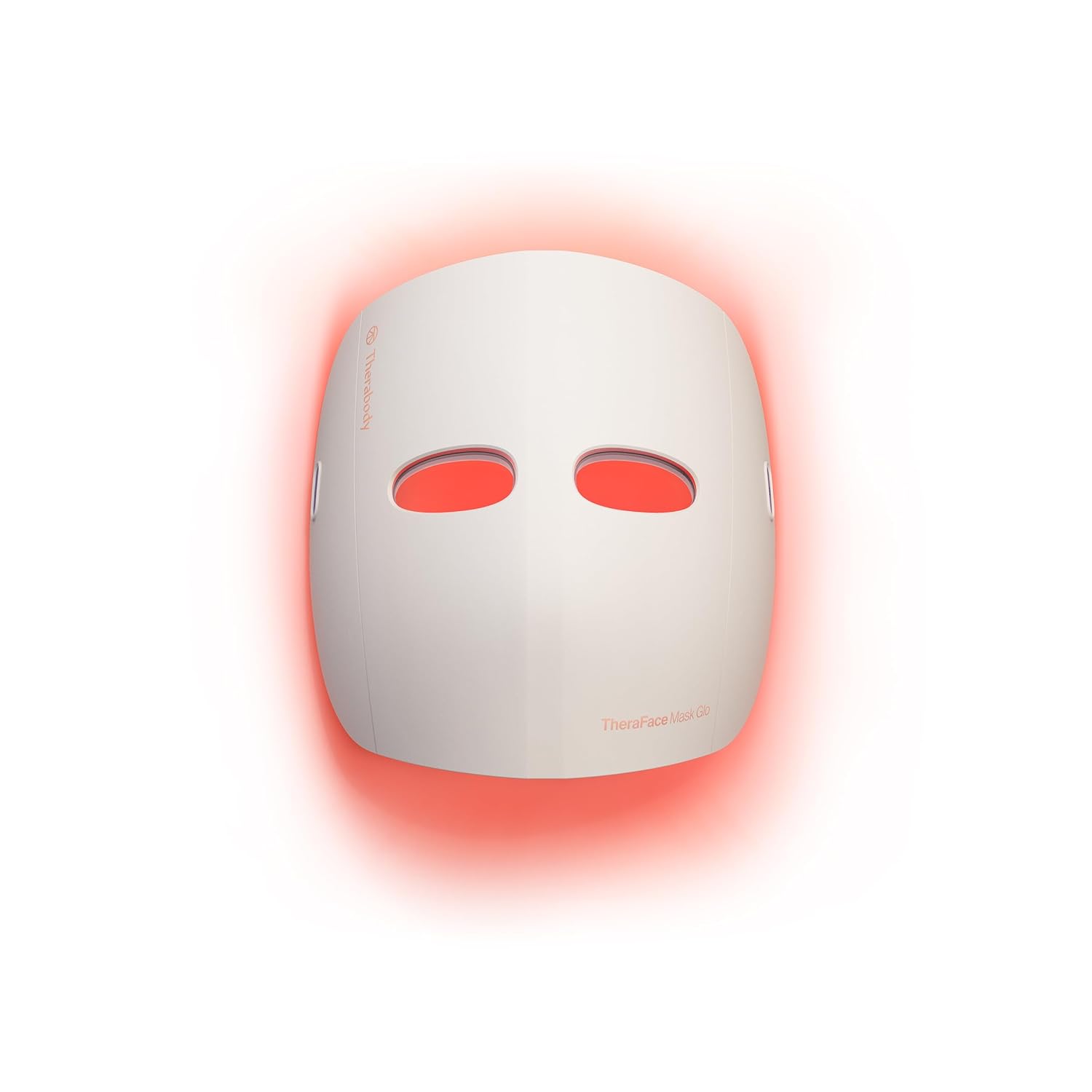
- Best if you want LED + relaxation: Therabody TheraFace Mask (LED + gentle vibration).
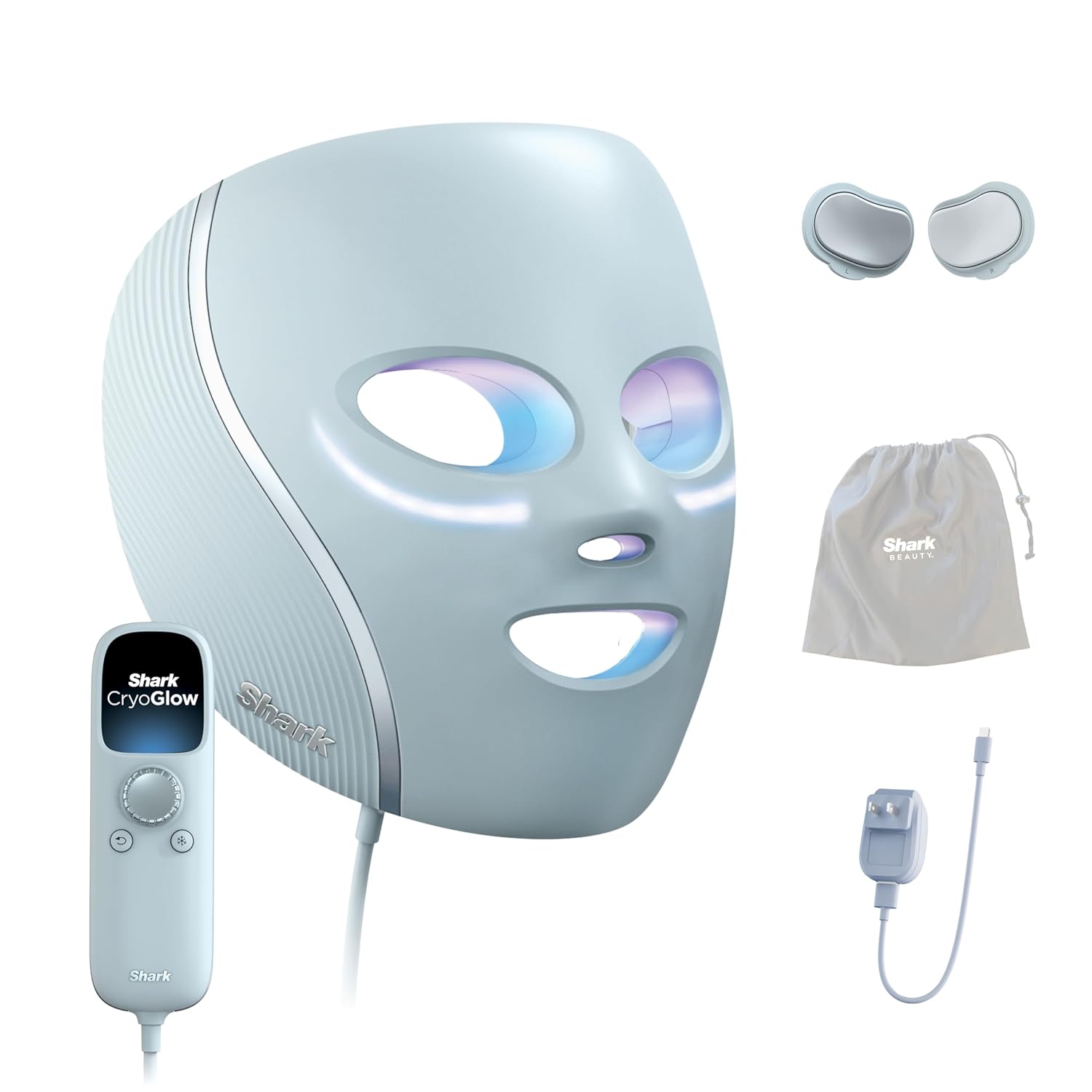
- Best for tired, puffy under-eyes (instant payoff): Shark CryoGlow (LED + under-eye cooling).
If your goal is acne (breakouts)
What “working” looks like:
- fewer inflamed pimples
- faster healing time
- less angry redness around active spots
Important nuance: The AAD notes visible light (blue/red) can treat pimples, but isn’t effective for blackheads/whiteheads or deeper cysts/nodules, and at-home devices are less powerful than in-office.
So if your “acne” is mostly clogged pores, LED may not impress you — and that’s not you failing. That’s mismatch.
Recommended Products
Feature | |||||
|---|---|---|---|---|---|
| | | | | |
Best for | Overall anti-aging simplicity | Tech-forward multi-wavelength options | Ultra-busy routines | LED + relaxation vibes | Puffy under-eyes + multi-goal |
Red/NIR focus | Red 633nm + NIR | Red 633nm + NIR 830nm (some add 1072nm) | Red mode (plus other modes) | Red 633nm + IR 830nm options (plus blue) | Red ~630nm + IR ~830nm in aging mode (plus other options) |
Typical session time | 10 min | Often presented as 10 min in coverage; varies by model | 3 min | Guided routine commonly ~9 min (version-dependent) | LED modes ~4–8 min; cooling can run longer |
Standout feature | Straightforward “gold standard” pairing | Deep NIR options (some models) | Fastest habit-builder | Gentle vibration + LED | Under-eye cooling |
Who should skip | If you want bells/whistles | If you want the simplest setup | If you want “spa experience” | If you hate vibration/weight | If you hate bulky gadgets/noise |
Price | | | | | |
If your goal is redness / sensitivity
What “working” looks like:
- fewer random flare-ups
- less reactive skin after cleansing
- redness looks calmer in your Week 4 photos
This tends to be one of the earliest categories to show improvement because it’s tied to inflammation regulation more than structural remodeling.
Step 3: Track the 5 signs that matter most
If you only track one thing, track these.
1) Fewer “bad skin days”
If your skin has fewer unpredictable flare-ups, that’s meaningful progress.
2) Faster bounce-back
Does redness from cleansing, weather, or stress fade faster than before?
3) Texture improvement (not “perfection”)
Look for smoother overall texture, not erased pores.
4) Makeup sits better
This is a sneaky-but-real indicator that surface texture is improving.
5) You need less “fixing” (less concealer, less panic)
If your routine feels less like damage control, something is shifting.
Step 4: Make sure you’re not unintentionally sabotaging results
Before you decide “it does nothing,” check these common blockers:
You’re not using it consistently enough
Most guidance emphasizes consistency, and many common protocols fall in the multiple-times-per-week range.
You’re overusing it and irritating your skin
Overuse or improper dosing can cause irritation, and reputable sources advise following directions and protecting eyes.
If your skin is red/tight the next day, you may be creating stress that hides benefits.
Your main issue isn’t what LED treats well
Example: expecting LED to clear blackheads. The AAD says visible light isn’t effective for blackheads/whiteheads.
Your expectations are “instant”
LED is usually a slow build. If you’re judging daily, you’ll miss it.
The “Is it working?” checklist (copy/paste)
Use this at Week 4 and Week 8:
- My Week 4 photos show calmer tone or smoother texture
- Fewer inflamed pimples (if acne-focused)
- Fine lines look slightly less sharp in consistent lighting
- Skin feels less reactive overall
- No ongoing irritation/tightness after sessions
- I used it consistently enough to judge fairly
If you can check 3+, it’s doing something.
What if you see… nothing?
Here’s the LuxuryShimmer way to decide without spiraling.
If nothing has changed by Week 4
Don’t quit yet. At Week 4, many people are just starting to see texture shifts.
Instead:
- confirm consistency
- confirm you’re not irritating your skin
- keep going to Week 8 with stable variables
If nothing has changed by Week 8 (and you were consistent)
Then one of these is likely true:
- your concern isn’t LED-responsive
- your dose/usage pattern isn’t effective
- your skin needs a different strategy (or in-office intensity)
Cleveland Clinic notes that at-home devices may be less powerful than professional devices and you may not get the results you hope for.
That’s not a moral failing. It’s just the reality of home tools.
Safety note (because it affects “results” too)
If you’re getting:
- ongoing redness
- stinging
- headaches/eye discomfort
- new sensitivity
Pause and reset. Harvard Health advises avoiding use with light-sensitive conditions or photosensitizing medications and using eye protection if recommended.
Skin stress can make you look worse, masking any benefits.
FAQ: How to Tell If an LED Face Mask Is Actually Doing Anything
How long does it take to see results from an LED face mask?
Many people notice early texture or “glow” changes within weeks, while anti-aging shifts tend to take longer and require consistent use.
What are signs LED light therapy is working on your face?
Smoother texture, calmer redness, faster recovery after irritation, fewer inflamed breakouts (if that’s your goal), and fine lines looking less sharp in consistent photos.
Why does my LED mask feel like it’s doing nothing?
Most commonly: inconsistent use, expecting instant changes, using it for concerns LED doesn’t treat well (like blackheads), or overuse causing irritation that hides improvement.
Should I take before and after photos for LED masks?
Yes — it’s the most reliable way to track subtle, cumulative changes that are hard to notice day-to-day.
When should I stop using an LED face mask?
If you have persistent irritation, worsening sensitivity, or you’re using it with a light-sensitive condition/medication, pause and reassess.
Bottom line
If you want to know whether an LED face mask is actually doing anything, stop relying on vibes.
Use:
- baseline photos
- Week 4 + Week 8 comparisons
- skin-behavior markers (less redness, smoother texture, fewer flare-ups)
And remember: at-home LED can help, but it’s not guaranteed for everyone, and it’s typically less powerful than professional options.
Other Interesting Articles
- Best Red Light Therapy Mask (2026): Top 5 Worth the Money
- Shark CryoGlow vs Solawave Mask: Which LED Mask Is the Smarter Buy?
- Shark CryoGlow vs TheraFace Mask: Which LED Face Mask Is Actually Worth It?
- Shark CryoGlow vs Omnilux: Which Red Light Mask is Best?
About LuxuryShimmer
LuxuryShimmer breaks down beauty tech the way you’d explain it to a friend: what matters, what doesn’t, and what you’ll realistically keep using.