I'm a participant in the Amazon Services LLC Associates Program, an affiliate advertising program designed to provide a means for me to earn fees by linking to Amazon.com and affiliated sites.
Who should avoid LED face masks? Most articles say LED face masks are “generally safe”, and then stop there.
If you’re searching who should avoid LED face masks, you’re not looking for reassurance. You’re looking for exceptions. And there are real ones.
Here’s the clear answer upfront:
LED face masks are low-risk for many people, but they are not appropriate for everyone. Certain medical conditions, medications, eye issues, and pigment-related risks mean some people should avoid them entirely—or only use them under medical guidance.
This is an information-only guide made to name the contraindications most competitors gloss over, minimizing fear while maximizing clarity.
Recommended Products
Feature | |||||
|---|---|---|---|---|---|
 |  |  |  |  | |
Best for | Overall anti-aging simplicity | Tech-forward multi-wavelength options | Ultra-busy routines | LED + relaxation vibes | Puffy under-eyes + multi-goal |
Red/NIR focus | Red 633nm + NIR | Red 633nm + NIR 830nm (some add 1072nm) | Red mode (plus other modes) | Red 633nm + IR 830nm options (plus blue) | Red ~630nm + IR ~830nm in aging mode (plus other options) |
Typical session time | 10 min | Often presented as 10 min in coverage; varies by model | 3 min | Guided routine commonly ~9 min (version-dependent) | LED modes ~4–8 min; cooling can run longer |
Standout feature | Straightforward “gold standard” pairing | Deep NIR options (some models) | Fastest habit-builder | Gentle vibration + LED | Under-eye cooling |
Who should skip | If you want bells/whistles | If you want the simplest setup | If you want “spa experience” | If you hate vibration/weight | If you hate bulky gadgets/noise |
Price |  | | | | |
What Most Articles Fail to Cover
Across top results, these gaps are consistent:
- They don’t separate “avoid completely” from “use cautiously.”
- They ignore medications that increase photosensitivity.
- They downplay eye-related risks.
- They avoid discussing melasma and pigment biology honestly.
- They don’t explain why LED can backfire for certain immune conditions.
Let’s fix that.
People who should avoid LED face masks entirely
1) People with photosensitive medical conditions
If you have a condition where light exposure triggers symptoms, LED masks may not be appropriate.
This includes (but isn’t limited to):
- lupus (especially cutaneous lupus)
- porphyria
- polymorphic light eruption
- other diagnosed photosensitivity disorders
Why this matters:
LED emits visible and near-infrared light. Even without UV, these wavelengths can still provoke reactions in photosensitive conditions.
If light triggers rashes, fatigue, pain, or flares, avoid LED unless cleared by a physician.
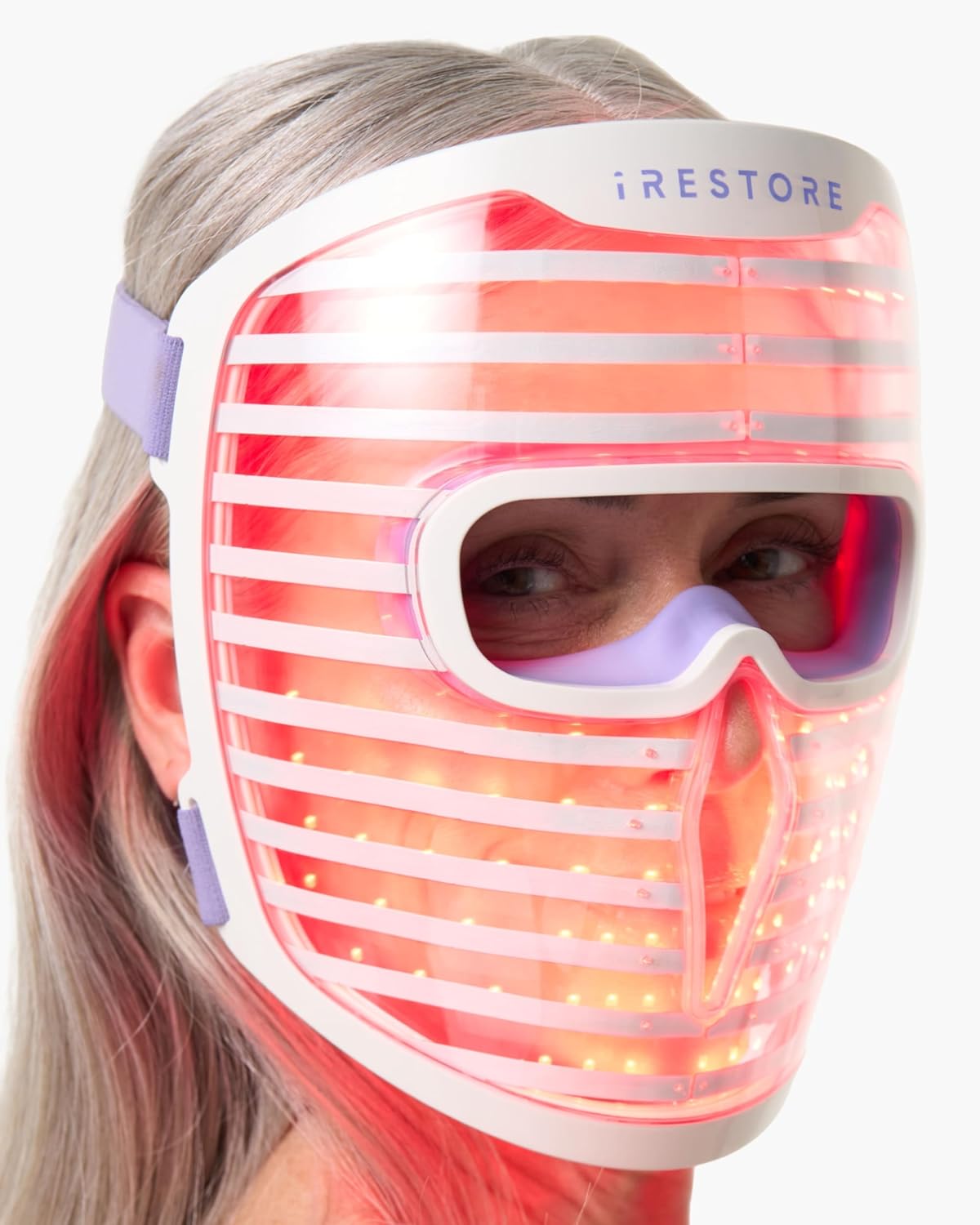
- Best “buy once, use forever” anti-aging pick: Omnilux Contour Face (simple, clinically standard red + near-infrared combo).
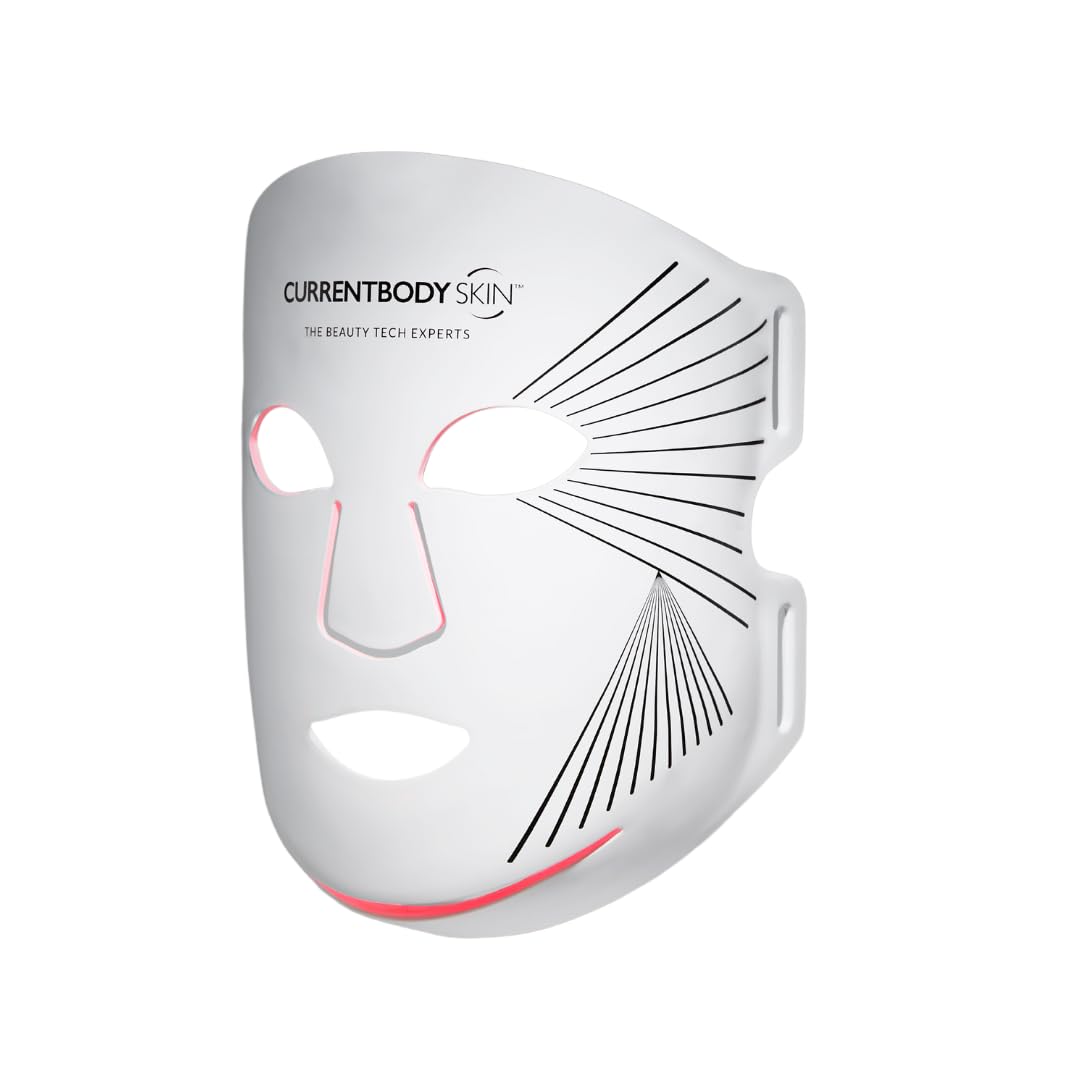
- Best for spec-lovers (more wavelengths, more tech): CurrentBody Skin LED Mask (adds deep near-infrared options depending on model).
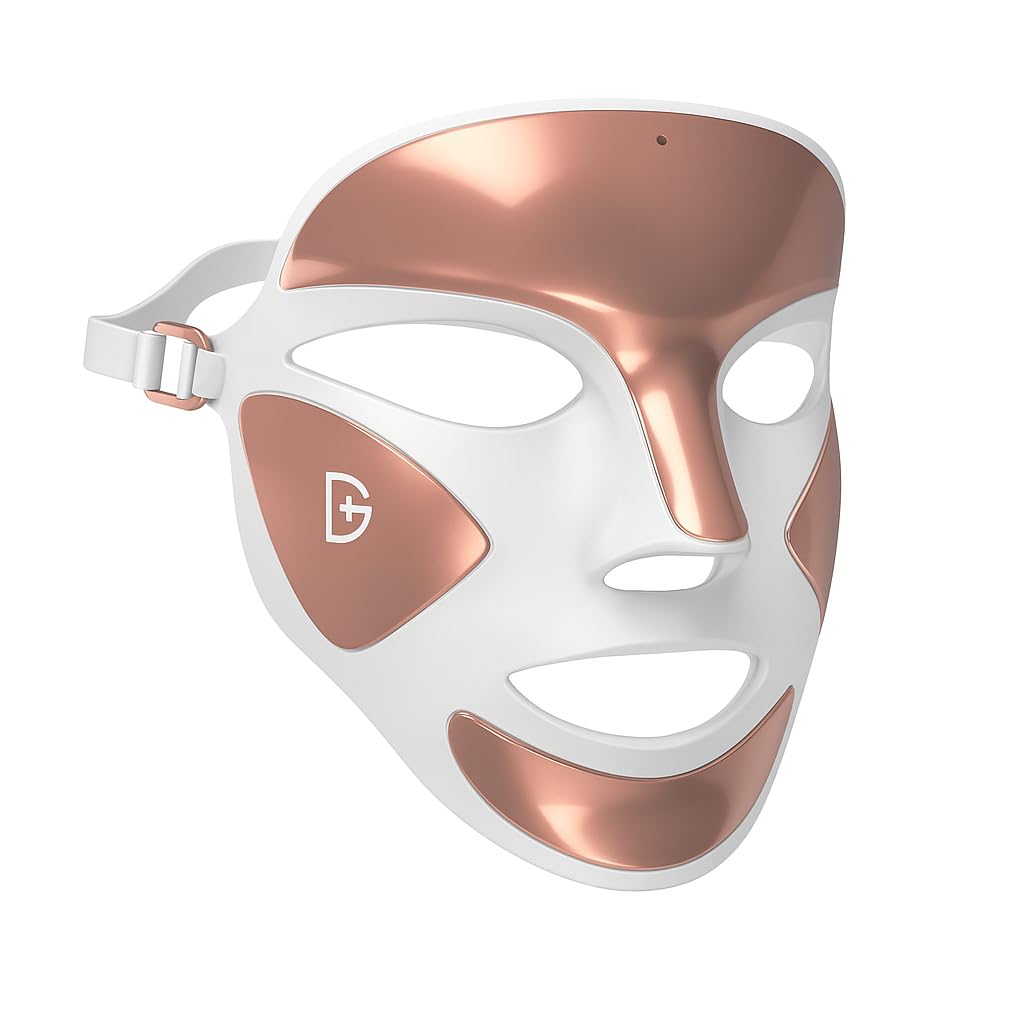
- Best “I only have 3 minutes” mask: Dr. Dennis Gross SpectraLite FaceWare Pro.
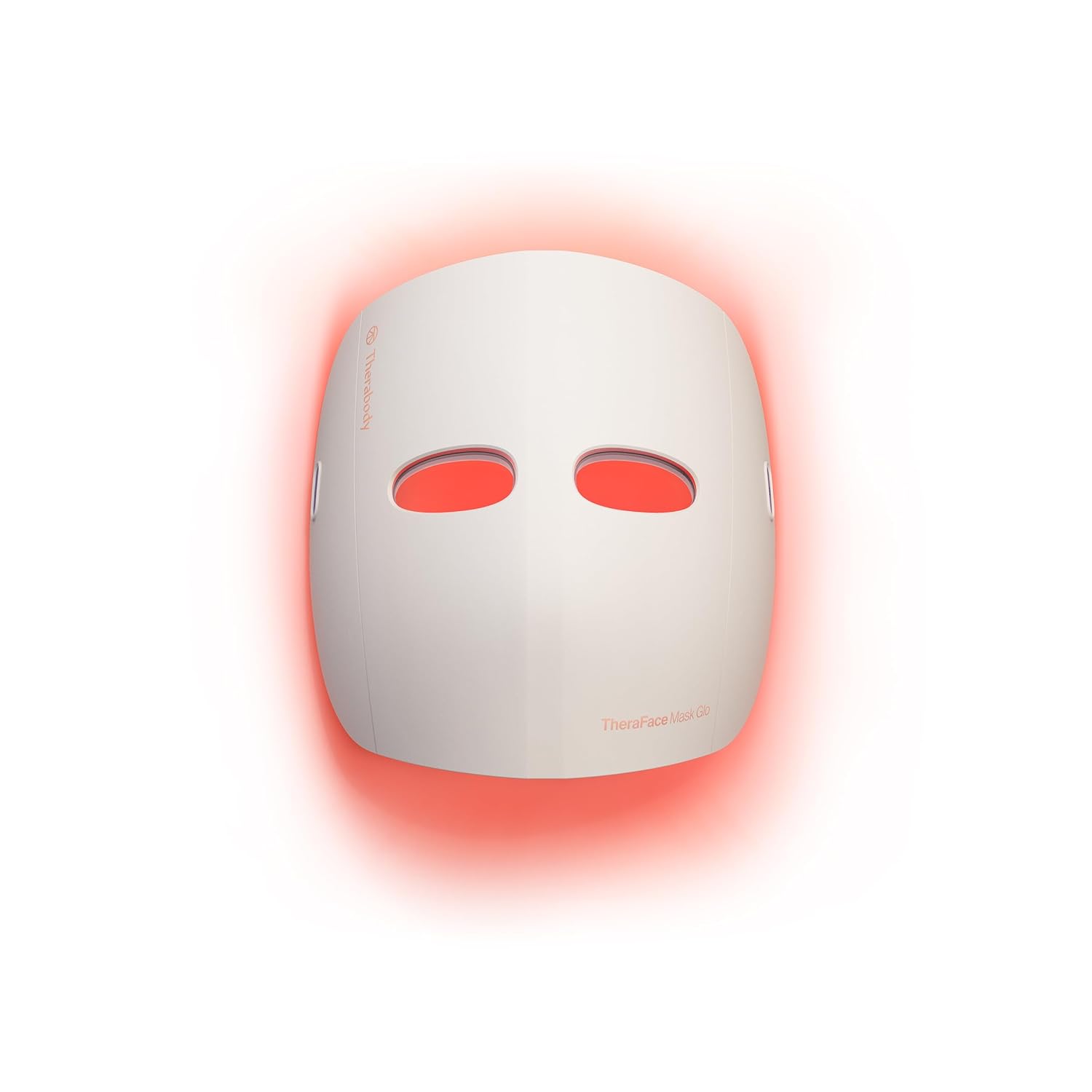
- Best if you want LED + relaxation: Therabody TheraFace Mask (LED + gentle vibration).
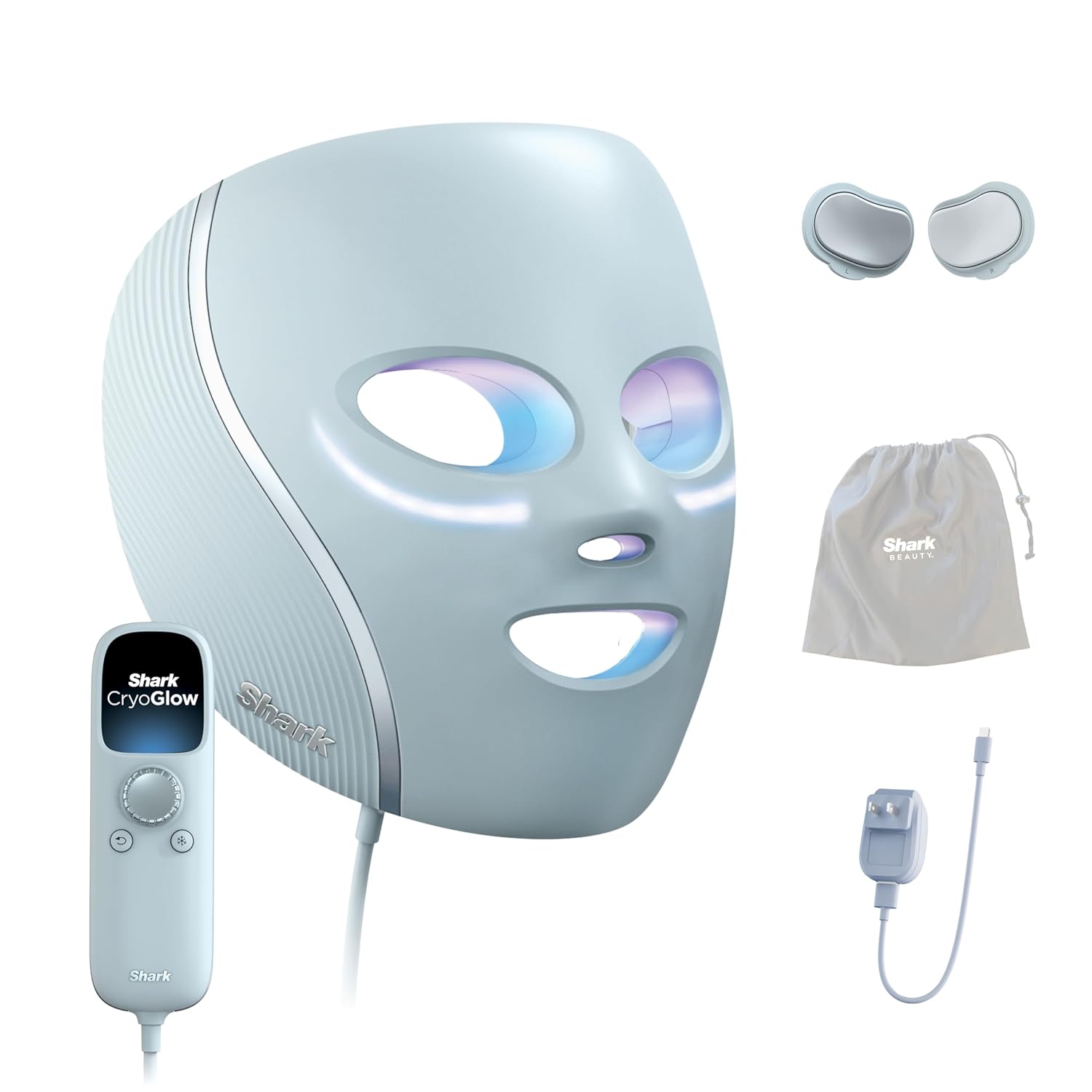
- Best for tired, puffy under-eyes (instant payoff): Shark CryoGlow (LED + under-eye cooling).
2) People taking photosensitizing medications
This is one of the most skipped contraindications online.
Medications that can increase light sensitivity include:
- certain antibiotics (e.g., tetracyclines)
- some acne medications
- some antidepressants and antipsychotics
- specific diuretics
- some chemotherapy or immunomodulating drugs
Why this matters:
Photosensitizing meds lower your skin’s tolerance to light exposure, increasing the risk of irritation, burns, pigment changes, or delayed reactions.
If a medication warns about sun or light sensitivity, LED masks fall into that category.
3) People with active skin cancer or suspicious lesions
If you have:
- current skin cancer
- undiagnosed changing moles
- lesions under evaluation
Avoid LED use directly over affected areas.
LED is not cancer-causing, but stimulating cellular activity over malignant or unknown lesions is not appropriate without medical supervision.
Recommended Products
Feature | |||||
|---|---|---|---|---|---|
| | | | | |
Best for | Overall anti-aging simplicity | Tech-forward multi-wavelength options | Ultra-busy routines | LED + relaxation vibes | Puffy under-eyes + multi-goal |
Red/NIR focus | Red 633nm + NIR | Red 633nm + NIR 830nm (some add 1072nm) | Red mode (plus other modes) | Red 633nm + IR 830nm options (plus blue) | Red ~630nm + IR ~830nm in aging mode (plus other options) |
Typical session time | 10 min | Often presented as 10 min in coverage; varies by model | 3 min | Guided routine commonly ~9 min (version-dependent) | LED modes ~4–8 min; cooling can run longer |
Standout feature | Straightforward “gold standard” pairing | Deep NIR options (some models) | Fastest habit-builder | Gentle vibration + LED | Under-eye cooling |
Who should skip | If you want bells/whistles | If you want the simplest setup | If you want “spa experience” | If you hate vibration/weight | If you hate bulky gadgets/noise |
Price | | | | | |
People who should use extreme caution (or medical guidance)
4) People with melasma or pigment-triggered hyperpigmentation
This is a big one, and most guides underplay it.
Melasma is influenced by:
- heat
- inflammation
- visible light (not just UV)
Why LED can be an issue:
Even red light generates heat. In pigment-prone skin, repeated heat and visible light exposure can worsen discoloration in some individuals.
This doesn’t mean everyone with melasma will flare, but it does mean:
- LED is not a casual add-on
- blue light is often a poor choice
- heat management and conservative use are critical
If pigment is your biggest fear, proceed cautiously or skip LED entirely.
5) People with eye disease or retinal conditions
LED masks sit close to the eyes. While they don’t emit UV, prolonged light exposure near compromised eyes matters.
Use caution or avoid if you have:
- retinal disease
- macular degeneration
- history of eye surgery with sensitivity
- light-triggered migraines
Eye protection is not optional in these cases.
6) People with seizure disorders triggered by light
This is rare, but real.
If you have a history of:
- photosensitive epilepsy
- light-triggered seizures
Avoid LED masks unless cleared by a neurologist.
Even steady (non-flashing) light can be problematic for certain individuals.
7) People with severely compromised skin barriers
If your skin is currently:
- severely inflamed
- actively peeling or raw
- recovering from aggressive procedures
- infected or ulcerated
LED can add stress instead of support.
LED works best on stable skin. Using it on damaged skin can worsen irritation or delay healing.
Situations where LED should be paused (not necessarily avoided forever)
You may want to pause LED use if:
- you’re experiencing an active rosacea flare
- you recently had laser, chemical peel, or microneedling
- your skin is persistently red, tight, or burning
- you’re pregnant and have pigment instability concerns
These aren’t permanent contraindications, but timing matters.
Why “generally safe” isn’t the same as “safe for everyone”
LED therapy is non-invasive and low-energy — which is why it’s widely used.
But risk is personal, not universal.
Skin biology varies by:
- immune response
- pigmentation pathways
- medication interactions
- neurological sensitivity
- recovery capacity
Ignoring those differences leads to the exact stories people search after something goes wrong.
Quick self-screen: should you avoid LED masks?
Answer yes to any of these → proceed with caution or avoid:
- Do I have a condition where light triggers symptoms?
- Am I on a medication with photosensitivity warnings?
- Do I have melasma that flares with heat or light?
- Do I have eye conditions or light-triggered headaches?
- Is my skin currently inflamed or damaged?
If multiple apply, LED may not be the right tool for you, and that’s okay.
FAQ: Who Should Avoid LED Face Masks?
Are LED face masks safe for everyone?
No. While many people tolerate them well, certain medical conditions, medications, and pigment risks mean some people should avoid them.
Who should not use LED light therapy on the face?
People with photosensitive disorders, those on photosensitizing medications, individuals with certain eye or seizure conditions, and those with active skin cancer should avoid or seek medical advice.
Can LED masks worsen melasma?
They can in some individuals, especially if heat or visible light triggers pigment. Conservative use or avoidance is often recommended for melasma-prone skin.
Should I use an LED mask if I’m on antibiotics?
Some antibiotics increase light sensitivity. If your medication warns about sun or light exposure, avoid LED until cleared by a clinician.
Are LED masks safe during pregnancy?
There’s limited long-term data. While not proven harmful, pigment instability and sensitivity during pregnancy mean caution is advised.
Bottom line
LED face masks are not dangerous — but they are not universal.
You should avoid or carefully reconsider LED use if you have:
- photosensitive conditions
- light-sensitizing medications
- melasma or pigment instability
- eye or seizure disorders
- active skin disease or cancer
The smartest skincare decision isn’t using every tool — it’s knowing which ones don’t belong in your routine.
Other Interesting Articles
- Best Red Light Therapy Mask (2026): Top 5 Worth the Money
- Shark CryoGlow vs Solawave Mask: Which LED Mask Is the Smarter Buy?
- Shark CryoGlow vs TheraFace Mask: Which LED Face Mask Is Actually Worth It?
- Shark CryoGlow vs Omnilux: Which Red Light Mask is Best?
About LuxuryShimmer
LuxuryShimmer breaks down beauty tech the way you’d explain it to a friend: what matters, what doesn’t, and what you’ll realistically keep using. What makes an LED face mask high quality for anti-aging? We answer questions like this all the time.